
Reviewed · POLIN MUSEUM
Warsaw: Ghetto, Jewish Cemetery & POLIN Museum Private Tour
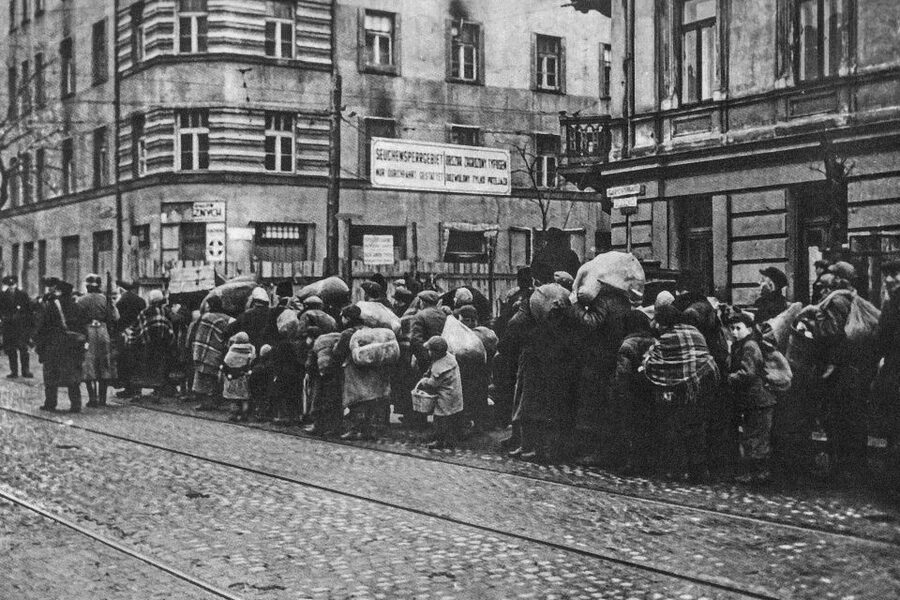
What makes this tour interesting is that it tracks World War II history through the actual street layout. You do not just read about the ghetto, you follow the logic of where people were pushed, trapped, and eventually sent away. Licensed guides keep the story grounded, and I especially love the clear route from ghetto boundaries to Umschlagplatz.
I also like how the options let you match your time to your interest. On the 5-hour version, you get skip-the-line entry to POLIN Museum, which is a smart way to spend your energy inside the exhibits, not in ticket chaos. One guide name that shows up in praise is Iwona, noted for strong language skills and explanations that land well.
A possible drawback is that the 2-hour tour does not include Jewish Cemetery or POLIN Museum admission. If you want both, plan on choosing the 3- or 5-hour option, and keep in mind the cemetery is reached via public transport.
Key things you will notice on this tour
- Ghetto boundaries you can spot, including marker points tied to where people were forced to live.
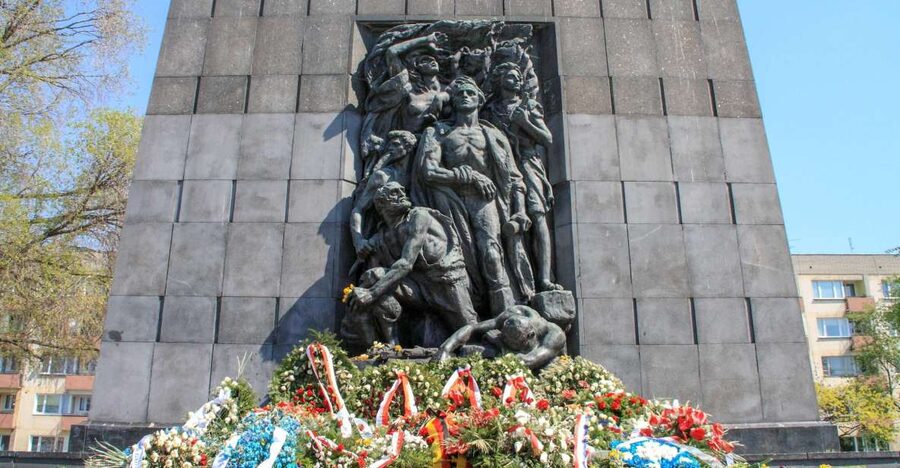
- Monuments with real names and dates, including the Warsaw Ghetto Uprising memorial.
- Mila 18 and the Anielewicz Mound, tied to Jewish resistance and hidden shelters.
- Umschlagplatz as the departure point, connected directly to transports to Treblinka.
- Muranów Jewish Cemetery, founded in 1809, and still one of the largest resting places in Europe.
- POLIN Museum skip-the-line tickets that reduce time at the ticket office, even though security still happens.
Following the story from ghetto boundaries to Umschlagplatz
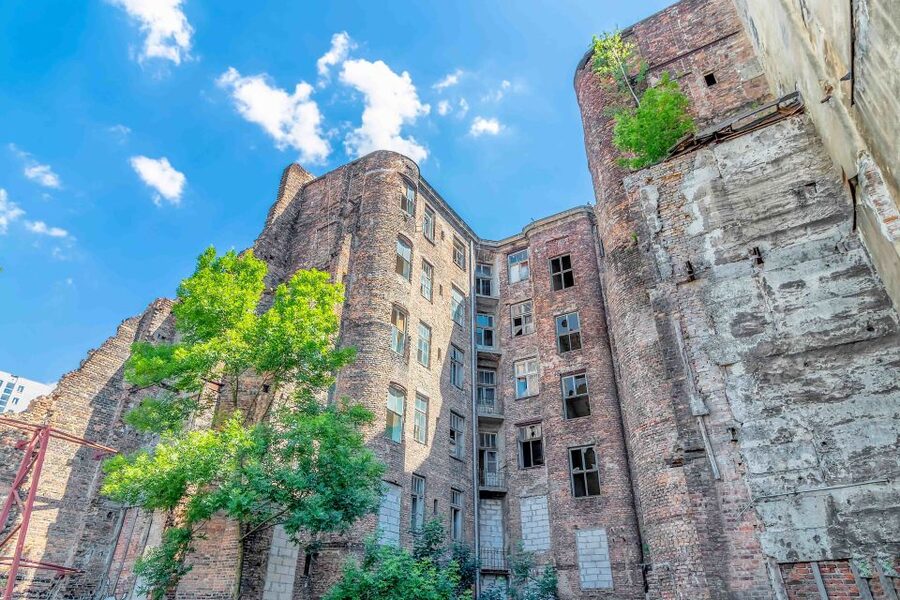
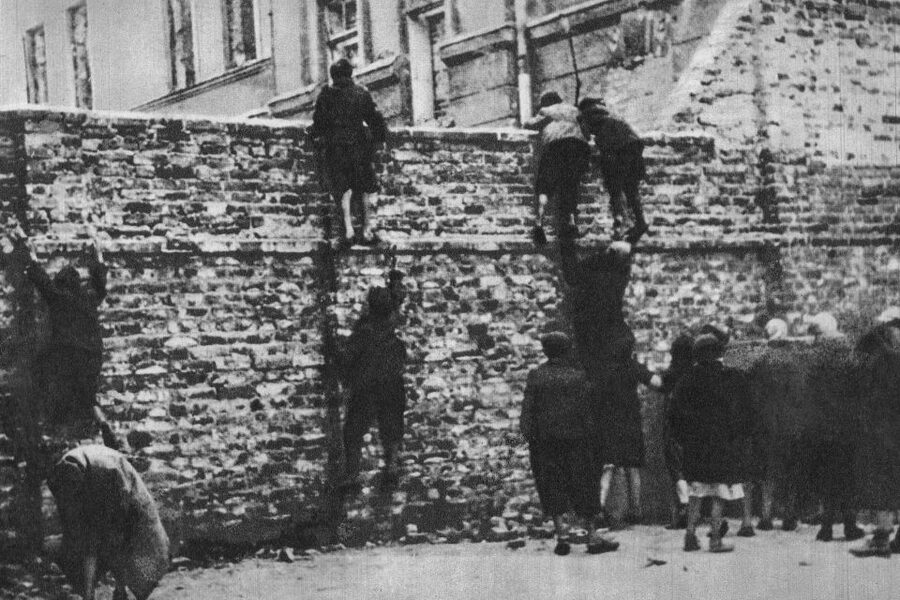
This is one of those Warsaw experiences where a guided route matters. The former ghetto area is spread out, and without a plan it is easy to miss what is in front of you. With a private guide, you move site to site and get the “why this matters” behind each stop, from persecution and daily life to the uprising and deportations.
The tour is built like a history timeline that you can walk. You start near the Field Cathedral of the Polish Army at Długa 13/15, then you shift from explanation to geography. That geography part is key. The Nazi ghetto was not an idea, it was an enforced boundary, and the tour helps you understand what that meant in real street terms.
This is also where I appreciate the private format. The guide is fluent in your chosen language (Spanish, English, French, German, Italian, Polish, or Russian), so you can ask the small questions that turn a lesson into understanding. One praised element from past groups is how guides use photos and street context to show places that are no longer standing, which helps you keep the mental map straight.
More POLIN Museum visits:
- Warsaw: POLIN Museum of the History of Polish Jews Ticket
★ 4.7 · 1,142 reviews - Skip-the-Line Polin Museum Warsaw Jewish History Tour
★ 5.0 · 14 reviews - Warsaw Uprising Museum (1944) + POLIN Museum : SMALL GROUP /inc. Pick-up/
★ 4.5 · 14 reviews
Starting at Długa 13/15, then reading Warsaw like a document
Your meeting point is very specific, next to the anchor monument in front of the main entrance to Katedra Polowa Wojska Polskiego (Field Cathedral of the Polish Army), at Długa 13/15. Starting there makes practical sense: it puts you close to the Old Town area and gives the guide a clean launch point.
One nice touch is that the tour offers pickup from accommodation in Old Town, but only within a 1.5 km radius of the meeting point. If your hotel is outside that range, you will meet the guide at the listed spot instead. That is worth checking early, because it affects how “easy” the tour feels on the day.
What you really gain at the start is orientation. The guide does not just recite dates. You get help connecting the story to the exact streets you are walking on. That matters in the former ghetto area, where today’s city can look normal on the surface even when the past was brutal and engineered.
The former Warsaw ghetto on foot, with boundary markers you can actually see
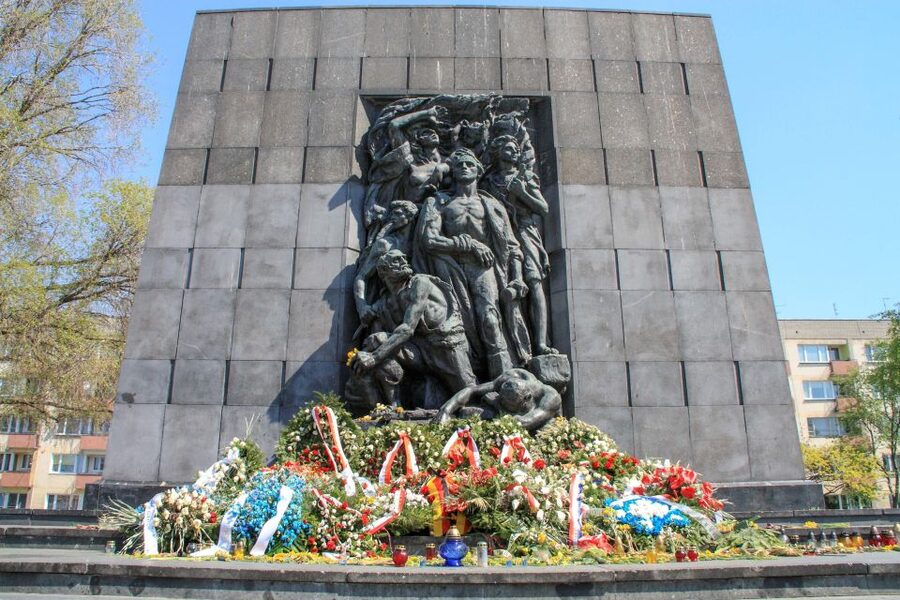
On the 2-hour option, the core is a walking tour of the former Warsaw Ghetto. The focus is on the traces of the ghetto and what still marks its footprint in the present-day city.
You will learn how the ghetto functioned as a forced prison within Warsaw, including the fact that more than 400,000 Jews from Warsaw and surrounding areas were imprisoned there, described as Europe’s largest ghetto. Hearing that number with the street layout in front of you makes it feel less abstract. It also gives the rest of the tour emotional gravity, because you start understanding scale, not just events.
A standout part here is the way boundary markers are treated as story anchors. You see the points where the ghetto boundary was defined, and you hear what the boundary meant day to day. This is where a skilled guide earns their fee, because the difference between “I saw a marker” and “I understand what that marker controlled” is the difference between tourism and learning.
Monument to the Ghetto Heroes, and the uprising that changed the world’s view
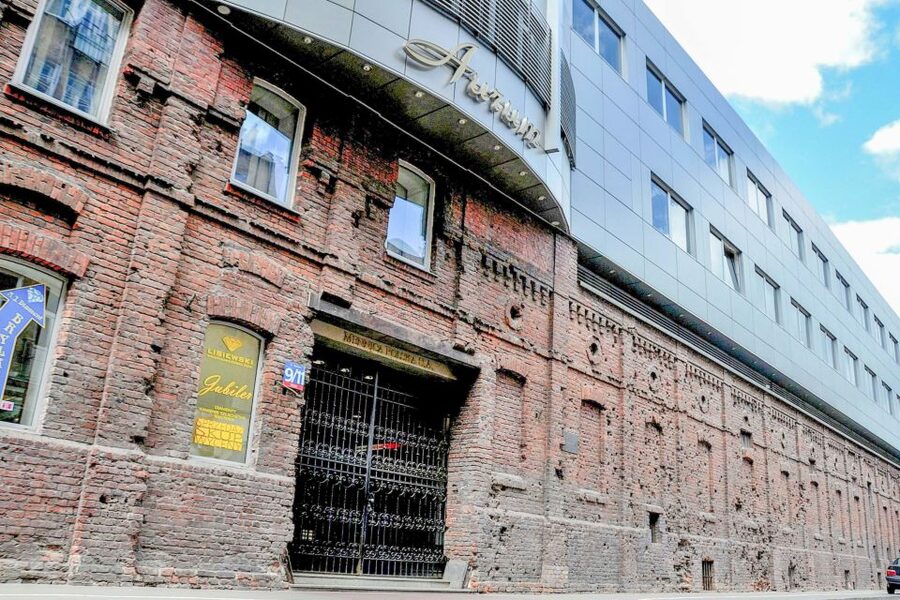
The tour includes the Monument to the Ghetto Heroes, a memorial to the 1943 Warsaw Ghetto Uprising. This is not a stop that feels like a quick photo and move on. The point is to connect the uprising to the wider story of persecution, despair, and resistance.
If you know nothing going in, the guide will give you the necessary context. If you know the basics, you will still benefit because the route and the monuments help you place the uprising in the city’s geography. That makes it easier to remember, and it also helps you connect emotional themes like rebellion and survival to specific locations.
This section is also where the guide’s language quality becomes obvious. One group noted excellent and understandable German, another noted strong French explanations. When you are dealing with heavy material, clarity is not optional. You want the guide to make the story follow logically, so you can keep up without mentally tuning out.
More Jewish heritage walks in Warsaw:
- Warsaw: Warsaw Ghetto Private Walking Tour with Hotel Pickup
★ 4.9 · 369 reviews - Warsaw: Jewish History Guided Walking Tour in English
★ 4.7 · 324 reviews - Private Tour: Warsaw’s Jewish Heritage by Retro Fiat
★ 5.0 · 208 reviews - Warsaw: Jewish Heritage & Holocaust Walking Tour
★ 4.7 · 119 reviews
Mila 18 and the Anielewicz Mound, a place of hidden resistance
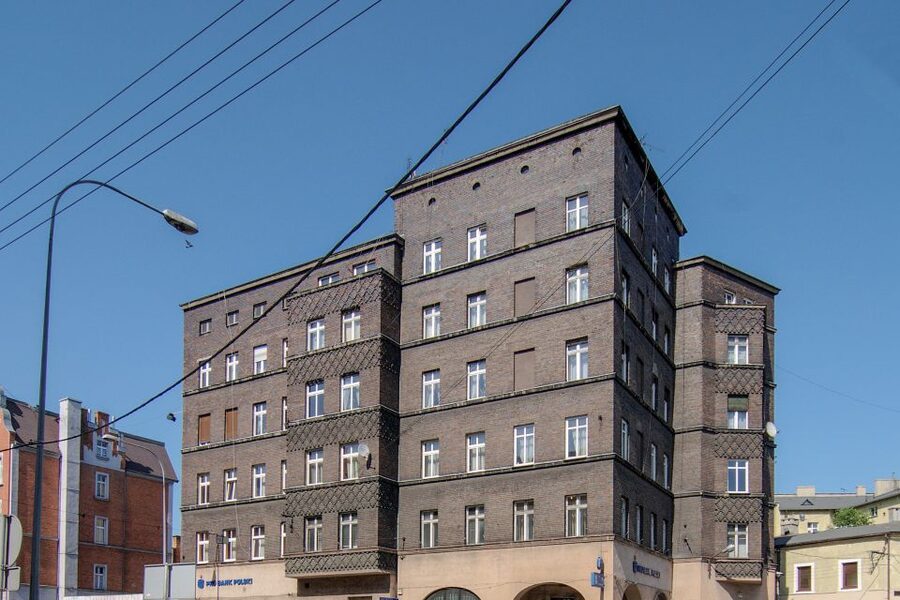
Another important stop is the Anielewicz Mound at Mila 18. This site is described as a hidden shelter used by a Jewish resistance group. The “hidden shelter” detail matters, because it reframes how you think about what people could do under terror and constant threat.
What I like about this part of the tour is that it adds balance. The ghetto story includes hunger, disease, and death, but it also includes heroism and rebellion. The guide aims to keep both sides present, not by glossing over tragedy, but by showing that resistance and courage existed even inside a system designed to crush human life.
You will likely notice how the guide uses the surroundings and any available visuals to help you picture what you cannot see today. That technique helps you avoid the common mistake of treating the past as if it were only what is left standing.
Umschlagplatz, the departure point for Treblinka transports
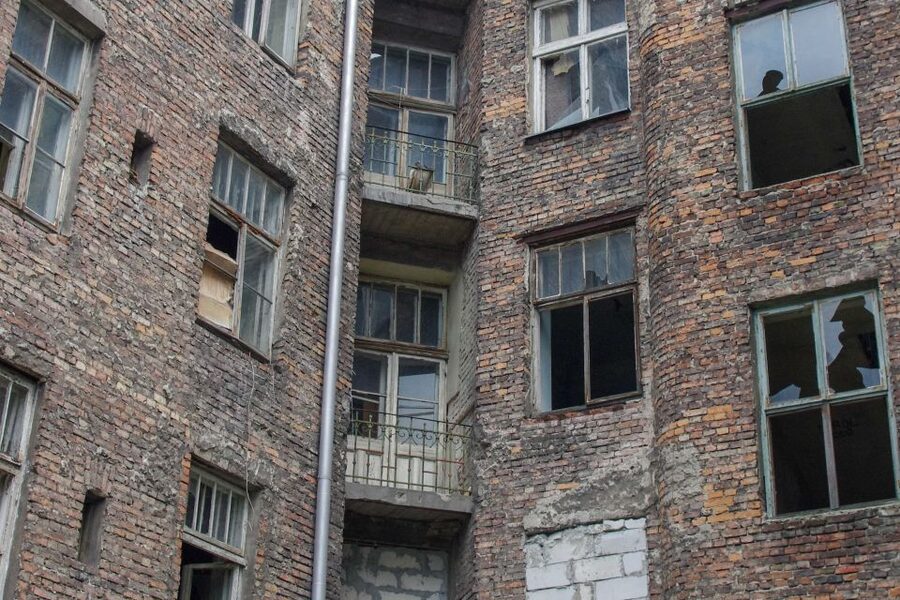
The walking tour ends at Umschlagplatz Monument, which marks the departure point for Jews transported to Treblinka Concentration Camp. The tour connects this site to the fact that more than 300,000 Jewish people died there, emphasizing how mass deportation was carried out.
This stop has a strong effect because it is a place where the story turns from forced confinement to forced disappearance. Even if you have read about the Holocaust before, seeing the route that leads to this specific point gives you a sense of how the machinery of deportation worked in the city.
I also think this is a good moment to slow down. The guide typically explains it in a way that helps you understand process, not just tragedy. Once you know the “what happened next” tied to this location, the rest of the tour you might do later in Warsaw (like POLIN Museum) clicks into place more easily.
Adding the Muranów Jewish Cemetery in the 3-hour option
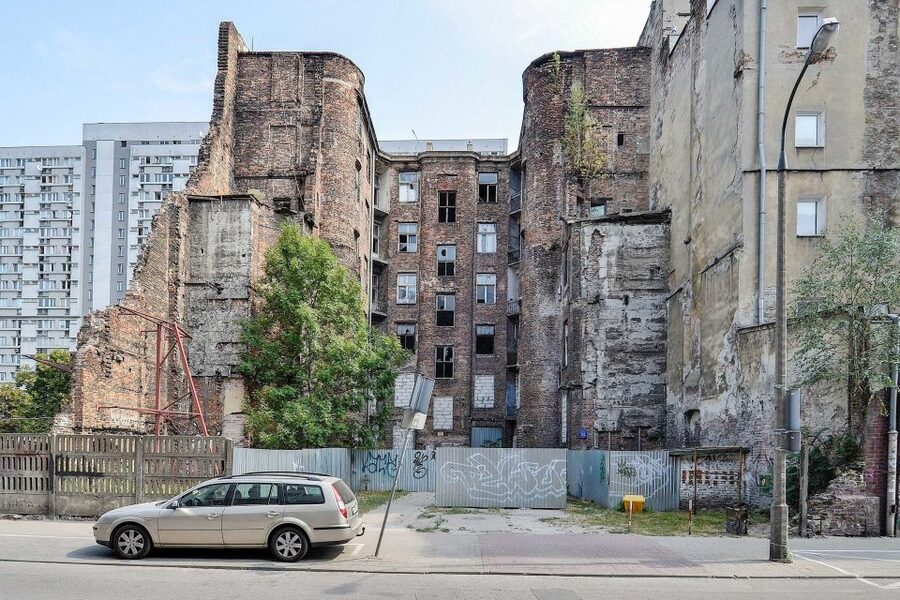
If you choose the 3-hour tour, you add a visit to the old Jewish Cemetery in Moranow (spelled Muranów in common Polish usage). This extension changes the pace. You move from street markers and monuments into a space of names, family lines, and memorial geography.
This cemetery was established in 1809 and is described as one of the largest ones in Europe. The tour notes it is the resting place for over 200,000 people. Walking through a cemetery like this under guidance helps you avoid the feeling that you are looking at “just graves.” Instead, the guide points out graves of spiritual leaders, political activists, creators of Jewish culture, and thousands of nameless victims from World War II.
One very practical detail is that the operator provides public transport tickets to reach the cemetery, because it sits outside the city center. That matters. It prevents a common tour problem where half your time disappears in transit and you arrive rushed or tired.
There is also an emotional and educational value here. The ghetto story shows the mechanism of persecution. The cemetery anchors that story in individuals and in cultural continuity, because you see memorials tied to community leadership and everyday lives.
POLIN Museum on the 5-hour tour, what skip-the-line actually helps with
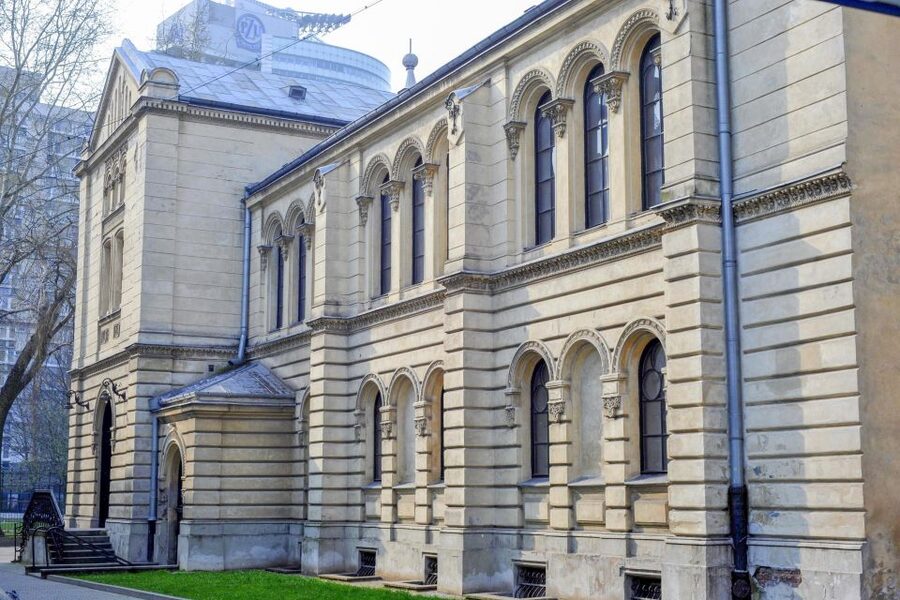
On the 5-hour tour, you get the full combo: Warsaw ghetto sites, the Muranów cemetery, and the POLIN Museum of the History of Polish Jews. POLIN is described as a modern museum that helps you understand Polish Jews before, during, and after the war, including culture and heritage.
The big time-saver is the included skip-the-line ticket for POLIN. It is worth understanding the fine print in practical terms: the tickets skip the line at the ticket office, but you still handle entry and security checks at the entrance. So yes, you save time, but you do not remove all waiting.
POLIN entry covered by this option includes the main exhibition, an ongoing temporary exhibition, and the Heritage Gallery. That coverage matters because it shapes what you can realistically see in a half-day window. You are not just doing one room and leaving. You get a fuller museum picture without needing to manage every detail yourself.
This is also where your guide can add real value. Even with a great museum, a guide can help you decide what to focus on and how the museum’s themes connect back to what you just walked through outside. In a short time window, that kind of connection improves retention.
Price and value at around $112 per person
The price listed is $112 per person, and the value changes depending on which duration you pick. Here is the practical way to judge it.
If you choose the 2-hour option, you are paying for a private walking tour of key ghetto sites, with the educational depth that usually costs more than a self-guided loop. The tradeoff is that cemetery and POLIN Museum admission are not included, so you will likely pay extra if you want those.
If you choose the 3-hour option, you add the cemetery visit. The tour includes cemetery entry plus a one-way public transport ticket to get there. For many people, that turns the experience from “important walk” into a more complete memorial journey.
If you choose the 5-hour option, you are paying for the highest-intensity mix: ghetto sites, cemetery, and POLIN Museum, plus skip-the-line tickets for the museum’s ticket office. For many visitors, that is the most efficient choice because it strings together the story in the right order: forced confinement and persecution, then memorial space, then a modern museum interpretation of Polish Jewish life across time.
Who this tour fits best in Warsaw
This tour fits best if you want more than a quick look at plaques. It is designed for people who like context, who want clear explanations in their language, and who do not want to wrestle with logistics while holding serious subject matter.
It is also a strong choice for first-time Warsaw visitors who want the ghetto story done respectfully and with structure. And it suits history-minded travelers who like connecting monuments to how the city actually works.
If you only have a short window and want the ghetto walk, the 2-hour option works. If you want a fuller experience that includes a major memorial site and POLIN, the 3-hour or 5-hour options make more sense. I would especially lean toward the 5-hour version if POLIN is on your “must see” list.
Final thoughts, should you book this private tour?
If your priority is clarity and a guided route through heavy history, this private format is a good match. You get a licensed guide fluent in your language, a structured walk that ends at the key deportation-site monument, and optional add-ons that cover both the cemetery and POLIN Museum.
I would book it when you want to learn without spending your energy on figuring out what to see and how it connects. I would choose the 3-hour or 5-hour option if you care about the cemetery and POLIN Museum. Pick the 2-hour option only if you are comfortable funding those extra admissions yourself and you want to keep things focused.
FAQ
What are the tour duration options?
The tour offers options ranging from 2 to 5 hours, with different combinations of ghetto sites, the Jewish Cemetery, and POLIN Museum depending on the selected length.
Is Jewish Cemetery entry included in the 2-hour tour?
No. Jewish Cemetery entry fees are included only for the 3-hour and 5-hour options. The 2-hour option does not include cemetery admission.
Is POLIN Museum skip-the-line included on all tour lengths?
No. Skip-the-line tickets to POLIN Museum are included only on the 5-hour tour option.
Where do I meet the guide?
Meet your guide next to the anchor monument in front of the main entrance to Katedra Polowa Wojska Polskiego (Field Cathedral of the Polish Army), Długa 13/15, 00-238 Warsaw.
Do you offer pickup from my hotel?
Pickup is available only for accommodations in Old Town, and only within 1.5 km from the meeting point. If you are outside that area, you meet at the listed location.
How do I get to the Jewish Cemetery?
For the 3-hour and 5-hour options, the tour provides tickets for public transport so you do not have to walk a long distance to reach the cemetery.
Does skip-the-line mean I skip security checks?
Skip-the-line here means you skip the line at the ticket office, but not at the entrance and security checks.
What languages are available for the live guide?
The live guide is available in Spanish, English, French, German, Italian, Polish, and Russian.
More Museums in Warsaw
- Warsaw: Polish Vodka Museum Tour with Tasting
★ 4.6 · 788 reviews - World of Illusion Museum Skip-the-Line Ticket
★ 4.0 · 55 reviews - Warsaw: Cold War Museum Entry Ticket
★ 4.6 · 55 reviews - Daily live piano Chopin’s concerts at 6:30 pm in the Warsaw Archdiocese Museum
★ 4.5 · 25 reviews
Recently added in Warsaw
- World War II Warsaw Old Town, Military Cemetery Walking Tour★ 4.7 · 3 reviews
- Warsaw: Wolf’s Lair & Swieta Lipka Small-Group Tour + Lunch★ 5.0 · 3 reviews
- Warsaw Wolf’s Lair with St. Lipka and Mamerki Private Guided★ 4.2 · 3 reviews
- Warsaw Zoo Skip-the-Line Entry Ticket with Private Transport★ 4.8 · 3 reviews
- Warsaw: Vodka Tour★ 4.4 · 18 reviews
- Wilanów Palace: 2-Hour Guided Tour with Entrance Tickets★ 4.8 · 8 reviews
- Warsaw Uprising and WWII Old Town Walking Tour with Museum★ 4.7 · 15 reviews
- Warsaw: Private Vodka Tasting Night with Snacks and Pickup★ 5.0 · 7 reviews
Other POLIN Museum Visits
POLIN Museum of the History of Polish Jews Ticket
Read our review →
Warsaw Uprising Museum (1944) + POLIN Museum : SMALL GROUP /inc. Pick-up/
Read our review →
Skip-the-Line Polin Museum Warsaw Jewish History Tour
Read our review →
POLIN Museum of the History of Polish Jews : SMALL GROUP /inc. Pick-up/
Read our review →
Warsaw Uprising Museum (1944) + POLIN Museum: PRIVATE TOUR /inc. Pick-up/
Read our review →Skip-the-Line Polin Museum Warsaw Jewish History Tour
Read our review →Browse the lists this tour appears in