

Reviewed · WARSAW UPRISING & WWII HISTORY
World War II Warsaw Old Town, Military Cemetery Walking Tour
This tour is interesting because it turns Warsaw Old Town, the rebuilt showpiece you see on postcards, into a map of what happened here during World War II. You’ll walk with a licensed local guide who uses clear facts plus human stories to explain German occupation and the Warsaw Uprising, then you’ll see how the city remembers. I especially like the focus on specific sites like the Warsaw Uprising Monument and the Warsaw Ghetto boundary markers. One drawback to plan for: the subject matter is heavy and you’ll be visiting real memorials, so expect an emotional, reflective pace.
Two things I like: you get a strong narrative from your private, licensed guide, and the route is built around locations tied to real events, not just general background. As a bonus, the 4-hour option adds Powązki Military Cemetery and the Military Museum so the story doesn’t end with the Old Town walls.
The main consideration is timing. The 2-hour option stays in the Old Town and does not include Powązki, so if you want the cemetery and museum side, you’ll need the longer version.
Key highlights worth planning around
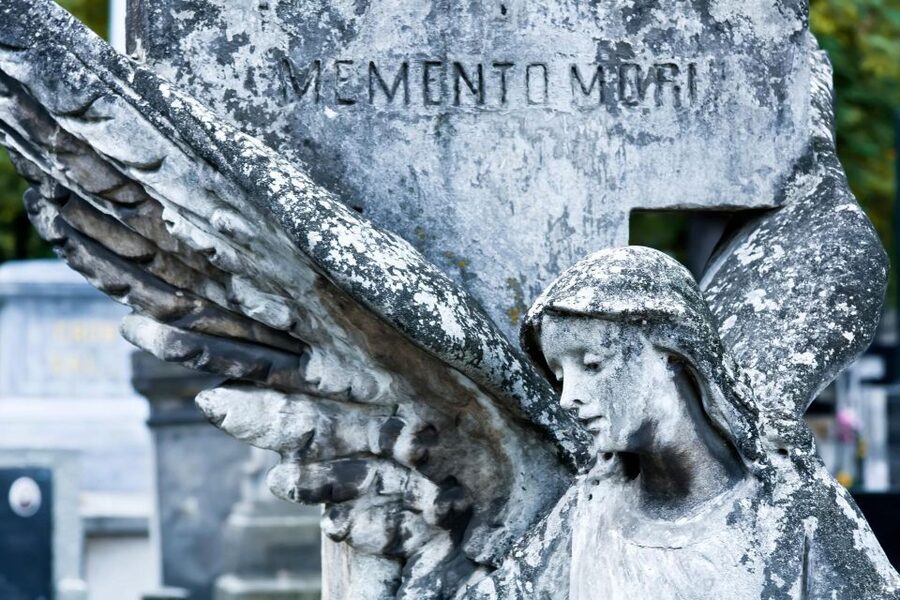
- Warsaw Old Town’s WWII story, told starting at the Warsaw Mermaid meeting point and moving toward key Old Town memorials
- Warsaw Uprising focus, including the monument connected to General Tadeusz Komorowski
- Warsaw Ghetto boundary markers, a visible way to understand where the ghetto stood during the war
- Symbolic moments, including time to pay respects at the Tomb of an Unknown Soldier
- Powązki Military Cemetery option (4 hours) with public transport included and free museum entry
World War II in a rebuilt neighborhood: how the story is told
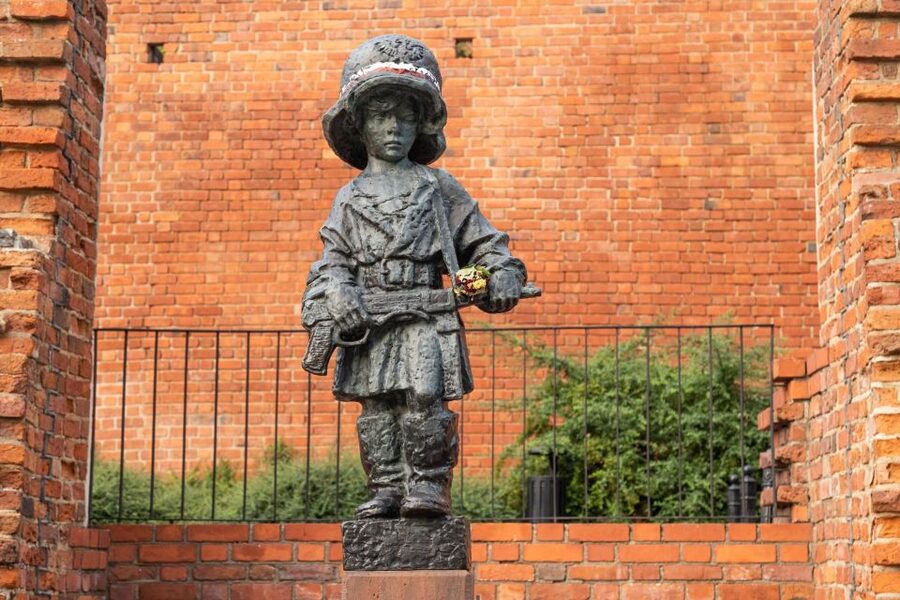
Warsaw’s Old Town can look like pure history theater at first glance, restored to a beautiful condition after the devastation of World War II. What I like about this walking tour is that it refuses to let you stay in the surface layer. Your guide connects the rebuilt streets and landmarks to what the occupation and uprising meant in real life.
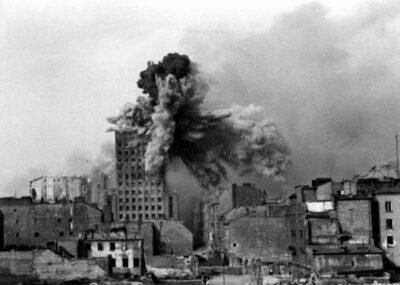
The tour frames the war in a straightforward way: the German occupation of Poland, the Nazi regime, Adolf Hitler’s role, and the way violence and control reshaped everyday existence in Warsaw. From there, the story moves forward into the Warsaw Rising of August 1944, so you can follow how the city’s destruction and liberation unfolded.
Because it is private, you can ask your guide questions as you go. That matters here. When the topic is occupation, resistance, spies, and everyday heroes, you want to be able to slow down and clarify what you are seeing.
More Warsaw Uprising and WWII history walks:
- World War 2 in Warsaw walking tour in English
★ 4.7 · 237 reviews - Warsaw for WWII Buffs – private tour with hotel pickup
★ 5.0 · 166 reviews - Warsaw Uprising Museum (1944) : PRIVATE SERVICE /inc. Pick-up/
★ 4.5 · 18 reviews
Starting point by the Warsaw Mermaid, then into the Old Town’s center
You meet your guide next to the Warsaw Mermaid, Pomnik Syrenki, at Rynek Starego Miasta 18i, 00-272 Warsaw. It’s a handy landmark because it pulls you into the Old Town area immediately, and it avoids that awkward moment of trying to find a guide in the crowd.
From there, your walk heads toward the Old Town core, including the Market Square area, which was completely destroyed during the fight for liberation from German occupation. That detail matters. When you stand where the square used to be, you get a concrete sense of what was lost, even if today’s stones look calm and intact.
A practical note: if your hotel is more than 1.5 km away from the meeting point, the guide will meet you at the Mermaid location instead. And pickup is available only for accommodations or hotels in Warsaw Old Town. If you’re staying just outside the Old Town boundaries, plan to meet at the official start point.
Market Square and the start of the WWII narrative
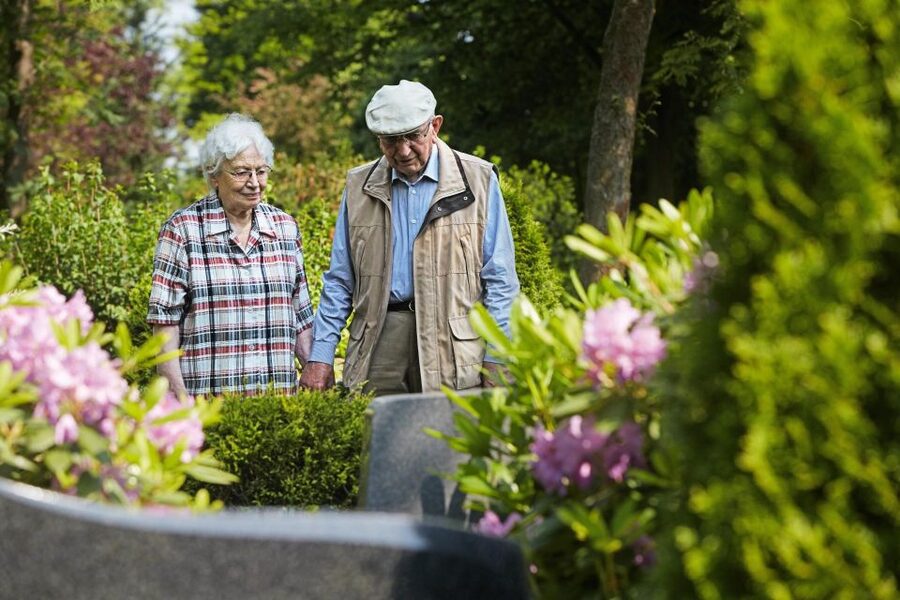
The tour’s tone is set early, with a pivot from “pretty rebuilt Warsaw” to “this is what was targeted.” At the Market Square, you’ll get the context for why Warsaw became a focal point of Nazi control and resistance.
I like this opening because it gives you a timeline anchor. Many WWII walking tours in Europe bounce between dates and names with no steady backbone. Here, the guide’s commentary helps connect the occupation phase to later events, including what led to the Warsaw Rising.
You’ll also hear about how Warsaw’s resistance network functioned in practice. Instead of only talking about big leaders, your guide points out underground movement, spies, and the kinds of everyday choices people had to make. It makes the uprising feel less like a distant legend and more like a chain of human decisions.
Warsaw Uprising Monument and the story of Tadeusz Komorowski

One of the strongest stops is the Warsaw Uprising Monument. It commemorates the sacrifice of anti-Nazi resistance fighters, including General Tadeusz Komorowski. Even if you already know the uprising at a headline level, I think you’ll appreciate how the guide ties the memorial to the people behind it.
This is where the tour becomes more than history. You’re standing at a place designed to keep memory in the public space, and your guide explains what that remembrance is trying to do. It’s not just about victory or defeat. It’s about the cost, the intention, and the sheer scale of what Warsaw experienced.
If you want a practical way to experience this stop, slow your pace slightly. Read what’s there, then listen. Your guide’s job is to put the words and symbols into plain language, so you don’t have to be a WWII expert walking in.
More Old Town walking tours in Warsaw:
- Warsaw: Old Town Highlights Walking Tour in English
★ 4.7 · 1,516 reviews - Warsaw: Old Town Guided Walking Tour
★ 4.9 · 599 reviews - Old Town Warsaw Walking Tour
★ 4.5 · 333 reviews - Warsaw Old Town 1.5-Hour or Full 3-Hour Segway Tour
★ 4.9 · 209 reviews
Following Warsaw Rising footsteps: underground resistance and everyday heroes

The tour doesn’t treat the Warsaw Rising as one dramatic moment. It treats it as the result of months and years of pressure, underground work, and survival.
You’ll hear about the underground movement and the presence of spies. That part is valuable because it shows how resistance could operate even when the city was under tight control. Your guide also highlights “everyday heroes,” which I find helps people connect with the story. It keeps the narrative from becoming only about formal ranks and famous names.
The pace here is key. You’ll likely spend time letting the story land, then continuing to the next marker. If you rush, you’ll miss how the guide repeatedly connects the war to the street layout and the preserved memory points.
Warsaw Ghetto boundary markers: where confinement became a lived reality
One of the most sobering aspects of this walk is passing by the former boundary markers of the Warsaw Ghetto. The guide explains how this ghetto was one of the largest Nazi ghettos during World War II, and it also connects those boundaries to the uprising inside the ghetto.
What I like about including boundary markers is that they turn an idea into a spatial reality. Instead of thinking only in numbers, you can start to imagine where movement was blocked and how daily life changed because of borders drawn by the occupiers.
Your guide also ties in the ghetto uprising, so you see a continuity between resistance efforts in different parts of Warsaw. That connection helps a lot if you want your understanding to be coherent, not fragmented into separate chapters.
Tomb of an Unknown Soldier: a symbolic way to close the Old Town portion

By the time you reach the Tomb of an Unknown Soldier, the tour has built enough context that this stop lands in a meaningful way. You’ll have the opportunity to pay your respects at the symbolic site.
This is where the guide shifts slightly from “events and locations” to “memory and meaning.” Even if you don’t plan to read everything on the spot, take a moment here. It’s a good reset after intense history, and it keeps the tour grounded in the human impact.
If you’re doing only the 2-hour option, this stop helps provide closure for the Old Town segment. If you’re doing the 4-hour option, it’s still a meaningful moment because you’re about to continue to Powązki.
The 4-hour upgrade: Powązki Military Cemetery and the Military Museum
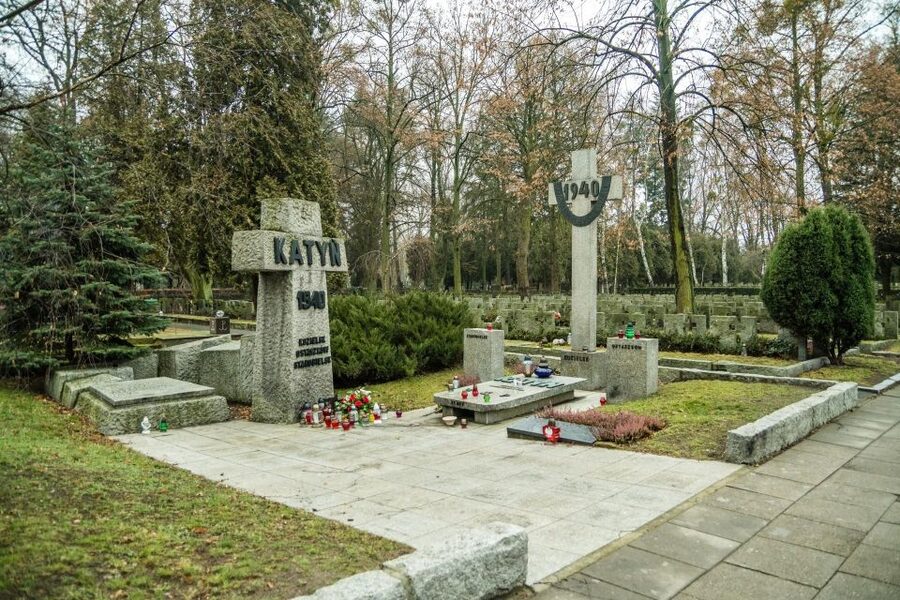
If you choose the 4-hour version, the tour adds Powązki Military Cemetery and the Military Museum in Powązki. This second half is a smart choice because it moves from the uprising narrative and occupation timeline into the long, physical presence of remembrance.
You get two-way public transport tickets to reach the cemetery, and free entry to the Military Museum. That convenience matters. Powązki is not just “nearby,” and the transport inclusion saves you from figuring it out with limited time.
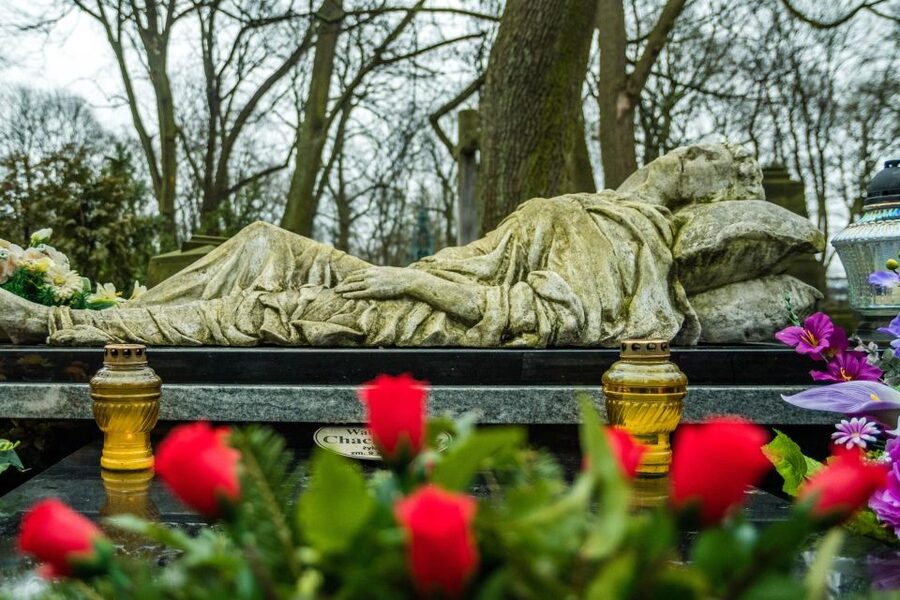
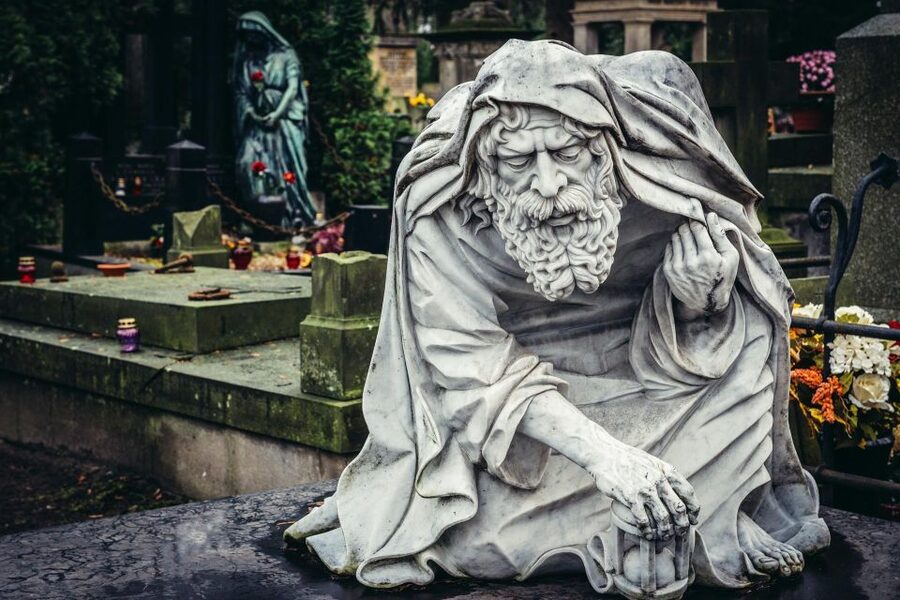
At the cemetery, you’ll honor members of the Polish military, including many World War II heroes buried there. I like this part because it gives a different kind of perspective. Old Town memorials focus on events and resistance. Powązki focuses on the people who survived, served, died, and became part of Poland’s military memory.
The museum stop is also valuable because it adds context you might not get from outdoor memorials alone. The tour includes expert commentary, and the museum gives you a chance to slow down and look at material information at your own pace.
Price and value: what $112 buys you in real terms
The price is listed as $112 per person, and the duration runs from 2 to 4 hours depending on your option. In practical value terms, I think the best part of paying this rate is the pairing of a private, licensed guide with concentrated storytelling in a short window.
You’re not just buying access to sights. You’re buying guided interpretation for places that can be confusing if you only skim signs. When the subject includes occupation history, uprisings, and ghetto boundaries, the difference between reading alone and having a guide explain what you’re seeing is huge.
The 4-hour option is especially good value if Powązki matters to you. You get transport tickets, free entry to the museum, and a guided cemetery experience in the same block of time. If you choose the 2-hour option, remember Powązki is not included, so you’re paying for Old Town interpretation only.
Also, the tour is private. That usually means fewer compromises in pace and more chance to ask follow-ups as the guide connects one stop to the next.
Choosing between 2 and 4 hours without second-guessing
Pick the 2-hour tour if you want the core Old Town WWII trail: occupation context, the Warsaw Rising narrative, Warsaw Ghetto boundary markers, and a symbolic stop at the Tomb of an Unknown Soldier.
Pick the 4-hour tour if you want the full arc, including Powązki Military Cemetery and the Military Museum in Powązki. The added time is worth it if you like going beyond street-level memorials and into a more structured museum setting.
Either way, you’ll be walking with a fluent licensed guide in your chosen language, and your language options include German, English, French, Italian, Spanish, Russian, and Polish.
If you’re sensitive to heavier sites, consider taking a short break afterward. Even when the guide keeps things clear and respectful, you’re still processing real wartime trauma.
Who this tour fits best (and who might want a different format)
This tour fits best if you want a guided WWII story in the exact places where Warsaw remembers it. It’s also a good fit if you enjoy when history is explained through names, decisions, and cause-and-effect, not just dates.
I’d particularly recommend it if you like getting the human angle on resistance work, including spies, underground networks, and everyday heroes. This tour keeps returning to those ideas as you move between memorials.
If you want purely panoramic, light sightseeing, this is probably not your best match. The tour is built around occupation, destruction, ghetto confinement, and uprisings, so it’s meant to be reflective.
Final call: should you book this WWII Warsaw Old Town and cemetery walk?
Yes, if you want a focused, private WWII walking experience that treats Warsaw Old Town as a living record of occupation and resistance. The strongest reason to book is the way the tour connects specific locations to the larger story of the German occupation and the Warsaw Rising, then adds remembrance through Warsaw Ghetto boundary markers and the Powązki cemetery option.
Book the 4-hour version if you can spare the time and you want the cemetery plus the Military Museum. Book the 2-hour version if you’re short on time but still want the Old Town core memorial path.
If you’re choosing between “just photos” and “understanding what you’re looking at,” this is the option that delivers.
FAQ
How long is the WWII walking tour in Warsaw Old Town?
The tour is offered in durations from 2 to 4 hours, depending on the option you choose.
Where do I meet the guide?
Meet your guide next to the Warsaw Mermaid, Pomnik Syrenki, at Rynek Starego Miasta 18i, 00-272 Warsaw.
Is pickup included?
Pickup is available for accommodations or hotels located in Warsaw Old Town. If your address is more than 1.5 km away from the meeting point, the guide will meet you next to the Warsaw Mermaid.
What is included in the 2-hour version?
The 2-hour tour is a walking tour focused on WWII memorial sites in Warsaw Old Town. The Powązki Military Cemetery is not included in the 2-hour option.
What does the 4-hour version add?
The 4-hour tour adds travel to the Powązki Military Cemetery, includes two-way public transport tickets, and provides free entry to the Military Museum in Powązki.
Are public transport tickets included?
Public transport tickets are included for the 4-hour tour to get to Powązki, so you do not have to walk all the way.
Is this a private tour?
Yes, it is a private group tour.
What languages are available?
The live guide is available in German, English, French, Italian, Spanish, Russian, and Polish.
What should I do before the tour?
Check your email the day before the tour for important information.
More Walking Tours in Warsaw
- Half-Day Polish Food Walking Tour with Guide and Dinner
★ 4.5 · 381 reviews - Warsaw: Warsaw Ghetto Private Walking Tour with Hotel Pickup
★ 4.9 · 369 reviews - Warsaw: Jewish History Guided Walking Tour in English
★ 4.7 · 324 reviews - Warsaw: Jewish Heritage & Holocaust Walking Tour
★ 4.7 · 119 reviews
Recently added in Warsaw
- Warsaw: Wolf’s Lair & Swieta Lipka Small-Group Tour + Lunch★ 5.0 · 3 reviews
- Warsaw Zoo Skip-the-Line Entry Ticket with Private Transport★ 4.8 · 3 reviews
- Warsaw Wolf’s Lair with St. Lipka and Mamerki Private Guided★ 4.2 · 3 reviews
- Warsaw: Vodka Tour★ 4.4 · 18 reviews
- Wilanów Palace: 2-Hour Guided Tour with Entrance Tickets★ 4.8 · 8 reviews
- Warsaw Uprising and WWII Old Town Walking Tour with Museum★ 4.7 · 15 reviews
- Warsaw: Private Vodka Tasting Night with Snacks and Pickup★ 5.0 · 7 reviews
- Warsaw Old Town UNESCO HERITAGE walking tour in English★ 4.5 · 23 reviews
Other Warsaw Uprising & WWII History Tours

Warsaw for WWII Buffs – private tour with hotel pickup
Read our review →
Warsaw Uprising Museum (1944) : PRIVATE SERVICE /inc. Pick-up/
Read our review →
Warsaw Uprising and WWII Old Town Walking Tour with Museum
Read our review →
Warsaw Uprising Museum (1944) + POLIN Museum : SMALL GROUP /inc. Pick-up/
Read our review →
WWII Private Tour by Retro Minibus with Hotel Pickup
Read our review →
Warsaw Uprising Museum (1944) + POLIN Museum: PRIVATE TOUR /inc. Pick-up/
Read our review →Browse the lists this tour appears in