

Reviewed · POLIN MUSEUM
Skip-the-Line Polin Museum Warsaw Jewish History Tour
This tour is interesting because it connects POLIN Museum storytelling with real surviving sights from the Warsaw Ghetto, so history feels both explained and physical. I especially like the way the museum lays out the big picture of Polish Jewish life in a clear timeline, and I like that you also walk through the ghetto area with focused stops like the cemetery and a fragment of wall.
One thing to consider: the pace is guided, and what you see depends on the length you choose. On the shorter option, you may miss the Warsaw ghetto walking portion altogether, so check the duration that matches your goals.
Key things to know before you go

- Skip-the-line POLIN Museum tickets help you jump the ticket office, but not the entrance and security checks
- A licensed English-speaking guide keeps the story tight, clear, and question-friendly
- Cemetery highlights include the scenic old grounds and the symbolic grave of Janusz Korczak
- A fragment of ghetto wall stop lets you get a rare sense of scale and what it meant to be trapped
- Synagogue visit is possible at Nozyk Synagogue, but entry is request-based and not included
- Your route changes with tour length, so match the option to whether you want the street walk
How This Warsaw Jewish History Tour Fits Together

This is not just a museum ticket plus a quick stroll. It is built like a guided story arc, with Warsaw’s WWII-era reality alongside the museum’s broader historical framing. You start with major landmarks, then move into ghetto memory sites, then land at POLIN for the main deep explanation.
You are guided the whole way, which matters because the signs, symbols, and layers can be hard to piece together on your own. A good guide helps you see what is worth your attention, and it keeps the day from turning into a blur of “I saw things.”
Expect a walking route with short stops, so you get context without needing a full day of stamina. The trade-off is time. Even with a thoughtful guide, you will have to accept that you cannot linger everywhere the way you might like.
More POLIN Museum visits:
- Warsaw: POLIN Museum of the History of Polish Jews Ticket
★ 4.7 · 1,142 reviews - Warsaw: Ghetto, Jewish Cemetery & POLIN Museum Private Tour
★ 4.8 · 132 reviews - Warsaw Uprising Museum (1944) + POLIN Museum : SMALL GROUP /inc. Pick-up/
★ 4.5 · 14 reviews
Price, Time, and What You Really Get
The price is listed as $167.97 per person, with a tour duration ranging from about 2 to 4 hours. That range is the key to understanding value. The longer option adds more ghetto-area walking and more stops, so it is usually the better fit if you want the street-level portion to feel complete.
Also consider that museum entry is included for POLIN when you select the museum portion. On top of that, you get skip-the-line tickets to the POLIN Museum, which mainly saves time at the ticket office. If you have ever arrived at a major museum and lost 20 to 30 minutes to a line, you know why that small shortcut can matter.
One more value point is that this is a private tour for your group only. You are not squeezed into someone else’s pacing, and you can ask follow-up questions as the guide points out details in the exhibitions and along the route.
Meeting Point, Timing, and Getting Around on Your Own Plan
You meet at Ludwika Zamenhofa 11 in Warsaw. The tour ends in a different location, so do not plan on catching a tight train right at the finish without a buffer.
The tour is offered in English, and you should get confirmation at booking time. They also note that you will check your email the day before for important information, so keep an eye out for that message.
It is also described as near public transportation. Translation: if you want to arrive early, you can usually get there without a private car. And if you get delayed, you can often recover by using public transit rather than trying to “race” the schedule with taxis.
Palace of Culture and Science: Starting With Warsaw’s Big Landmark
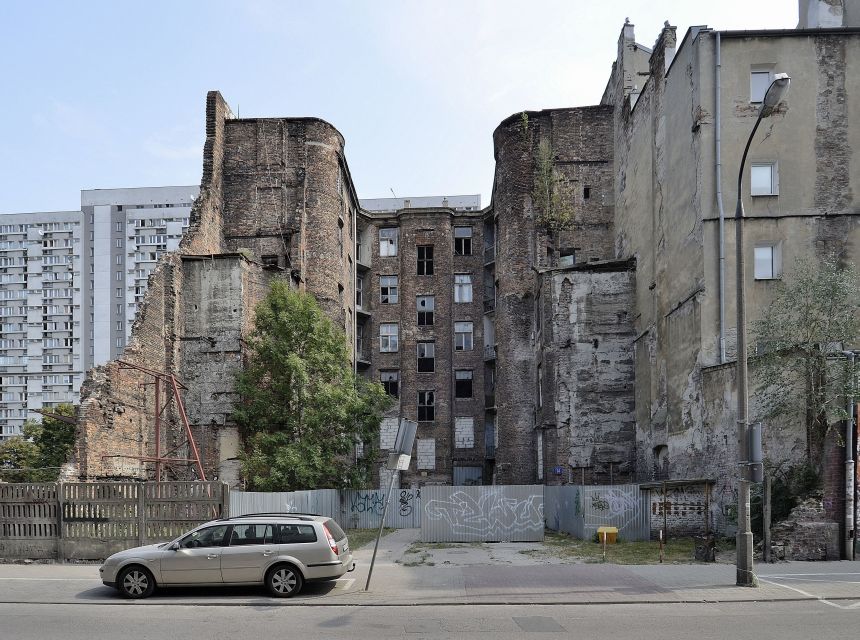
Your first stop is the Palace of Culture and Science, the tall, iconic building that can feel like a symbol of modern Warsaw from the outside. Even when you are not going inside, it is a useful starting point because it anchors you in the city’s scale and architecture.
You get a quick look at the building’s presence in Warsaw, and that helps the rest of the route land better. Later, you will be thinking about confinement and displacement, and starting with a monumental landmark gives contrast you can feel right away.
Admission at this stop is listed as free, so you are not dealing with another ticket hurdle at the beginning. The bigger advantage here is momentum. You start moving, you get oriented, and then you head into the memory-focused stops.
More Jewish heritage walks in Warsaw:
- Warsaw: Warsaw Ghetto Private Walking Tour with Hotel Pickup
★ 4.9 · 369 reviews - Warsaw: Jewish History Guided Walking Tour in English
★ 4.7 · 324 reviews - Private Tour: Warsaw’s Jewish Heritage by Retro Fiat
★ 5.0 · 208 reviews - Tour of the Warsaw Ghetto
★ 5.0 · 119 reviews
Powerful Memory Stops: Monument and the Old Jewish Cemetery
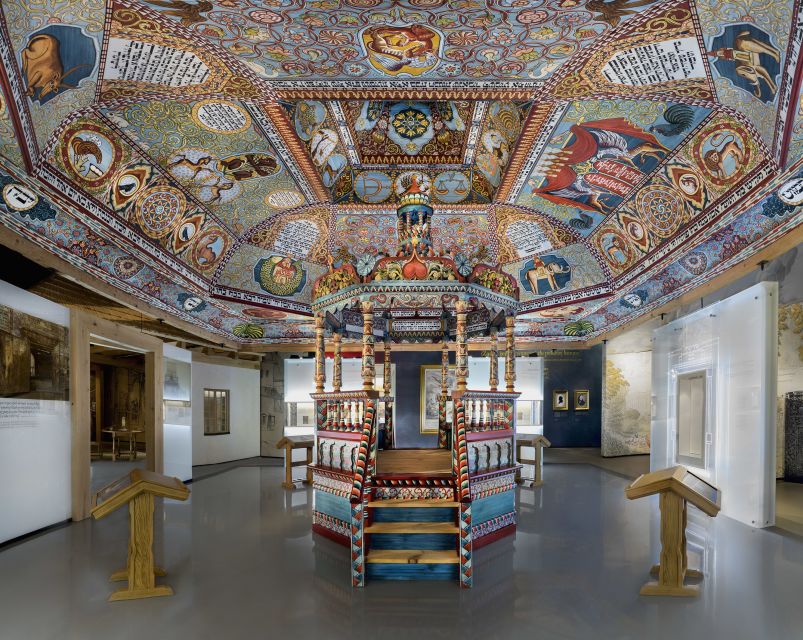
After the palace, you visit the Pomnik Bohaterów Getta, a powerful monument tied to Polish Jewish suffering and WWII occupation. This stop is short, but it works as a reset. It frames what you are about to see as more than background, it is the core of the day.
Next comes the Jewish Cemetery, which is the most emotionally reflective stop on the route. The cemetery dates back to 1799 to 1806, and the setting is described as scenic and nostalgic. You see old tombstones, including marble and sandstone markers called masebas, with delicately carved symbols and ornaments.
A key highlight is the symbolic grave of Janusz Korczak, the famous writer and teacher who died in Auschwitz. Even if you only know his name from history class, it is the kind of moment that turns dates into a real person and a real tragedy.
The cemetery visit is listed as about one hour, and admission is included for this stop. In other words, you have time to slow down, not just pose for photos and move on.
The Warsaw Ghetto Stops: Scale, Separation, and Real Street Reality
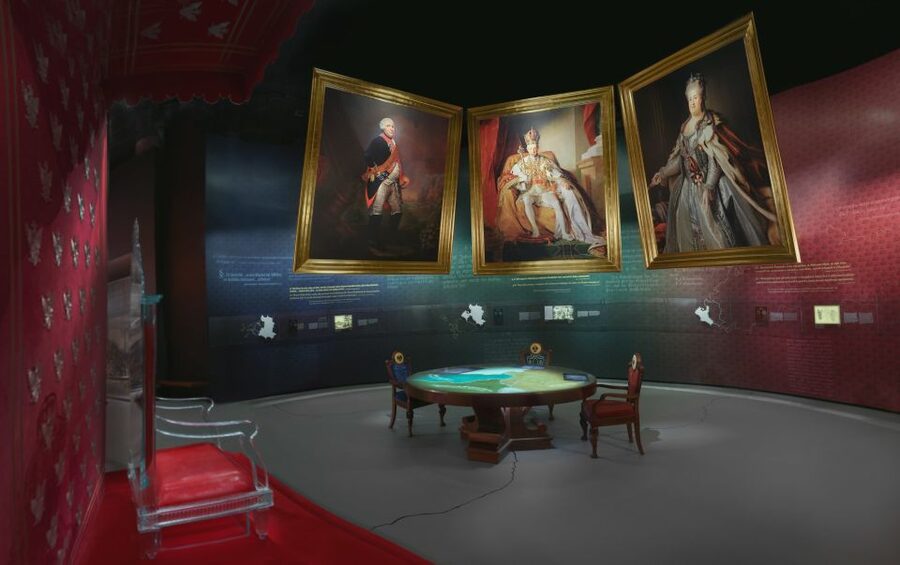
Then you shift from memorials to the physical edges of the ghetto. You stop at a Fragment of Ghetto Wall, described as a perfect starting point to explore what remains. You can see the wall’s height and construction, and you can even touch it.
That tactile detail matters. It turns an idea like containment into something your body understands. You also hear sounds of life going on as usual on the other side, which creates a sharp contrast. It is one of those experiences where you notice how normal life continued for some, while others were trapped.
Right after that comes Warsaw Ghetto itself, established in October and November 1940. The district covered only 2.4 percent of Warsaw’s land area, yet more than 450,000 Jews were forced into crowded conditions by the Germans. This is a short stop, but those numbers are the point. You are given a scale that is hard to grasp until you are standing within the city’s layout.
Admission is free for these stops, so you are not paying to learn the geography. The practical consideration is time: these are brief moments designed to connect you to the museum’s story rather than replace it.
Nozyk Synagogue and the Jewish Historical Institute
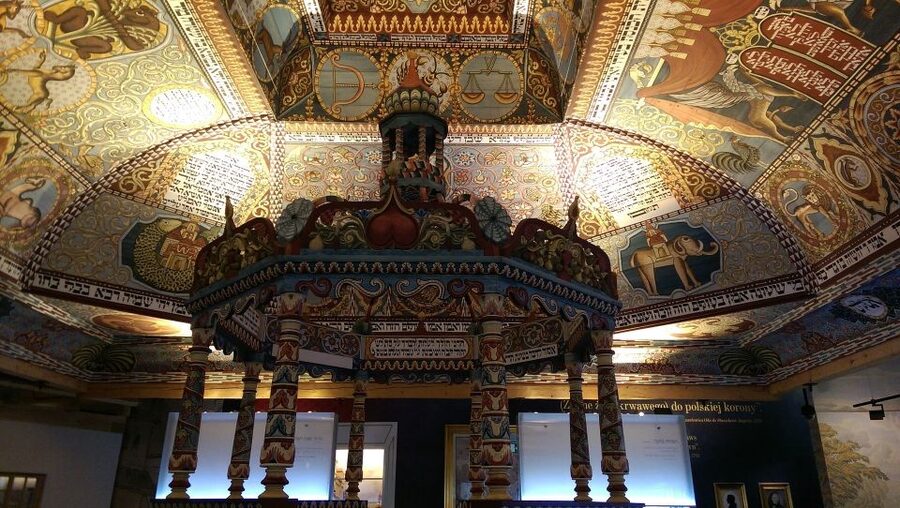
Nozyk Synagogue is next, and it is described as the only surviving synagogue of the 400 that existed in Warsaw before the war. That alone makes it special, but the tone here is practical: the synagogue has been refurbished and is now a functioning synagogue.
Possible entry is noted as being possible for request, but admission is not included. So if synagogue access is important to you, I suggest asking your guide how the request works during your tour so you can plan your questions around it.
After that you visit the Jewish Historical Institute. This museum-like stop is focused on WWII-era Warsaw Ghetto materials, including records, photographs, videos, and artifacts from the Nazi occupation. It is described as only related with this tour, meaning it is not a random side stop. It supports the theme of ghetto life and what survived.
If you like evidence, artifacts, and direct documentation, you should find this part especially satisfying. If you prefer a smoother narrative, you might want your guide to point you toward the few items that carry the strongest context so you do not lose time reading everything at once.
Prozna Street and Grzybowski Square: Where the Story Sits in Today’s City
The route also includes Prozna Street, a stop described as on route to the uprising museum area. Here the storytelling is tied to a guide’s interest, including a history teacher style focus on the Nazi occupation and the Holocaust.
This stop is about 20 minutes, so treat it as a guided interpretation of the street setting rather than a standalone “must-see museum.” The value is in the context, not the length.
Then you reach Grzybowski Square. This is in the middle of Warsaw, and the area was part of the Jewish Ghetto during WWII. Around the square you may find new Jewish theater, and in the middle there is a memorial garden and a fountain.
This combination is useful because it shows continuity. The ghetto period is the center of your attention today, but you also see how Warsaw keeps building layers over time. Even if you are serious and quiet during the memorial moments, you are not walking through a dead zone. You are walking in a city that continues.
Entering POLIN Museum: Skip the Ticket Office, Then Follow the Timeline
POLIN Museum is where the story expands. The tour includes about two hours at the museum, with admission included. And importantly, you get skip-the-line tickets to bypass the ticket office.
Be aware of the fine print: the skip-the-line helps you at the ticket office, but not at the entrance and security checks. Plan for security and arrival time as if you were going to a standard museum. The benefit is still real, just not magic.
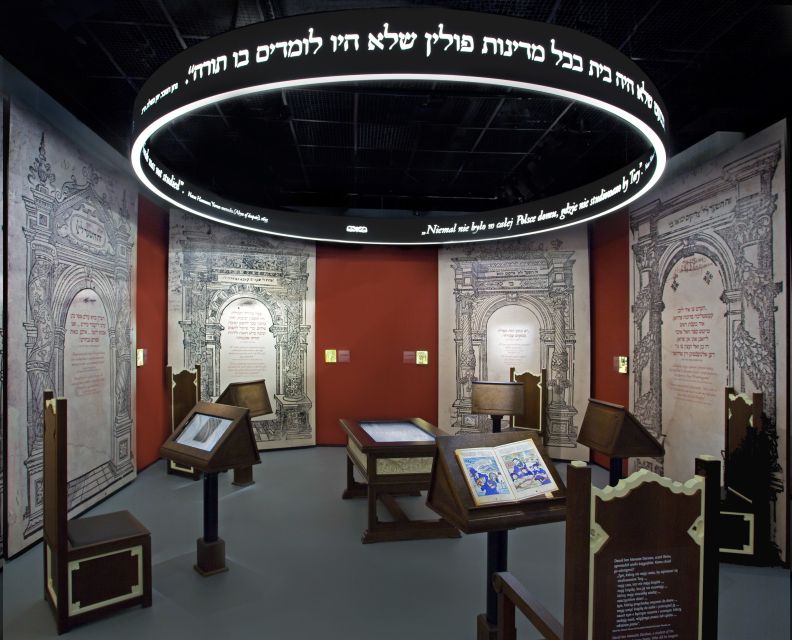
Inside, POLIN is described as the first and only museum dedicated to restoring the memory of the civilization created by Polish Jews over a millennium. That long view is the reason this museum can feel both personal and big. You are not only learning WWII. You are learning what came before, how life evolved, and what was lost.
Expect interactive moments and sensory details. The museum includes surprises in drawers you can open, screens you can use, and objects you can touch. You also see artifacts, photographs, documents, and films.
In a two-hour visit, you will not see everything. That is normal. The best approach is to listen for what your guide says are the key points to notice, then circle back to whatever visuals or objects grab you most. If you want to read every label, you will need a full day, and your two-hour slot will feel like a sprint.
How to Use a Private Guide to Make the 2 to 4 Hours Feel Longer
With a private tour, you can ask for the exact kind of framing you need. If you want names, ask for the people who were most affected in each era. If you want daily life details, ask what the exhibits show about routines, community structures, and culture.
If you get a guide like Yulia, you are in for a strong pace and clear summaries. The way she breaks things down can work even for kids, which tells you something important about the method: she keeps the story organized and visually engaging.
My practical advice is to treat the museum and the streets as two different tools. Museum time gives you context and chronology. Street time gives you geography and scale. When you switch between them, you get a more complete picture than either one alone.
Also, ask your guide about what you can do quickly versus what deserves your full attention. With POLIN’s interactivity, you could easily spend too much time pressing buttons and not enough time absorbing the story. Your guide can help you choose.
Who This Tour Suits Best
This works well if you want a guided mix of museum learning and ghetto-area walking without having to plan every stop yourself. You will also like it if you value a licensed guide who can explain both Jewish history and the Holocaust in Poland with clear context.
It suits families too, since the format is structured and not just a long lecture. A 6-year-old staying interested is a good sign that the pacing and question handling can work across ages.
It may not suit you if you want a slow, reflective day with no movement. The route is time-bound, and some stops are brief by design. If you want to linger for a full hour in every exhibit, you might prefer a self-guided day at POLIN and then add only one or two ghetto sites.
Should You Book This Tour?
If your goal is understanding, not just checking boxes, I think this is a strong pick. The combination of POLIN Museum with physically meaningful ghetto stops gives you the kind of context that sticks.
Book the 4-hour option if you want the walking portion to feel complete. If you just want the museum foundation and a shorter route, the 2-hour option can work, but you need to accept that you will not see the Warsaw ghetto walking part.
If you are comfortable reading on your own and you like museums, you could build a day independently. But the real advantage here is the guided structure, including the skip-the-line museum access and a tight explanation of what you are looking at.
FAQ
How long is the Skip-the-Line POLIN Museum Warsaw Jewish History Tour?
It runs for about 2 to 4 hours, depending on the option you choose.
Is the tour offered in English?
Yes. The tour is offered in English.
What does skip-the-line at POLIN Museum actually skip?
The skip-the-line tickets let you skip the line at the ticket office, but not at the entrance and security checks. It covers the main exhibition, the ongoing temporary exhibition, and the Heritage Gallery.
Does the 2-hour option include the Warsaw Ghetto walking tour?
No. The information says you will not see the Warsaw Ghetto on a 2-hour tour.
Can I enter Nozyk Synagogue during the tour?
Entry is possible for request. The admission ticket for Nozyk Synagogue is not included.
Where do I meet the guide?
The start location is Ludwika Zamenhofa 11, 00-153 Warszawa, Poland.
Is there free cancellation?
Yes, free cancellation is available. You can cancel up to 24 hours in advance for a full refund, and cancellations within 24 hours are not refunded.
More Historical Tours in Warsaw
- Warsaw: Chopin Concert at Historical Venue in Old Town
★ 4.7 · 445 reviews - Small-Group Historical Guided Tour of Warsaw with pick up/drop off. Public Tour.
★ 4.5 · 343 reviews - Warsaw: Warsaw Historical Group Tour with Pickup & Drop-Off
★ 4.6 · 233 reviews - Private Historical Tour of Warsaw by a Retro Fiat with Pickup
★ 5.0 · 190 reviews
More Museums in Warsaw
- Warsaw: Polish Vodka Museum Tour with Tasting
★ 4.6 · 788 reviews - Warsaw: Cold War Museum Entry Ticket
★ 4.6 · 55 reviews - World of Illusion Museum Skip-the-Line Ticket
★ 4.0 · 55 reviews - Daily live piano Chopin’s concerts at 6:30 pm in the Warsaw Archdiocese Museum
★ 4.5 · 25 reviews
Recently added in Warsaw
- Warsaw: Wolf’s Lair & Swieta Lipka Small-Group Tour + Lunch★ 5.0 · 3 reviews
- World War II Warsaw Old Town, Military Cemetery Walking Tour★ 4.7 · 3 reviews
- Warsaw Wolf’s Lair with St. Lipka and Mamerki Private Guided★ 4.2 · 3 reviews
- Warsaw Zoo Skip-the-Line Entry Ticket with Private Transport★ 4.8 · 3 reviews
- Warsaw: Vodka Tour★ 4.4 · 18 reviews
- Wilanów Palace: 2-Hour Guided Tour with Entrance Tickets★ 4.8 · 8 reviews
- Warsaw Uprising and WWII Old Town Walking Tour with Museum★ 4.7 · 15 reviews
- Warsaw: Private Vodka Tasting Night with Snacks and Pickup★ 5.0 · 7 reviews
Other POLIN Museum Visits
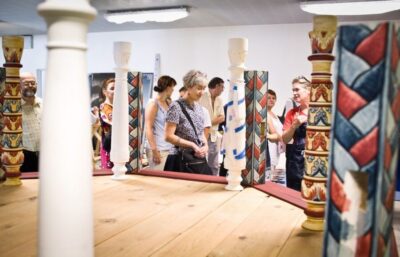
POLIN Museum of the History of Polish Jews Ticket
Read our review →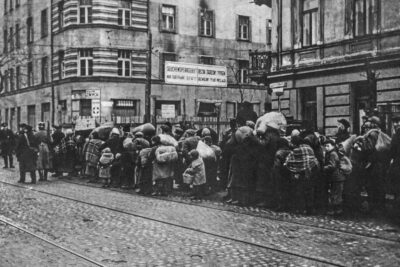
Ghetto, Jewish Cemetery & POLIN Museum Private Tour
Read our review →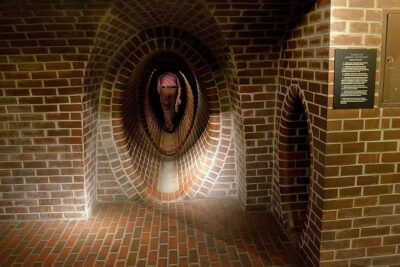
Warsaw Uprising Museum (1944) + POLIN Museum : SMALL GROUP /inc. Pick-up/
Read our review →
Skip-the-Line Polin Museum Warsaw Jewish History Tour
Read our review →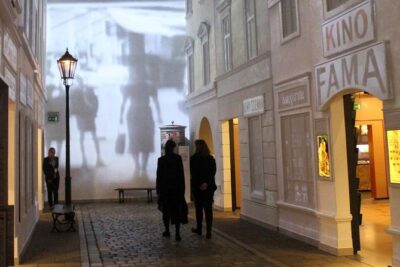
POLIN Museum of the History of Polish Jews : SMALL GROUP /inc. Pick-up/
Read our review →
Warsaw Uprising Museum (1944) + POLIN Museum: PRIVATE TOUR /inc. Pick-up/
Read our review →Browse the lists this tour appears in