
Reviewed · POLIN MUSEUM
Warsaw: POLIN Museum of the History of Polish Jews Ticket
POLIN Museum of the History of Polish Jews is interesting because it turns a big subject into a guided walk through time. You follow the story of Jewish life in Poland across centuries, not just the last, darkest period.
I especially like the interactive installations and the way the audio guide makes each room feel connected to where you are. I also appreciate that the permanent exhibition is designed for self-paced learning, so you can slow down when something catches your attention.
One drawback to plan around: the experience can feel intense, and the museum is large enough that you should give yourself real time. If you show up with only 90 minutes, you’ll miss a lot of the details that make this place work.
Quick Hits to Know
- 1,000 years, in order, with history told through objects, paintings, and audio-visual moments
- Interactive galleries built for learning without needing a live guide
- A very strong English audio guide, including location-aware narration
- A standout reconstructed synagogue ceiling, plus lots of hands-on-style displays
- The Holocaust section is treated seriously, with context on how life changed politically, socially, and religiously
Ticket Value and Timing at POLIN
For about $12 per person, this is one of the best values in Warsaw if you like museums that teach you something real and stick in your mind. You’re getting access to the permanent exhibition, plus temporary exhibition access when available, and an audio guide included in the ticket.
Plan your day around the museum’s hours. You can enter at your own convenience, but admittance to the core exhibition closes 2 hours before closing time, so don’t aim for a late arrival. The core exhibition takes about 2 hours if you move steadily, but the building is designed in a way that makes you want to pause, read, and interact.
I’d also remember this detail: you can leave for lunch and come back the same day, as long as it’s still within your visit window. Having that option makes a long museum day much more pleasant, especially if you want to avoid fatigue.
More POLIN Museum visits:
- Warsaw: Ghetto, Jewish Cemetery & POLIN Museum Private Tour
★ 4.8 · 132 reviews - Skip-the-Line Polin Museum Warsaw Jewish History Tour
★ 5.0 · 14 reviews - Warsaw Uprising Museum (1944) + POLIN Museum : SMALL GROUP /inc. Pick-up/
★ 4.5 · 14 reviews
Entering the Museum: Security, Vouchers, and a Smooth Start
Your first step is straightforward: present your voucher at POLIN Museum of the History of Polish Jews. The museum also runs an electronic scanning process before you enter the core exhibition, so give yourself a little buffer for security checks.
One small practical tip: if you’re relying on your phone for your voucher, have a backup ready. I’ve seen how easily a dead data connection or a slow screen can add stress right when you’re trying to get in, and it’s not fun to scramble mid-trip.
Also check your bag before you go. Oversize luggage isn’t allowed, and you’ll want an easy-carry setup. The good news is that the museum layout supports breaks, so you won’t feel trapped doing everything in one long stretch.
The Audio Guide Experience That Actually Helps
The audio guide is a big reason this museum works well without a guided tour. You can choose Polish or English, and the narration is designed to match your movement through the galleries.
What I like is how the audio guide can feel “aware” of your location. People mention that it can automatically provide the correct narrative as you move, which helps you avoid that annoying issue of getting lost between rooms. If you tend to drift while reading, this feature keeps the story on track.
That said, there are a few realities to plan for. Some exhibits include lots of text on walls, and busy audio can sometimes compete with reading. If you’re a slow reader, use the audio in bursts, then switch to silent reading for a minute or two when you want the details to land.
The 1,000-Year Route: What the Core Exhibition Shows
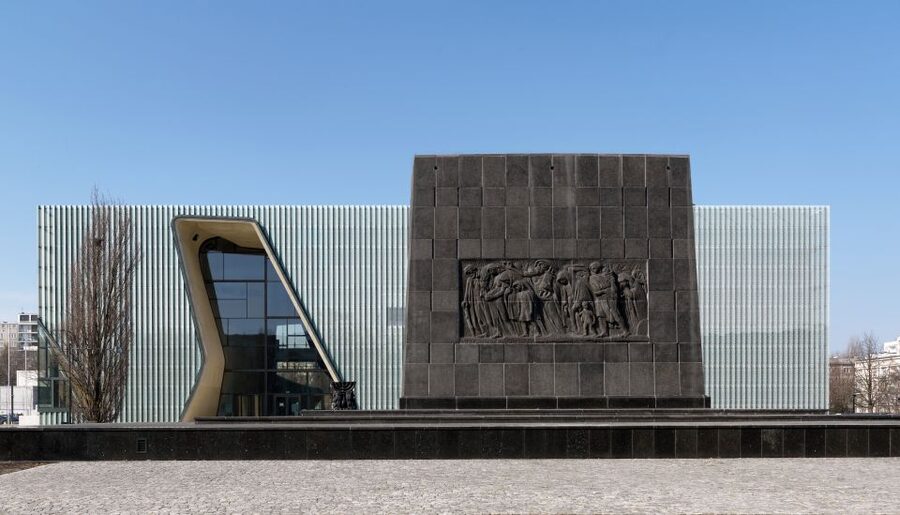
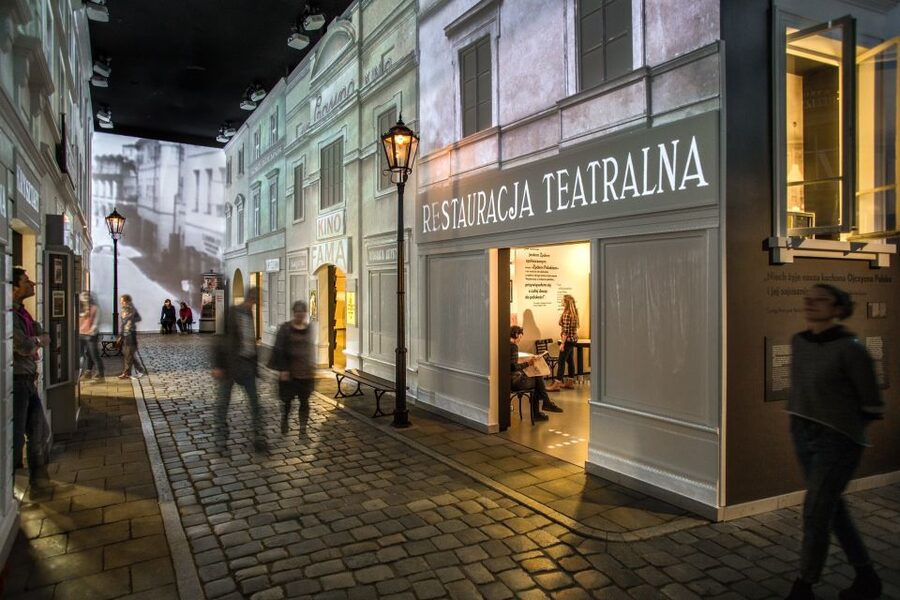
The core exhibition follows the history of Polish Jews from early settlement through to the present day. You’ll move through eight different galleries with interactive visuals and audio materials, plus artifacts and paintings.
Here’s the value of that structure: you aren’t forced to start at one fixed angle. Instead, you learn how Jewish community life in Poland formed, changed, and adapted over time, and then you see how the Holocaust reshaped the political, social, and religious landscape.
More museums in Warsaw:
- Warsaw: Polish Vodka Museum Tour with Tasting
★ 4.6 · 788 reviews - World of Illusion Museum Skip-the-Line Ticket
★ 4.0 · 55 reviews - Warsaw: Cold War Museum Entry Ticket
★ 4.6 · 55 reviews - Daily live piano Chopin’s concerts at 6:30 pm in the Warsaw Archdiocese Museum
★ 4.5 · 25 reviews
Early Communities and How Life Took Root
In the earlier galleries, the museum focuses on the origins and development of Jewish communities in Poland. You’ll see how settlement took shape and how daily life formed within the broader society.
This part matters because it gives you something to hold onto later. When you reach the most tragic material, you’re not seeing the Holocaust as an isolated event. You understand what was lost, and you understand the systems that supported community life before they were destroyed.
Community Life, Culture, and Social Roles
As you move forward, the galleries bring in cultural and societal threads. You’ll learn about the roles of individuals within Polish society and how community autonomy functioned.
I like that the museum doesn’t treat Jewish history only as a set of dates. It repeatedly returns to the idea of lived experience, with artifacts and visual storytelling that make the past feel structured instead of chaotic.
Modernization and the 19th-Century Turn
Some visitors note the early sections can feel heavy if you’re most interested in the modern era, but that’s exactly where the museum’s strength is. The shift into more modern life helps explain the tensions Jews experienced while holding onto identity during major social change.
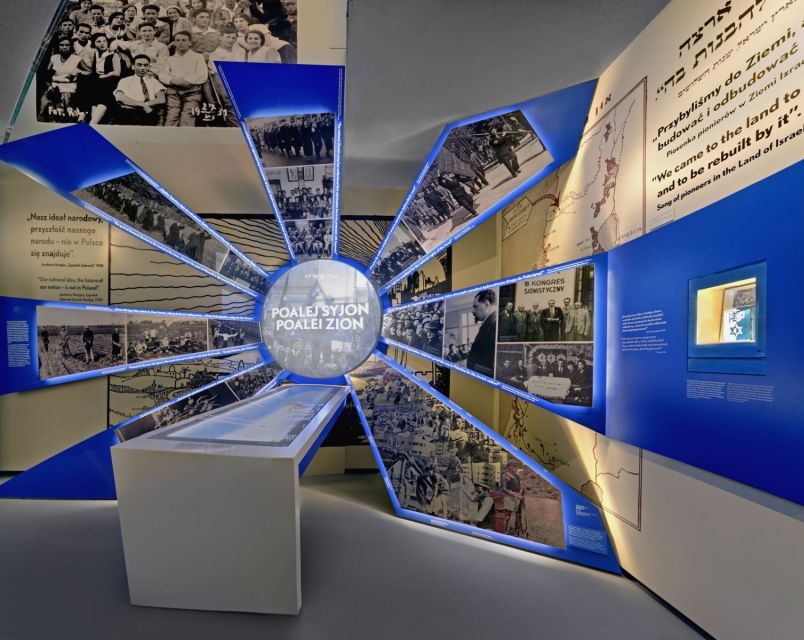
If you’re the type who likes politics and social context, this is a strong section to slow down for. You’ll find discussion of different views on modernization and how people navigated change while staying connected to community.
The Holocaust and Why the Museum Frames It Broadly
The museum’s Holocaust-focused material isn’t only about events. It looks at the impact on diversity and how Jewish life across Poland was transformed in political, social, and religious terms.
This can be an intense stretch of the visit. Still, the overall exhibits are designed to be straightforward, and the tone aims to avoid cheap emotional tricks. That balance matters. It keeps you grounded in history, not trapped in a cycle of shock.
If you want a practical approach, I’d plan a short pause after this section. Use the seating, step back for a minute, and let your brain catch up. The museum is built with enough places to rest that you won’t feel like you have to power through.
After the War: Cultural Revival and Continuity
Toward the end, you’ll see how Jewish culture and community life worked to recover after World War II. The story moves from destruction toward revival, showing continuity instead of ending the narrative at the point of loss.
This ending affects the way the whole museum stays with you. Instead of leaving with only grief, you leave with a sense that culture carried forward through real people and institutions.
What Makes the Design So Effective: Interactive Displays and Artifacts
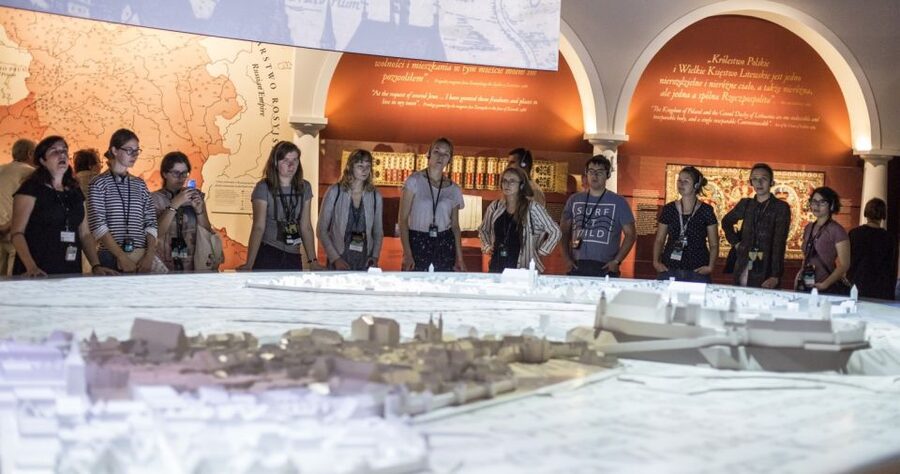
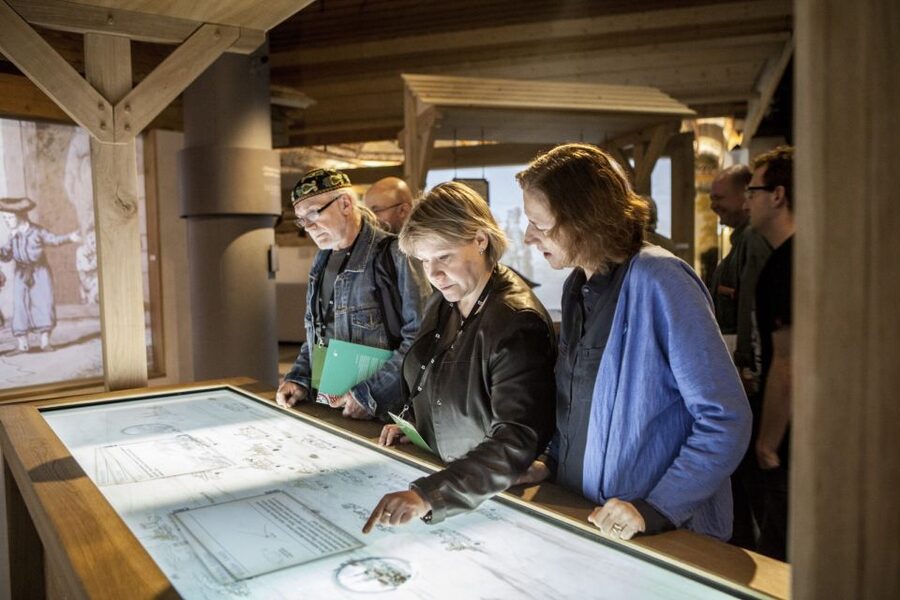
POLIN is not just “read and move on.” It uses interactive installations, artifacts, and paintings to keep your attention while teaching you.
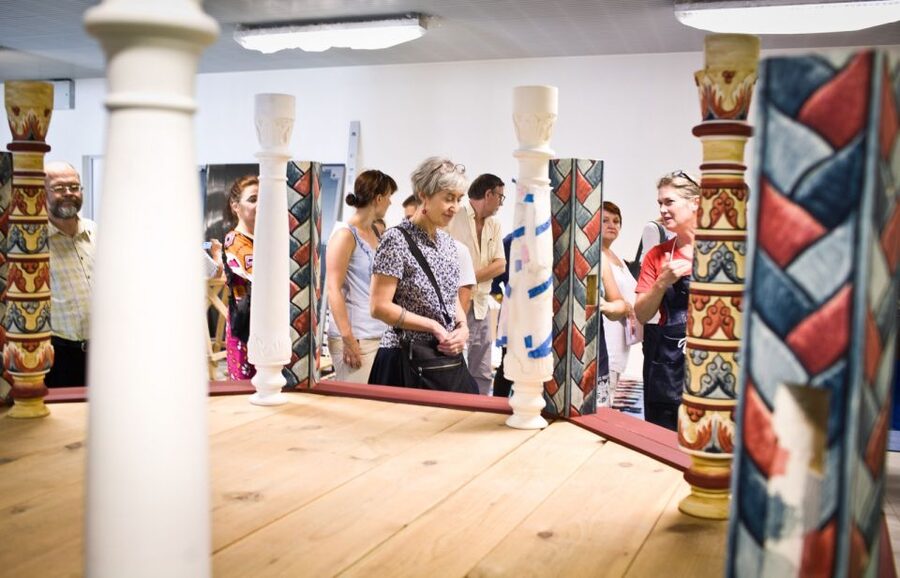
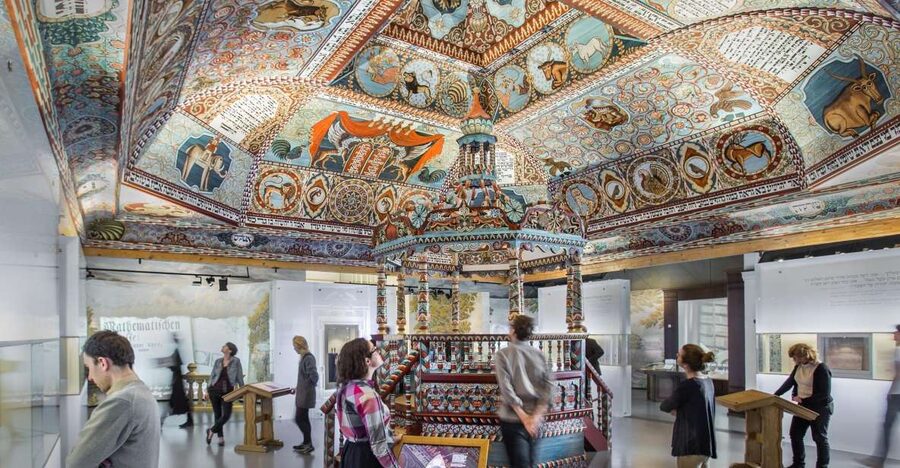
One standout element that comes up again and again is the reconstructed synagogue ceiling. If you’re the kind of person who loves being impressed by craft and design, this is a moment to watch your pace. It’s the kind of visual detail that makes history feel physical.
You’ll also notice the museum is comfortable to navigate at your own pace. Many people mention it doesn’t feel like you hit a wall of museum fatigue, partly because the exhibits include seating and breaks along the way.
A small caveat: some ceilings can be low in certain areas, and the museum can get noisy when school groups are present. If you’re sensitive to noise, you might want to use the audio at lower volume and rely on rest points to reset.
How Long Should You Plan for POLIN?
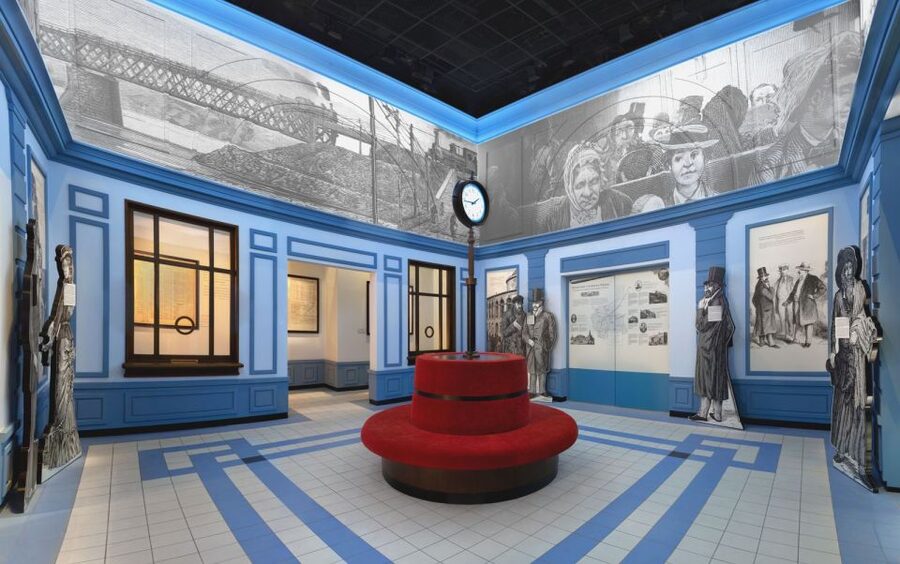
The most honest answer is: give yourself more time than you think you need. The core exhibition estimate is about 2 hours, but people frequently end up spending longer because the interactive moments invite lingering.
A good rule for planning:
- If you want the core route only, budget 2 to 3 hours.
- If you want to read more carefully and fully use the audio, budget 3 to 4 hours.
- If you like to slow down for details, plan for 5 hours or more.
There’s also an optional extra element mentioned in the museum experience: a special exhibition about ghetto fighters. If you add that, your day will run long, so don’t pair it with a tight schedule later.
Lunch Inside the Museum: Breaks Make the Day Work
You can eat mid-visit because there’s a restaurant on site. It’s described as cafeteria-style, but the quality is reported to be very good, with portions that are generous.
This matters because it changes how you experience the museum. Instead of racing through heavy history, you can take a real break, recharge, and then come back to the galleries with clearer attention.
Wheelchair Access and Practical Comfort Notes
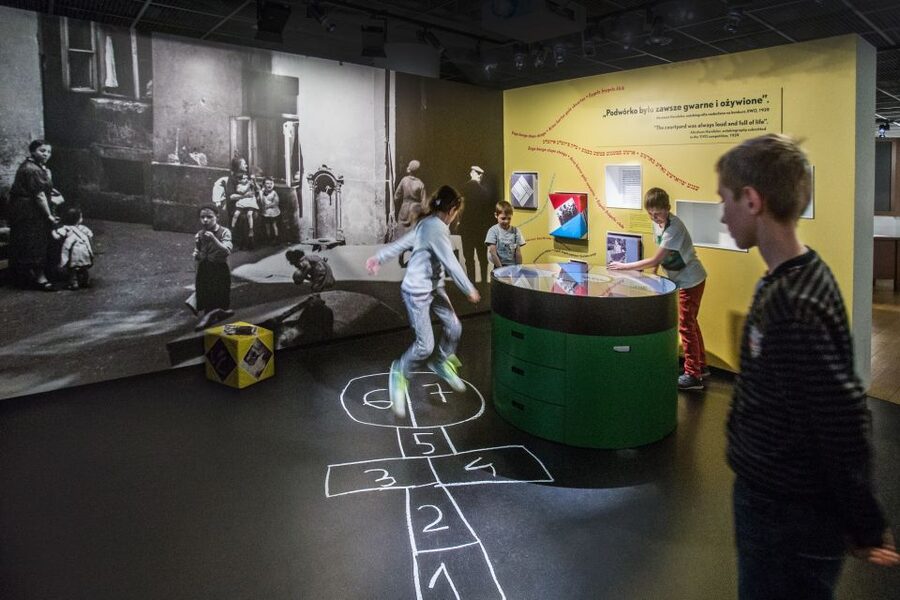
The museum is wheelchair accessible, so it’s designed with mobility in mind. On the practical side, it’s wise to wear comfortable shoes. The visit can involve a lot of walking, and you’ll likely want the freedom to stop when the interactive parts catch your eye.
Also, if you’re someone who prefers extra support for long sitting or resting, you might consider bringing your own foldable chair. One person strongly recommended doing this because the museum experience can take a long time.
Is POLIN Worth It If You’re Short on Time?
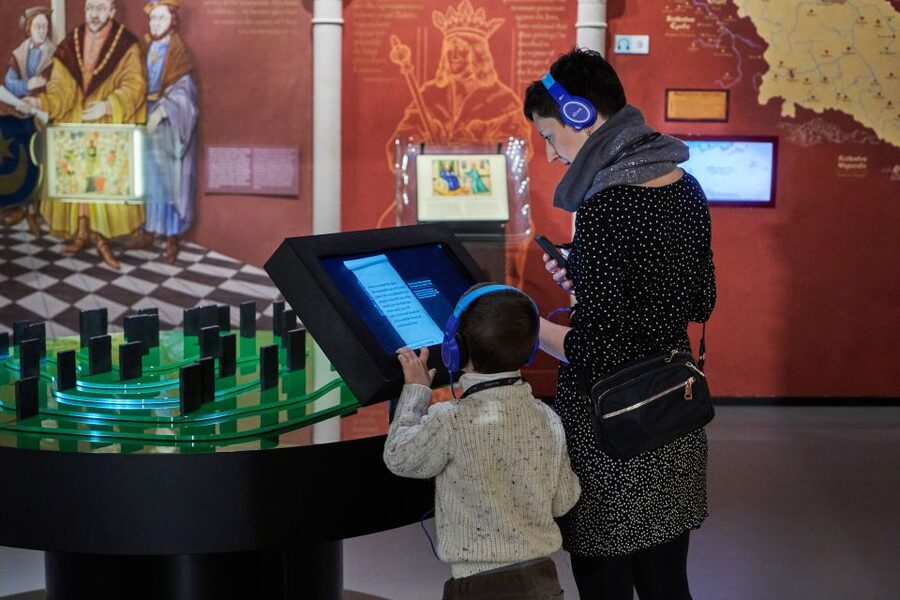
If you only have a couple hours, you’ll still get a lot out of POLIN, because the museum’s core exhibition is designed as a complete through-line. But you should go in with the right goal.
Think of it as a story you absorb in chunks. You’ll learn the big timeline, you’ll experience interactive displays, and you’ll understand how the Holocaust reshaped community life. If you try to do it like a quick hit, you’ll feel the museum’s size and the amount of material in the later sections.
If you want to connect POLIN to your broader Warsaw trip, it pairs well with other Holocaust-related visits because it provides wider context about the community before and after the disaster. Even without pairing plans, it stands alone as a major educational experience.
Should You Book POLIN Museum in Warsaw?
I think you should book POLIN if you want more than a single-theme museum. This is a 1000-year story of Jewish life in Poland, told with interactive tools, artifacts, and strong audio guidance that helps you stay oriented.
You should also book it if you learn well through multimedia and you like pacing yourself. The lack of a required guided tour is a plus, especially if you don’t want to follow someone else’s tempo.
Skip it only if you’re truly short on time or you dislike museums that cover a lot of ground in one building. Give yourself the hours, bring comfort, and plan for an experience that will teach you history in a way that sticks.
FAQ
How long does it take to see the core exhibition?
The estimated time needed for visiting the core exhibition is about 2 hours, though many visitors plan longer.
Is a guided tour included with the ticket?
No. A guided tour is not included.
What does the ticket include?
Your ticket includes access to the permanent exhibition, access to the temporary exhibition if available, and an audio guide.
What languages are available for the audio guide?
The audio guide is available in Polish and English.
Can I enter whenever I want during the day?
Yes. The ticket is valid for 1 day, and you may enter at your own convenience.
Is the museum open every day?
No. The museum is closed on Tuesdays.
What time should I arrive if I want to see the core exhibition?
Admittance to the core exhibition closes 2 hours prior to closing time, so you should arrive with that cutoff in mind.
Can I leave the museum to have lunch and return the same day?
Yes. You can leave for lunch and return as long as it is within the same day.
Is electronic scanning required before entering?
Yes. Due to security restrictions, every guest must undergo electronic scanning before entering the core exhibition.
Is the museum wheelchair accessible?
Yes. The museum is wheelchair accessible.
Are there any restrictions on luggage?
Yes. Oversize luggage is not allowed.
More Historical Tours in Warsaw
- Warsaw: Chopin Concert at Historical Venue in Old Town
★ 4.7 · 445 reviews - Small-Group Historical Guided Tour of Warsaw with pick up/drop off. Public Tour.
★ 4.5 · 343 reviews - Warsaw: Jewish History Guided Walking Tour in English
★ 4.7 · 324 reviews - Warsaw: Warsaw Historical Group Tour with Pickup & Drop-Off
★ 4.6 · 233 reviews
Recently added in Warsaw
- Warsaw: Wolf’s Lair & Swieta Lipka Small-Group Tour + Lunch★ 5.0 · 3 reviews
- World War II Warsaw Old Town, Military Cemetery Walking Tour★ 4.7 · 3 reviews
- Warsaw Wolf’s Lair with St. Lipka and Mamerki Private Guided★ 4.2 · 3 reviews
- Warsaw Zoo Skip-the-Line Entry Ticket with Private Transport★ 4.8 · 3 reviews
- Warsaw: Vodka Tour★ 4.4 · 18 reviews
- Wilanów Palace: 2-Hour Guided Tour with Entrance Tickets★ 4.8 · 8 reviews
- Warsaw Uprising and WWII Old Town Walking Tour with Museum★ 4.7 · 15 reviews
- Warsaw: Private Vodka Tasting Night with Snacks and Pickup★ 5.0 · 7 reviews
Other POLIN Museum Visits
Ghetto, Jewish Cemetery & POLIN Museum Private Tour
Read our review →
Warsaw Uprising Museum (1944) + POLIN Museum : SMALL GROUP /inc. Pick-up/
Read our review →
Skip-the-Line Polin Museum Warsaw Jewish History Tour
Read our review →
POLIN Museum of the History of Polish Jews : SMALL GROUP /inc. Pick-up/
Read our review →
Warsaw Uprising Museum (1944) + POLIN Museum: PRIVATE TOUR /inc. Pick-up/
Read our review →Skip-the-Line Polin Museum Warsaw Jewish History Tour
Read our review →Browse the lists this tour appears in