
Reviewed · WARSAW UPRISING & WWII HISTORY
Warsaw: WWII Private Tour by Retro Minibus with Hotel Pickup
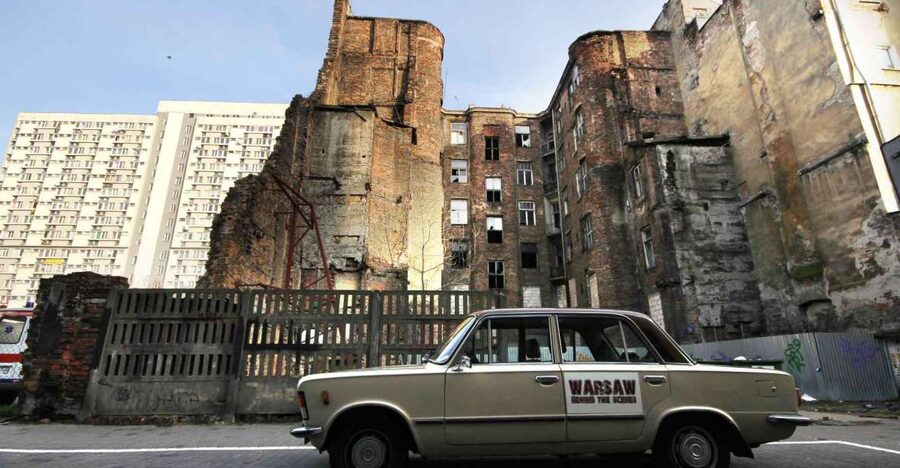
This is one of those Warsaw experiences where the city stops being a set of pretty streets and turns into a story you can stand inside. You’ll move through key WWII sites with a guide who explains the “how did this happen” chain, then you’ll see physical leftovers like bullet-marked buildings and intentionally unrestored ruins.
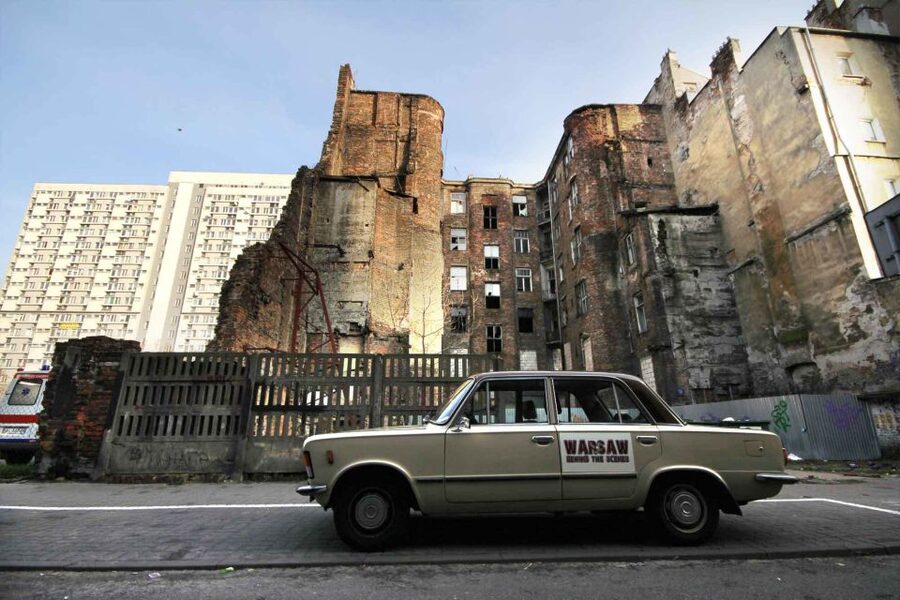
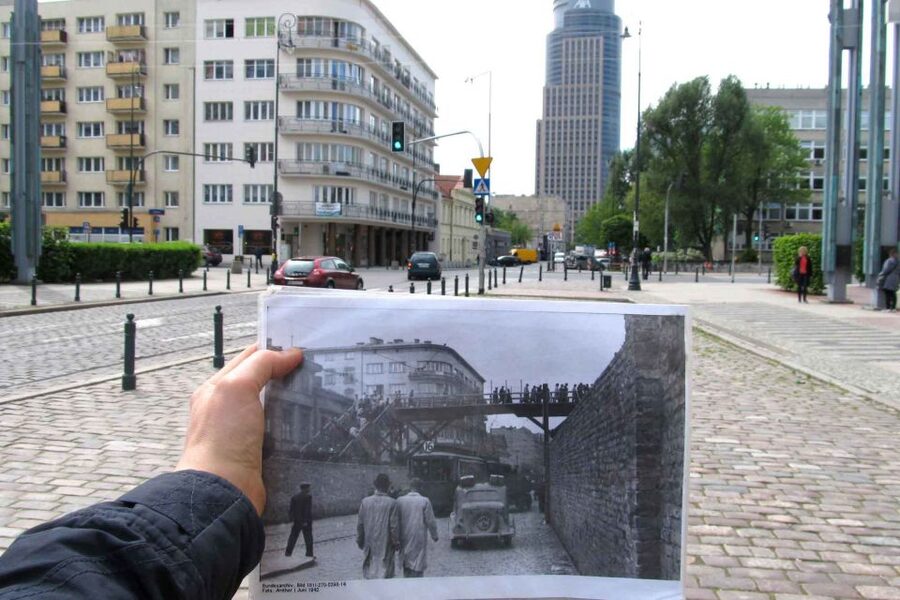
I love the way the tour uses archival photographs to compare wartime scenes with what you see today. I also like the pace and comfort of traveling by the vintage Żuk minibus, which helps you cover more ground without turning the day into a slog. The one drawback to plan for is that the minibus is a classic vehicle, so there’s no air conditioning, and you will walk at each stop.
Key Points You’ll Appreciate
- WWII storytelling with both Nazi occupation and Soviet repression in the same narrative
- Ghetto Wall fragment, Waliców Street unrestored tenement, and the Chłodna Street ghetto bridge
- Muranów district built on wartime rubble, with remembrance at the Monument to the Ghetto Heroes
- POLIN Museum area connected to the 1943 Ghetto Uprising first armed clashes
- Katyń and deportations to Siberia covered at the Monument to the Fallen and Murdered in the East
- Small, private format using a retro communist minibus, typically up to 8 per vehicle
Entering the WWII Story: 1939 to Warsaw’s Double Occupation
Before you ever reach the ghetto sites, the guide sets the stage for how Poland was squeezed from both sides. You get the international situation leading up to 1939, then the German invasion and, at the same time, Soviet occupation of parts of eastern territory. That matters because Warsaw’s wartime experience was not just one enemy, one timeline, and one type of suffering. It was layered, and the tour keeps those layers clear.
You’ll also get a practical sense of what daily life became. The focus is not only on major events, but on the way occupation changed ordinary routines. That shift helps you understand why resistance mattered so much, and why people’s choices under pressure were often limited.
A good guide also knows how to pace the emotions. In particular, guides such as Konrad have a knack for switching between serious history and lighter human moments that keep the group steady. If you’re traveling with a teen, you’ll probably notice that kind of real-world engagement, not just straight lectures.
More Warsaw Uprising and WWII history walks:
- World War 2 in Warsaw walking tour in English
★ 4.7 · 237 reviews - Warsaw for WWII Buffs – private tour with hotel pickup
★ 5.0 · 166 reviews - Warsaw Uprising Museum (1944) : PRIVATE SERVICE /inc. Pick-up/
★ 4.5 · 18 reviews
The Nazi Occupation Sites: Ghetto Wall, Waliców Tenement, and the Bridge Above Chłodna
The tour’s heart is the tragedy of Warsaw’s Jewish population, and it does not treat it like a checklist stop. You’ll learn that before the war Warsaw had around 300,000 Jews. In 1940, Nazi authorities created the Warsaw Ghetto, trapping hundreds of thousands of people in inhumane conditions. From there, the tour becomes intensely physical.
One of the strongest moments is the visit to a preserved fragment of the former Ghetto Wall. Seeing a wall segment that survived gives you a concrete measurement for the scale of confinement. It’s the kind of sight that makes the words imprisonment and segregation feel immediate, because you’re staring at the boundary itself.
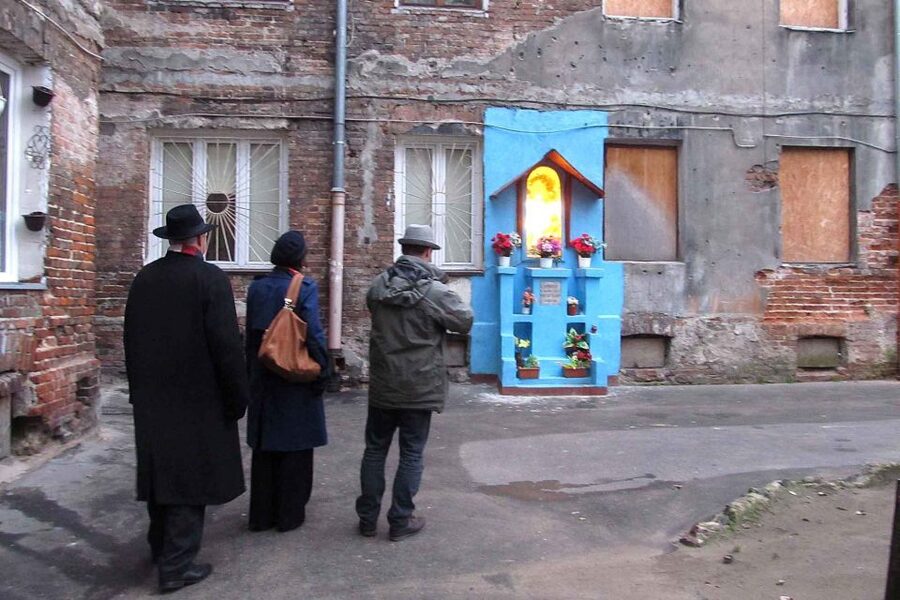
Next comes Waliców Street, where you’ll see one of the last ruined tenement houses left intentionally unrestored. This is not a restored “look how it used to be” scene. It’s a deliberate decision to keep a wound visible. If you’re the type who likes authenticity over dramatization, you’ll probably appreciate this approach. It also means you should expect a quieter, more reflective tone.
Then you’ll move to the area connected to the famous wooden ghetto bridge over Chłodna Street. The detail that makes this bridge memorable is that it was built high above street traffic to connect sealed ghetto sections. That design choice is an example of how the ghetto functioned like a protected but suffocating system. You see the world rearranged, even above street level.
Muranów: Reading the City Built From Wartime Rubble
After the ghetto-specific stops, the tour shifts into Muranów, a district constructed entirely on wartime rubble. This is a huge idea, and the guide helps you visualize it instead of just naming it. You’re not only looking at streets, you’re walking through rebuilding after deliberate destruction.
You’ll also find the story tied to remembrance and public memory. Around the Monument to the Ghetto Heroes, you get a sense of how survivors and resistance fighters were commemorated. This is where the tour’s emotional arc turns from what happened to how Warsaw remembers it now.
Nearby is the POLIN Museum of the History of Polish Jews area. The tour places it in context of the first armed clashes of the 1943 Ghetto Uprising. Even if you don’t go inside the museum itself, the connection gives the surroundings meaning. You’re seeing not only a museum building, but a geographic anchor for a specific uprising moment.
TWO Uprisings, One City’s Refusal to Accept Defeat
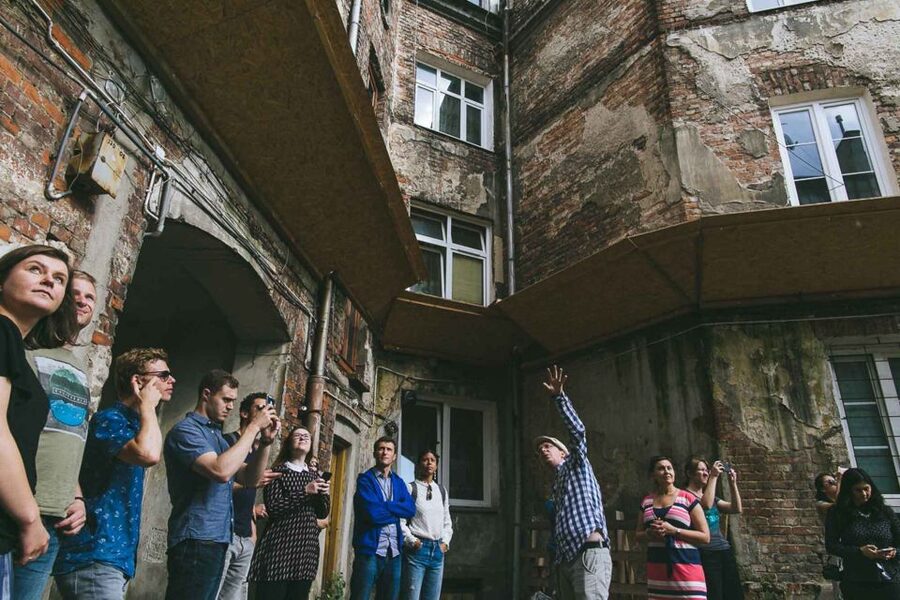
A key strength here is that you do not just learn facts, you connect events in time. The guide explains both wartime uprisings tied to the ghetto’s history, helping you understand how resistance developed under pressure.
You’ll also see how the tour uses comparison tools, especially archival photographs. This is a smart way to keep the past from becoming abstract. When you can line up wartime imagery with today’s streets, you start to notice details you might otherwise miss, like how certain building lines held steady and how others vanished.
The result is that you don’t just leave with dates. You leave with a mental map of the ghetto, where people moved, where they fought, and where the city absorbed the shock.
More retro Fiat and vintage car tours:
- Private Tour: Warsaw City Sightseeing by Retro Fiat
★ 5.0 · 562 reviews - Discover the Dark Side of Warsaw in Praga District by Retro Bus
★ 5.0 · 327 reviews - Warsaw: 2.5-Hour Dark Side – Praga District by a Retro Bus
★ 4.5 · 248 reviews - Private Tour: Warsaw’s Jewish Heritage by Retro Fiat
★ 5.0 · 208 reviews
Soviet Crimes and Targeted Repression: Deportations and Katyń
Later in the tour, you shift from Nazi persecution to Soviet repression. The guide covers Soviet crimes against Polish citizens, including mass deportations to Siberia and the Katyń massacre. This matters because it shows how, in the broad sweep of WWII, Poland was treated as a contested space by multiple powers.
The stop centers on a commemorative site: the Monument to the Fallen and Murdered in the East. You’ll learn what it is remembering, and why these events were so destabilizing for families and communities. The tour handles this carefully, since the topics are heavy. Still, the pacing stays useful. It helps you connect political events to human outcomes without drowning you in details that don’t help you remember.
The 1944 Warsaw Uprising: The Last Attempt Before the Red Army
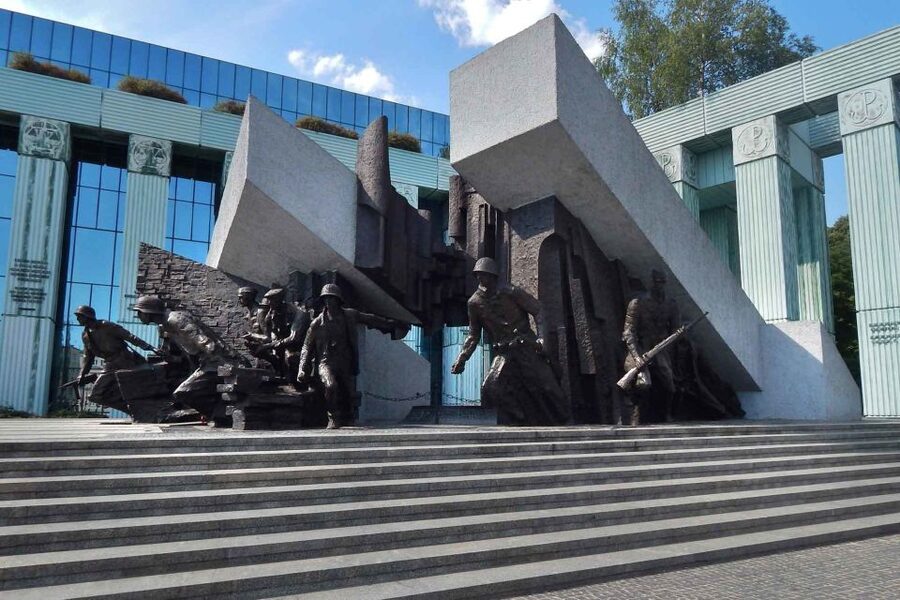
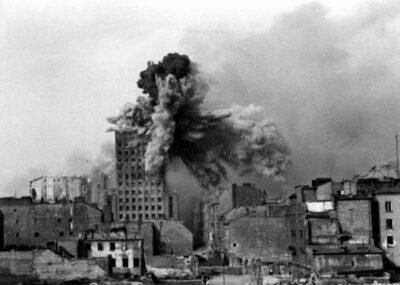
The final chapter brings you to the Warsaw Uprising of 1944, framed as the city’s last attempt to regain independence before the arrival of the Red Army. You’ll learn why the uprising mattered so much and why, after its defeat, Nazi forces deliberately destroyed much of Warsaw.
This is where you’ll start to notice how the war shaped the city’s physical identity. The guide points out preserved ruins and references bullet-marked buildings, which function like evidence. You’re not just hearing about destruction, you’re seeing the marks that survived.
Then the story shifts again to politics and control. The Soviet army entered the ruins in January 1945, beginning a new political era. That closing timeline helps make sense of why Warsaw’s WWII memory is not only about tragedy, but also about the complicated aftermath.
The Retro Żuk Minibus: Small Group, Realistic Comfort
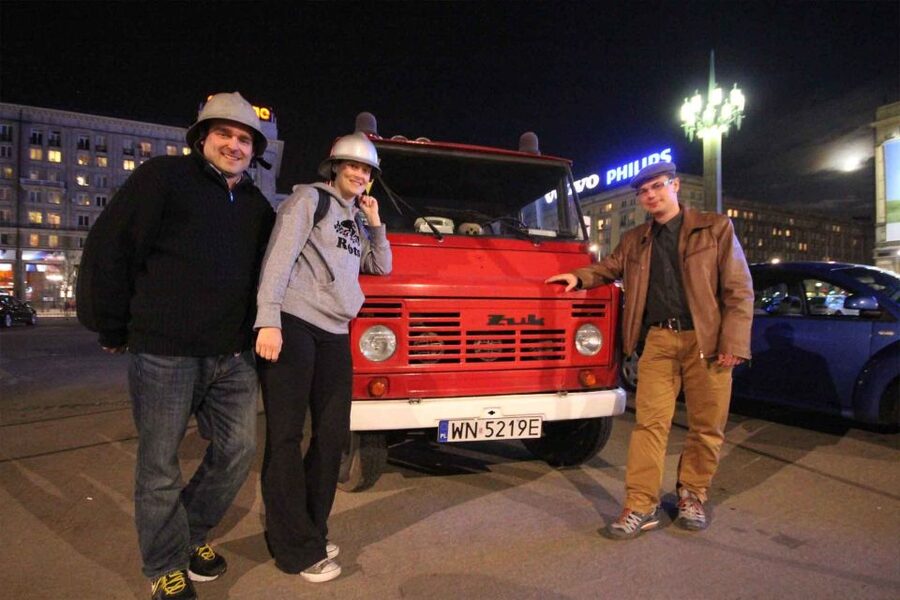
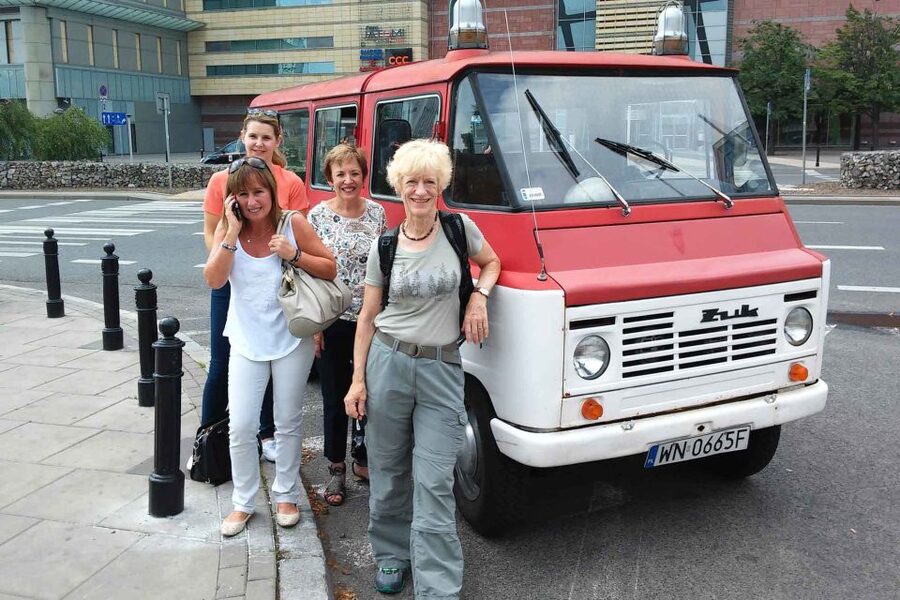
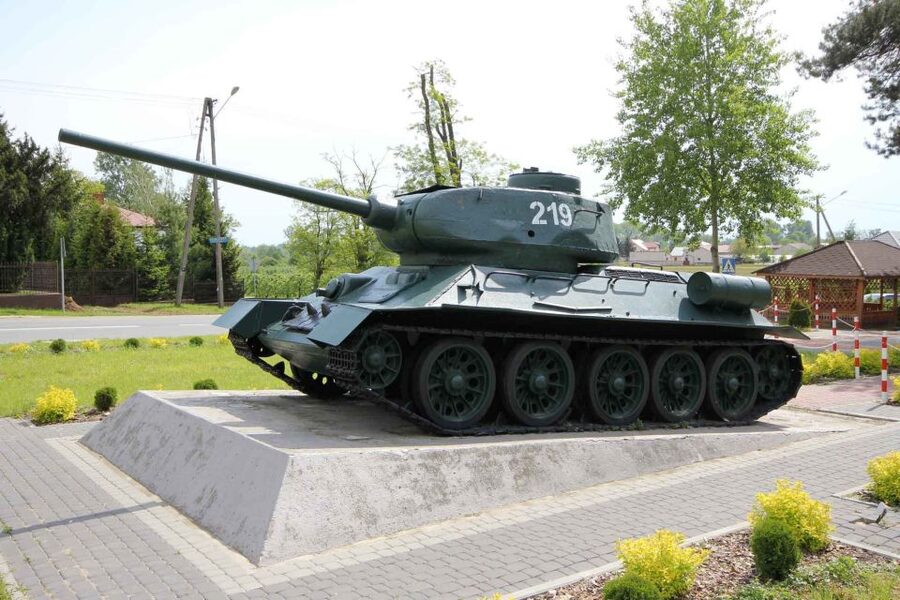
Let’s talk about the ride, because it affects your day. You’ll travel by retro communist Żuk minibus. It’s a fun detail, but the practical benefit is that you cover more ground without losing time to long transfers on public transit. The vehicles are used primarily for getting between locations, and then you walk at each stop.
The minibus setup is also part of the experience. Each vehicle accommodates up to 8 passengers, and there’s a fleet available if you have multiple groups. Since your tour is private, the group stays intimate, which makes it easier to ask questions and helps the guide read the room.
Comfort notes you should keep in mind:
- The classic vehicles are not equipped with air conditioning.
- Some do not have seat belts, which is permitted for historic vehicles.
- Heating is available for winter season.
If you’re planning for summer heat, dress with that in mind. If you’re going in colder months, you’ll be glad the bus has heating and you’re carrying weather-appropriate layers.
Also note the tour does not allow luggage or large bags. I recommend a small daypack or a compact backpack. It keeps things smooth when you’re getting in and out for short walks.
Pickup Within 3 km: Why Timing Can Change
Hotel pickup is included, but with a key detail: pickup and drop-off happen within a 3 km radius of the city center, and the transfer time counts inside the total tour duration. That means the sightseeing time can feel shorter if your hotel is near the edge of the pickup zone.
If you’re staying a bit farther out, I’d seriously consider meeting the guide closer to the center. You’ll save minutes and end up with a more relaxed pace, especially since you’ll be walking at multiple stops.
In short, this tour is designed to be efficient, but your exact starting point affects the feel of the day.
Price and Value: What You’re Actually Paying For
At $165 per person for a 3-hour private tour, the price can look steep at first glance. The value is not the vehicle, it’s the structure and interpretation.
Here’s what you’re buying:
- A professional English-speaking local guide who connects events before and after key WWII turning points
- Access to specific, meaningful locations, including preserved fragments and memorials
- A route that compares wartime and modern views using archival photographs
- Hotel pickup, which saves your energy and reduces decision fatigue
If you tried to do this on your own, you’d probably save money but spend more time piecing together context. WWII Warsaw is not a “read a sign and done” kind of city. The tour’s main payoff is that it gives you a coherent story and helps you understand why each location matters.
So yes, it’s not cheap. But if you value insight and emotional clarity over just photo stops, it’s the sort of price that can feel fair.
Who This Tour Suits Best
This tour is best for people who want WWII history with context and human meaning, not just a surface crawl. I think it’s ideal if you:
- Enjoy walking short distances between significant sites
- Want both Nazi occupation and Soviet repression covered in one narrative
- Appreciate guides who can balance detail with pacing
It’s also not a good match for everyone. The tour is not suitable for children under 15. Separately, booking notes say adults and children over 150 cm (4 ft 9 in) can be booked, and seat boosters are required under Polish law for children under 150 cm, so you’d need to contact the operator in advance if you’re traveling with a younger child.
If you’re sensitive to intense topics, this is still the right tour, but expect the mood to be serious. The experience is designed around remembrance and historical truth, not distraction.
Quick Practical Tips Before You Go
A few things will make the day smoother:
- Wear comfortable shoes. You’ll have walking segments at each stop.
- Bring weather-appropriate clothing since the stops include outdoor memorial areas.
- Avoid packing bulky items, since the tour restricts luggage or large bags.
- Keep in mind that the minibus may not have seat belts on some vehicles.
If you like photography, bring your camera or phone, but plan to pause often. The best learning moments happen when you stop moving.
Should You Book This Warsaw WWII Private Tour?
I’d book it if you want WWII Warsaw to make sense as a sequence, not as isolated landmarks. The biggest reason is the way the guide connects the pre-war situation, the German invasion, Soviet repression, the ghetto tragedy, the uprisings, and the aftermath into one clear timeline.
Skip it if you want a light, casual sightseeing afternoon or if you hate uncomfortable heat in classic vehicles. Also pass if your group includes someone who falls into the under-15 limitation.
If you do book, you’ll likely leave with more than photos. You’ll leave with a sharper mental map of Warsaw, and a deeper understanding of why certain stones, walls, and memorials still carry weight.
FAQ
How long is the Warsaw WWII private tour?
The duration is 3 hours, and the total time includes pickup and drop-off.
Is hotel pickup included?
Yes. Pickup and drop-off are included within a 3 km radius of the city center.
What is the tour price?
The price is $165 per person.
Is food or drinks included?
No. Food and drinks are not included.
What languages are available for the guide?
The tour is led by an English-speaking guide.
Is the tour suitable for children?
The tour is not suitable for children under 15. Booking is available for adults and children over 150 cm, and for children under 150 cm you must contact the operator in advance to check seat booster availability.
More Sightseeing Bus Tours in Warsaw
- Warsaw: City Sightseeing Hop-On Hop-Off Bus Tour
★ 3.6 · 1,415 reviews - Warsaw City Sightseeing in a Retro Bus
★ 5.0 · 196 reviews - Warsaw: 3-Hour Panoramic City Bus Tour with Pickup
★ 4.5 · 169 reviews - Best of Warsaw – private tour by retro minibus with hotel pickup
★ 5.0 · 111 reviews
Recently added in Warsaw
- Warsaw: Wolf’s Lair & Swieta Lipka Small-Group Tour + Lunch★ 5.0 · 3 reviews
- World War II Warsaw Old Town, Military Cemetery Walking Tour★ 4.7 · 3 reviews
- Warsaw Wolf’s Lair with St. Lipka and Mamerki Private Guided★ 4.2 · 3 reviews
- Warsaw Zoo Skip-the-Line Entry Ticket with Private Transport★ 4.8 · 3 reviews
- Warsaw: Vodka Tour★ 4.4 · 18 reviews
- Wilanów Palace: 2-Hour Guided Tour with Entrance Tickets★ 4.8 · 8 reviews
- Warsaw Uprising and WWII Old Town Walking Tour with Museum★ 4.7 · 15 reviews
- Warsaw: Private Vodka Tasting Night with Snacks and Pickup★ 5.0 · 7 reviews
Other Warsaw Uprising & WWII History Tours
Warsaw for WWII Buffs – private tour with hotel pickup
Read our review →
Warsaw Uprising Museum (1944) : PRIVATE SERVICE /inc. Pick-up/
Read our review →
Warsaw Uprising and WWII Old Town Walking Tour with Museum
Read our review →
Warsaw Uprising Museum (1944) + POLIN Museum : SMALL GROUP /inc. Pick-up/
Read our review →
Warsaw Uprising Museum (1944) + POLIN Museum: PRIVATE TOUR /inc. Pick-up/
Read our review →
Majdanek – German camp from II World War – Private Tour – 1 DAY TRIP FROM WARSAW
Read our review →Browse the lists this tour appears in