
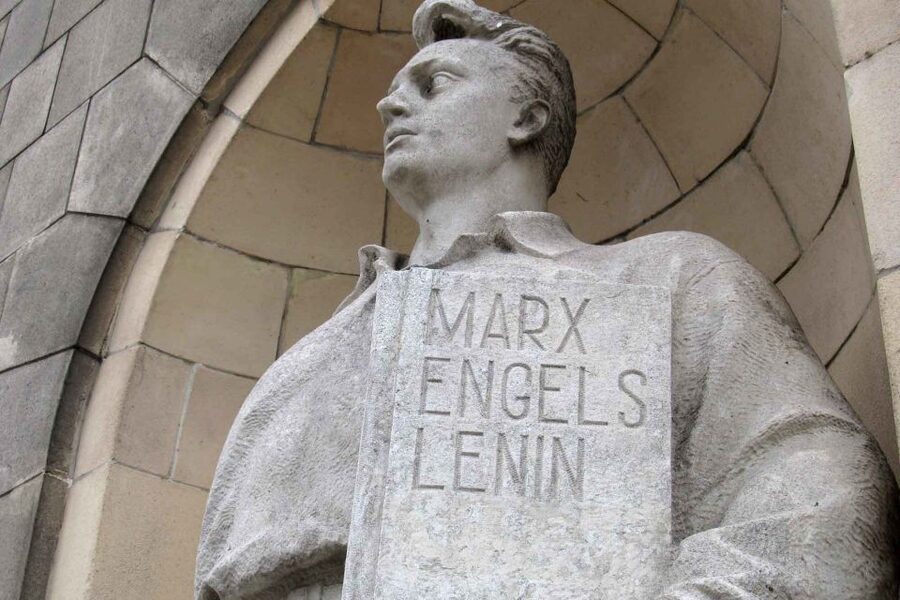
Reviewed · COMMUNIST-ERA WARSAW
Warsaw: Private Communism Tour with Hotel Pickup
Communist Warsaw hits different when you ride through it in a Żuk retro minibus. I love that the vehicle is part of the story, and I love how a local English-speaking guide turns big political events into everyday scenes you can actually picture.
One thing to consider: you are not in a climate-controlled bubble. These classic minibuses often lack air conditioning, and some historic vehicles do not have seat belts, so it helps to dress for the weather and expect short walking moments at each stop.
This is a private, 3-hour format. You get a relaxed pace, real back-and-forth questions, and the chance to build your own emphasis, whether you care more about architecture, politics, or how people kept going under the system.
Key things to love about this Warsaw communism tour
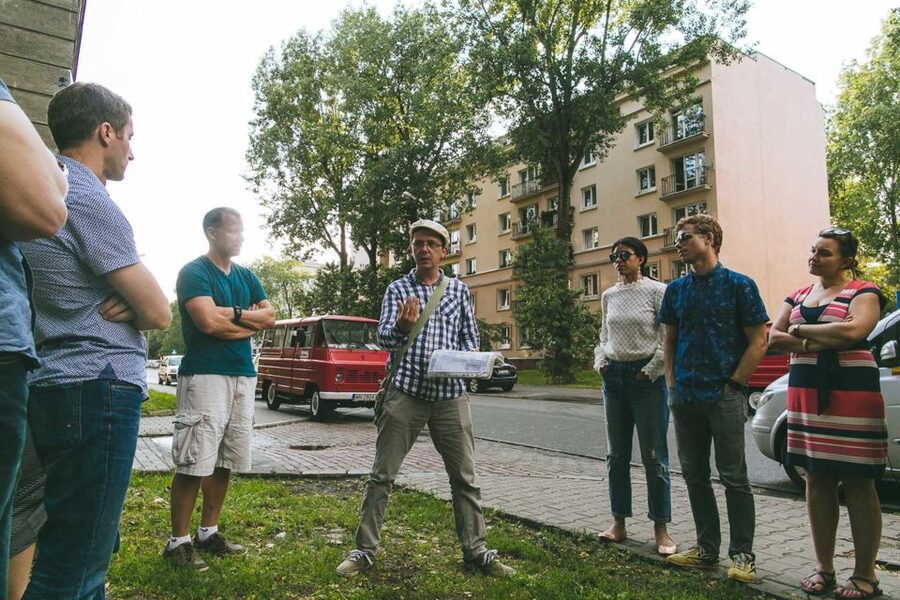
- Żuk retro minibus transport that feels instantly period-correct, not like a generic bus ride
- Private, hotel pickup service within 3 km of the city center, so you start easily and stay centered
- Major Cold War landmarks, including the Palace of Culture and Science and Constitution Square
- Everyday life stories focused on shortages, censorship, and a centrally planned economy
- Flexible stop choices, with guides sometimes adding extra context like church visits
- Small-capacity minibuses (up to 8 passengers each), which keeps the discussion comfortable
Entering communist Warsaw the moment you step into the Żuk
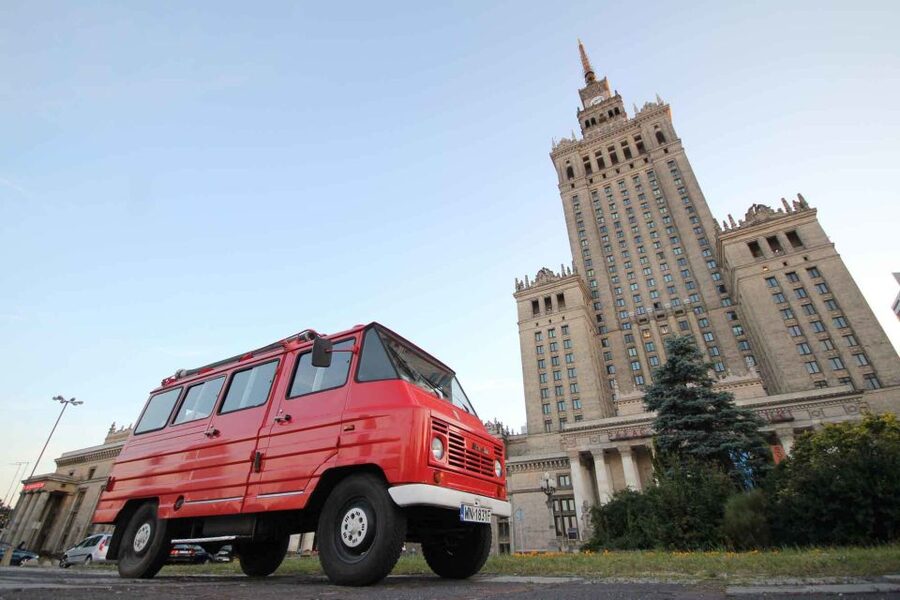
Warsaw under communism is the kind of subject where facts matter, but atmosphere matters more. The tour gets you there fast. Your ride is in a vintage Żuk minibus, a Soviet-era style vehicle associated with communist-era life in Poland. It is not just transportation. It sets your brain in the right gear before you ever see the first landmark.
The practical win is that this vehicle helps you cover more ground without feeling rushed. You are still going to step out and walk at each stop, but the ride keeps you comfortable enough to stay engaged for the full 3 hours.
More communist-era Warsaw tours:
- Private Tour: Warsaw’s Communist History by Retro Fiat
★ 5.0 · 115 reviews - Warsaw: Communism Tour in an Original Socialist Van
★ 4.9 · 75 reviews - Warsaw: Cold War Museum Entry Ticket
★ 4.6 · 55 reviews
Private means the pace is yours, not a timed checklist
The biggest value of a private format is simple: you are not forced to fit someone else’s interests. On this tour, you can ask follow-up questions as you go, and you can steer the conversation toward what you actually want to understand.
That flexibility comes through in the way the experience is described. The stops are built around major communist-era locations, but the guide has room to adjust pacing and emphasis. In past groups, guides like Martin have even added extra stops, including two church visits, to deepen the story in a way that feels natural rather than shoehorned.
You also get the benefit of a guide who can talk beyond dates and slogans. One review highlights that the guide was open to discussion not just about the past, but also about Poland’s present and future and even how it connects to the wider world. That is what makes the tour feel like more than a photo route.
Hotel pickup within 3 km, then a ride shaped by the city’s history
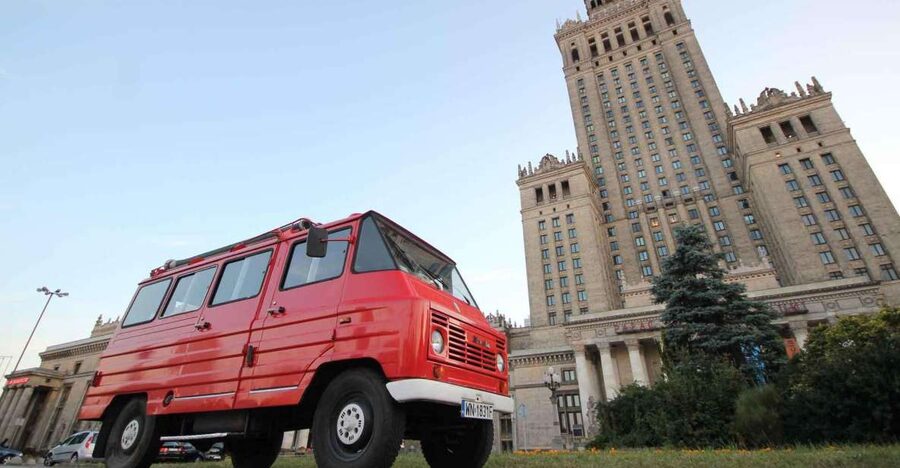
Your experience starts with hotel pickup and drop-off within a 3 km range from the city center. That matters more than you might think. Warsaw is a big, spread-out capital, and communism landmarks are not all clustered right in one tight square. Being picked up near your hotel means less friction and more time spent seeing the real places tied to the story.
Once you’re on the road, the guide builds context about how Warsaw was rebuilt after World War II. The city’s postwar recovery did not happen in a political vacuum. It followed socialist ideals, and that shows up in the scale, the symbolism, and the intended message of major public buildings.
Even if you only know a few basics about Poland’s 20th century, the tour gives you a thread you can hold. You move through the decades in a logical way, from the 1950s through the 60s and 70s, then forward into the 1980s changes and the first free elections in 1989 that marked the end of communist rule.
Palace of Culture and Science: power you can measure with your eyes
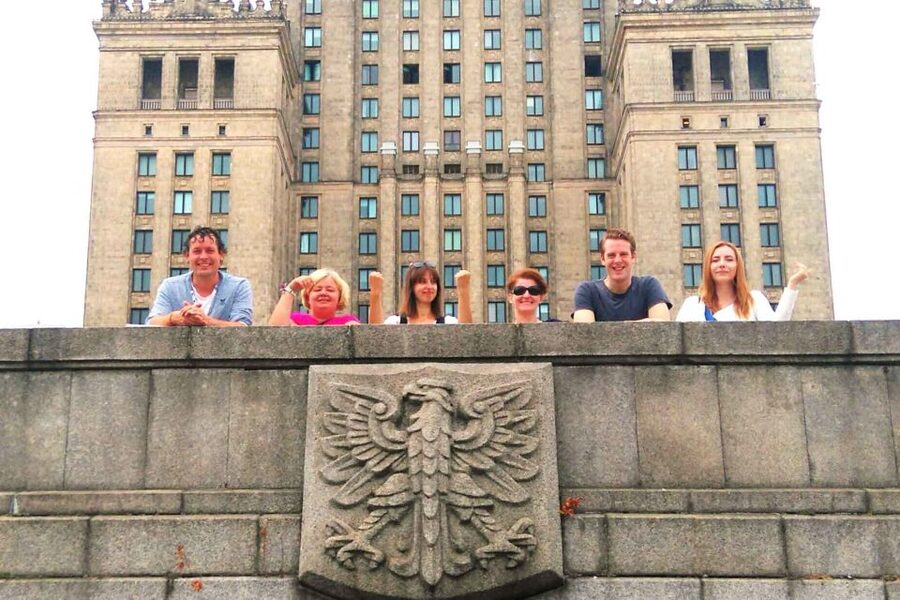
The Palace of Culture and Science is the kind of landmark that makes first-time visitors pause. It is huge. It was built as a statement, and the guide uses it to talk about ideology you can see in brick and scale.
Here is what makes this stop valuable: it is not treated like a standalone monument. You get the context for why buildings like this mattered. Under communism, the state wanted to shape daily life and public space. That meant using architecture as messaging, showing strength, modernity, and control.
Drawback to consider: if you are hoping for a museum-style, interior-focused experience at every stop, this particular outing is designed more around storytelling in the streets and exterior landmarks. You will walk some, but it is still a tour built around visual cues and explanation rather than deep indoor exhibits.
Other Warsaw tours to compare
- Private Tour: Warsaw City Sightseeing by Retro Fiat
★ 5.0 · 562 reviews - Warsaw: Warsaw Ghetto Private Walking Tour with Hotel Pickup
★ 4.9 · 369 reviews - Private Tour: Warsaw’s Jewish Heritage by Retro Fiat
★ 5.0 · 208 reviews - Private Historical Tour of Warsaw by a Retro Fiat with Pickup
★ 5.0 · 190 reviews
Constitution Square: when politics becomes public space
Constitution Square is another anchor point because it represents how the state organized collective life around its own narrative. The tour uses it to show how major political decisions and public power played out on the ground.
This stop is especially useful for you if you like learning how cities function, not just how governments used to act. Public squares are where ideology becomes visible in everyday behavior: where people gathered, where ceremonies happened, and where symbolism did the work that official words could not.
It also helps to set expectations. The tour runs 3 hours. That means you get strong coverage and clarity, not an all-day walk that wears you out. If you want a deeper architectural field guide, you might pair this with a self-guided follow-up afterward. But for a first pass, this is a smart use of time.
Former Communist Party headquarters: understanding control without guessing
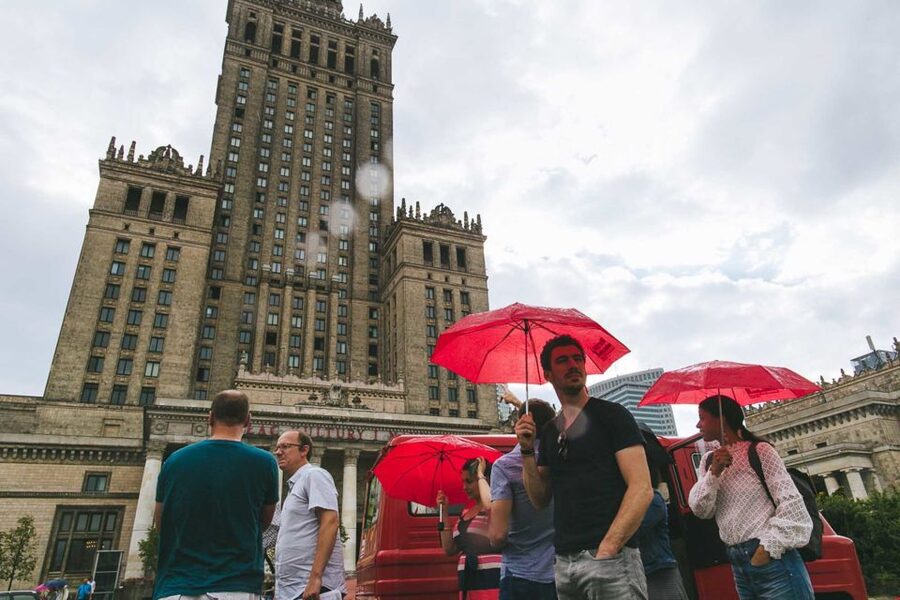
The tour also includes the former Communist Party headquarters, which is the sort of place that turns abstract concepts into something concrete. Even if you do not know the exact governance structure at the start, you will learn how decision-making power worked and why that mattered for everyday life.
The guide frames it in a way that connects back to the realities people lived with: shortages, censorship, and a centrally planned economy. The goal is not to overwhelm you with bureaucracy. The goal is to help you understand why daily routines felt different under the system.
If you care about how politics reaches into normal life, this is one of the stops that helps most.
Everyday life under communism: the parts that actually shaped a day
The landmarks are the visible side of the story. The tour’s real glue is what the guide explains about how daily life worked.
You’ll hear about:
- Shortages that affected what people could buy and how long they had to wait
- Censorship, including how information and public expression were controlled
- A centrally planned economy, where production and distribution followed state priorities
What I like about the way this is presented is that it goes beyond slogans. People did not just passively endure. They adapted. They relied on informal networks. They developed creative survival strategies. That is the human side that turns communism from a political label into something you can actually picture.
This is also where a good guide matters. In the reviews you’ll find praise for guides who are friendly, smart, and willing to discuss not just the past but the present. That makes the everyday-life stories feel less like a textbook and more like lived experience.
Walking segments and comfort tips that keep the tour enjoyable
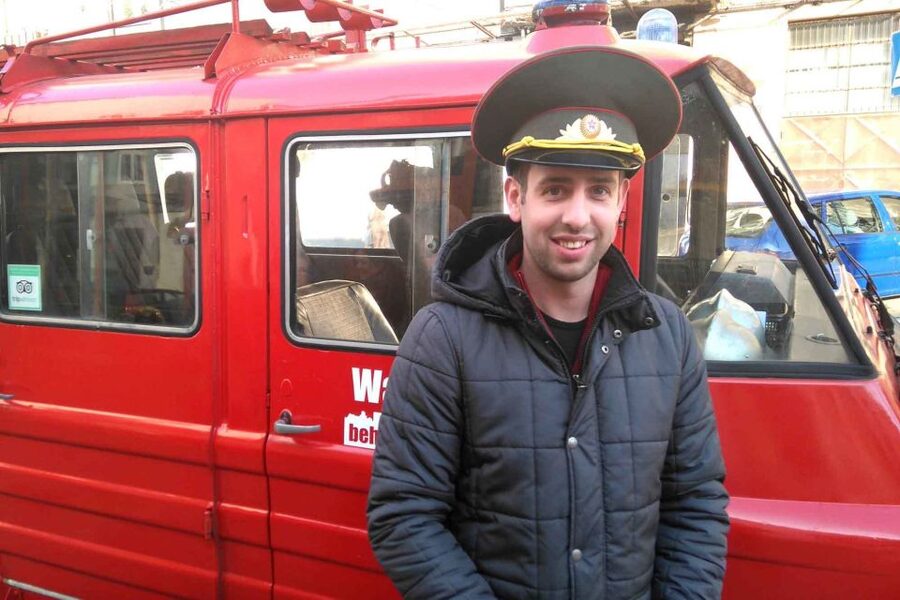
This tour uses transportation between locations, but it also includes walking at each stop. Classic vintage minibuses are used primarily for transfers, not for an all-driving experience.
So you should plan on:
- comfortable clothing
- suitable footwear
- weather-appropriate layers
Two specific comfort considerations based on the vehicle notes:
- No air conditioning in the retro minibuses, so warm weather can be warm
- Some vehicles may lack seat belts, though this is permitted for historic vehicles
The good news: the minibuses are equipped with heating for winter season. That helps a lot when you do not want your tour to end early because of cold hands and numb toes.
What the guide skill adds, and why some departures feel different
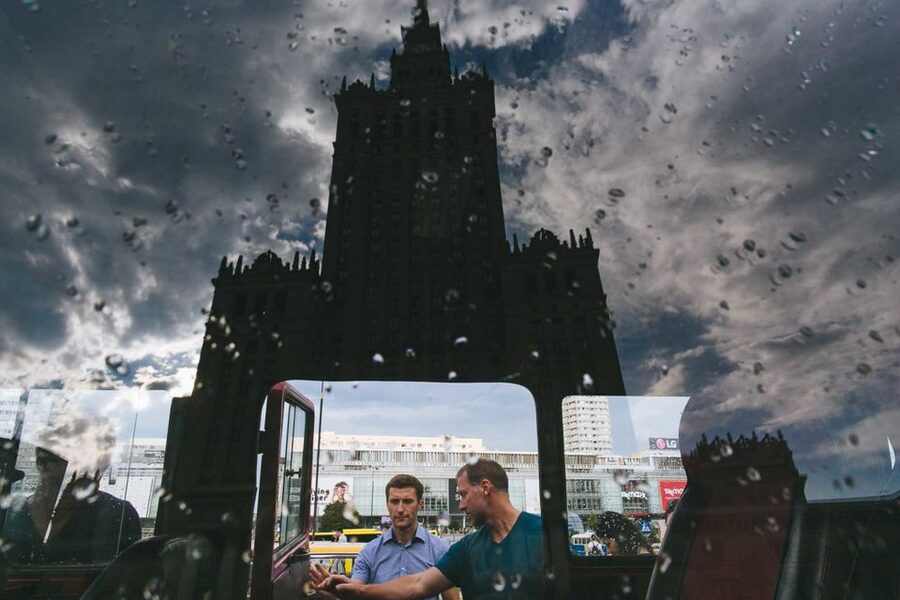
A private tour lives or dies by the guide. Here, the reviews point to a clear pattern: knowledgeable and communicative guides who can explain communism and Polish history in a way that is easy to follow, but also personal enough that it sticks.
Two examples from past bookings show how the experience can become more than a set script:
- Martin has added two extra church stops, giving more texture to the story along the route.
- Łukasz has been described as great, with a focus on smart, friendly guiding and open discussion.
For you, the practical takeaway is this: when the guide offers a small adjustment, it is usually because it fits the theme. If you want to lean harder into religion, culture, politics, or how people navigated daily constraints, this format can support it.
Value and price: is $165 per person worth it for 3 hours?
At $165 per person for a 3-hour private tour, you are paying for two things at once: expert guiding and convenience.
Convenience first. Hotel pickup and drop-off within 3 km is not a small detail. It removes the need to coordinate transport while also keeping you from wasting energy on getting between scattered landmarks.
Expert guiding second. Communism is not a simple story, and Warsaw has a specific visual language tied to that era. A good guide helps you connect what you see, what you hear, and what you should pay attention to. One review also highlights that it felt easy to go off the beaten track without having to ask, which suggests the guide was proactive about making the tour more meaningful.
Would I recommend it at full price? Yes, if you want an organized, story-based introduction in a limited timeframe. It is less ideal if you already know a lot and you plan to do a lot of independent reading and mapping on your own. But if you want clarity without doing the homework first, this price feels fair for the combination you get.
Who this tour suits best
This tour is a strong fit if you:
- want a focused introduction to communist-era Warsaw in just 3 hours
- enjoy asking questions and getting straight answers
- prefer a guide who connects politics to daily life, not just dates
- like learning through visual landmarks plus real-world context
It may be less ideal if you:
- want air-conditioned comfort above all else
- need a fully seated, minimal-walking experience
- are traveling with a child who is under 150 cm without confirming booster availability first
One more note: unaccompanied minors are not allowed, so plan accordingly for family groups.
Should you book this Warsaw communism tour?
If you are trying to understand communist Poland beyond headlines, book it. The mix of a retro Żuk minibus atmosphere, key landmarks like the Palace of Culture and Science and Constitution Square, and the focus on everyday life makes it more than sightseeing.
I’d especially recommend it if you like tours that feel conversational. The best feedback from past departures centers on guides who were friendly, smart, and genuinely willing to discuss the past and its links to today. That is the kind of guidance that helps the experience stay with you after you leave the city blocks behind.
If you can handle mild discomfort from lack of air conditioning and some walking, you will likely find this is a very efficient way to get oriented in Warsaw’s communist era without feeling like you are memorizing a timeline.
FAQ
How long is the Warsaw private communism tour?
The tour lasts 3 hours.
Is hotel pickup included?
Yes. Pickup and drop-off are included for hotels within a 3 km radius from the city centre.
What vehicle do you use during the tour?
You travel by a retro Communist-era Żuk minibus.
Is the tour private or shared?
It is a private group tour.
What language is the guide?
The live guide is English.
Are food and drinks included?
No. Food and drinks are not included.
Is there air conditioning on the minibus?
The vehicles are not equipped with air conditioning. Heating is available for winter season.
Can children join the tour?
Adults and children over 150 cm can book. If a child is under 150 cm, seat boosters are mandatory under Polish law, so you should contact the operator in advance to check availability.
Recently added in Warsaw
- Warsaw: Wolf’s Lair & Swieta Lipka Small-Group Tour + Lunch★ 5.0 · 3 reviews
- World War II Warsaw Old Town, Military Cemetery Walking Tour★ 4.7 · 3 reviews
- Warsaw Wolf’s Lair with St. Lipka and Mamerki Private Guided★ 4.2 · 3 reviews
- Warsaw Zoo Skip-the-Line Entry Ticket with Private Transport★ 4.8 · 3 reviews
- Warsaw: Vodka Tour★ 4.4 · 18 reviews
- Wilanów Palace: 2-Hour Guided Tour with Entrance Tickets★ 4.8 · 8 reviews
- Warsaw Uprising and WWII Old Town Walking Tour with Museum★ 4.7 · 15 reviews
- Warsaw: Private Vodka Tasting Night with Snacks and Pickup★ 5.0 · 7 reviews
Other Communist-Era Warsaw Tours
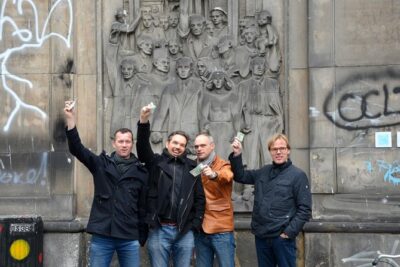
Private Tour: Warsaw’s Communist History by Retro Fiat
Read our review →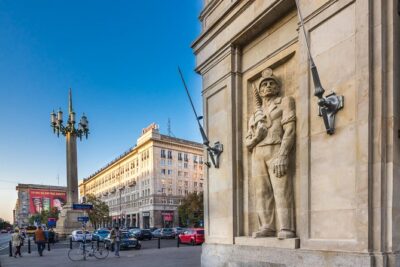
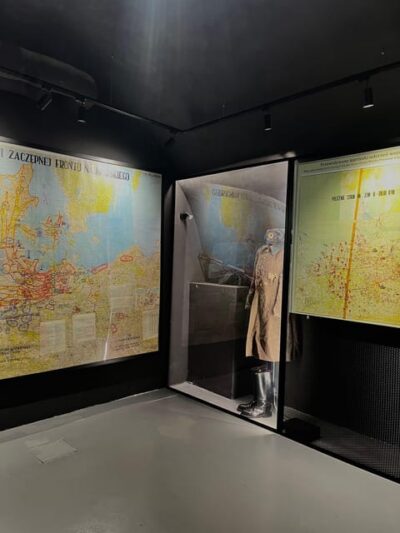
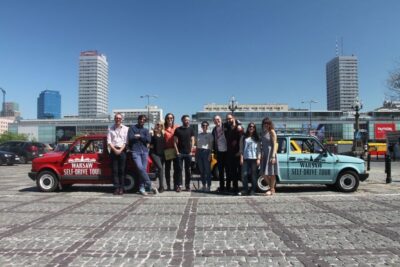
Life Behind the Iron Curtain Warsaw Walking Tour
Read our review →Life Behind the Iron Curtain Warsaw Walking Tour
Read our review →
Browse the lists this tour appears in