
Reviewed · WARSAW GHETTO & JEWISH HERITAGE
Warsaw: 2-Hour Tour of Daily Life in the Ghetto Warsaw
Warsaw’s Warsaw Ghetto story is heavy, but this tour makes it easier to follow because you see real ground and hear how daily life worked under impossible pressure. You cover key locations tied to the ghetto’s destruction and to the famous fictional lens of The Pianist, without turning it into a vague lecture.
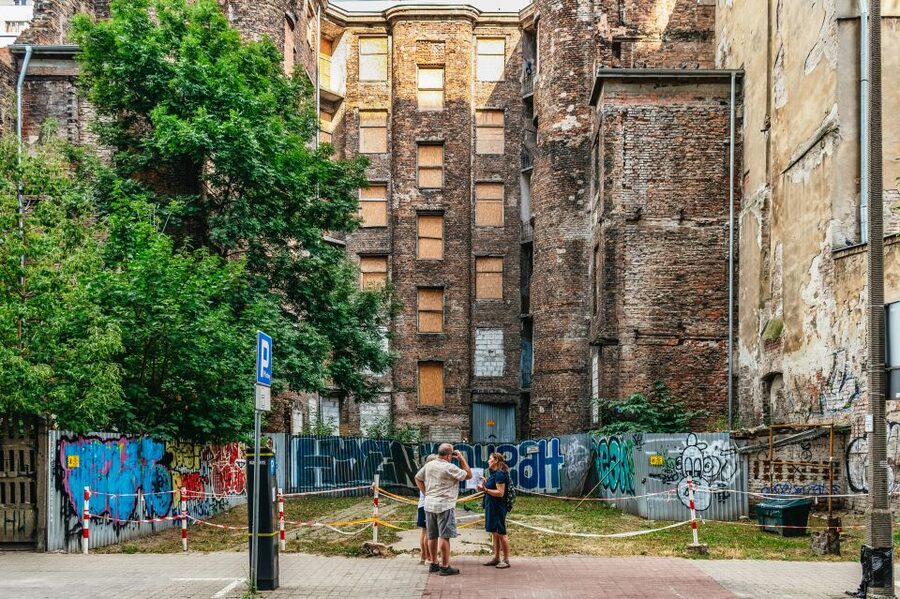
I really like two things here. First, the tour focuses on everyday survival, not just dates and tragedy, so you understand how people tried to solve basic problems inside a sealed area. Second, the guide also points out physical remnants you can still recognize on the streets, including the preserved last street area, ghetto wall remains, and the spot linked to the Footbridge on Chłodna Street. In my favorite moment, our guide Marzena explained details clearly and calmly, and she stayed responsive to questions in a way that kept the atmosphere attentive.
One thing to consider before booking: this is not a casual history walk. It moves through sites connected to mass death and deportation, and it is not suitable for children under 12.
Key tour takeaways before you go
- Daily-life focus: how people coped with hunger, disease, and constant danger
- Real places you can still locate: last street areas, ghetto wall remains, and meaningful building sites
- Mila 18 and the Footbridge area: stops tied to the uprising story and a place name from The Pianist
- Umschlagplatz context: understanding what was happening when people were selected for transport
- The Underground Archive story: Oneg Shabbat, preserved documents, and UNESCO Memory of the World
- Ending near the Jewish Museum: a smart add-on if you want more depth
Walking the Last Street Areas: how “daily life” becomes understandable
A good ghetto tour should do more than list horrors. This one helps you connect the human scale to the geography. In 1940, the Nazis created the Warsaw Ghetto in the city center, concentrating around 460,000 Jews from Warsaw and nearby areas into just four square kilometers. The numbers you hear can feel abstract until you walk the streets and see what was left.
What you’ll notice right away is the guide’s rhythm. The stops are short, and the stories land on practical realities: overcrowding, hunger, illness, and the constant threat of being targeted. You start to grasp that “daily life” included compromises, bribery, fear, and moments of resistance that were not heroic movie scenes, but real choices made under pressure.
You also get a sense of how restricted movement shaped everything. When space shrinks, every decision changes. Even when the ghetto itself is gone, the tour teaches you how to read the city like a map of what happened there.
More Jewish heritage walks in Warsaw:
- Warsaw: Warsaw Ghetto Private Walking Tour with Hotel Pickup
★ 4.9 · 369 reviews - Warsaw: Jewish History Guided Walking Tour in English
★ 4.7 · 324 reviews - Private Tour: Warsaw’s Jewish Heritage by Retro Fiat
★ 5.0 · 208 reviews
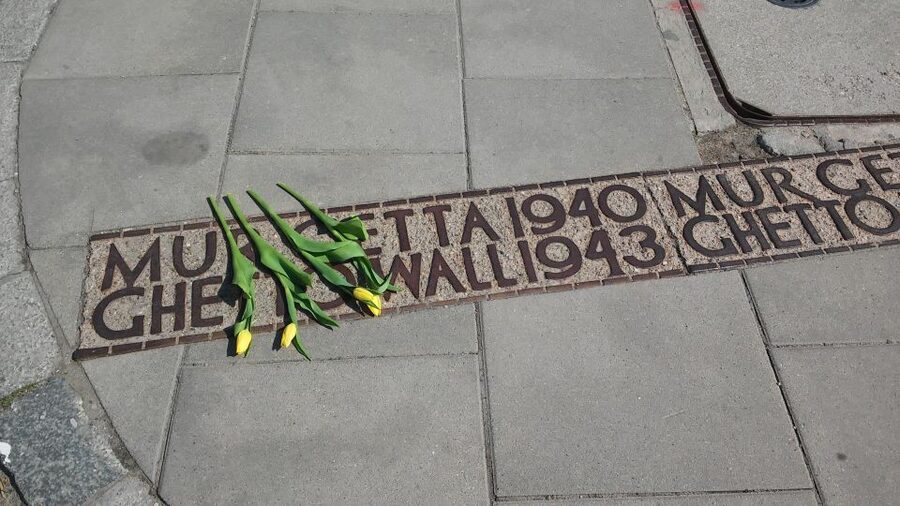
The ghetto wall remains and the preserved street: reading the city like a witness
One of the most valuable parts of this tour is how it uses physical traces. You’ll explore remains tied to the ghetto boundary, including the ghetto wall remains. You’ll also see the last preserved street connected to life inside the ghetto.
Standing near remnants is not comfortable, but it is clarifying. It helps you understand why the ghetto felt sealed and why escape was so hard. It also makes the timeline feel less like a story in a book and more like a series of decisions that gradually tightened people’s options.
A practical tip: take a slow walk. If you rush the street sections, you miss the way the guide shows you where key points connect. This is one of those tours where the pauses matter as much as the movement.
One surviving synagogue: why this stop carries so much meaning
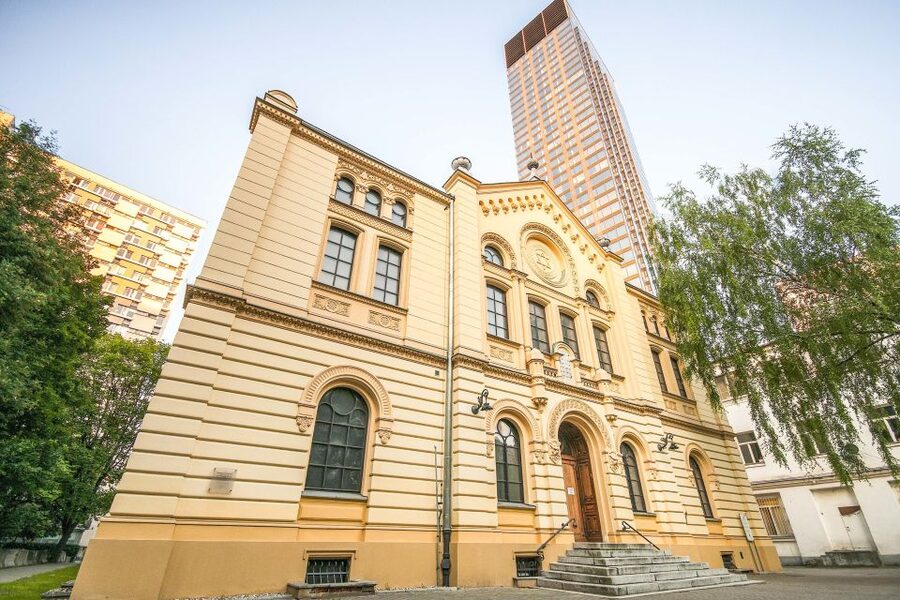
The tour includes a stop at the only synagogue connected to the Warsaw Ghetto that survived. Even without getting overly technical, you can feel why this matters. Synagogues were not just religious sites, they were community anchors, places where language, routine, and identity survived even when everything else was stripped away.
In a visit like this, a surviving building works like a time marker. It reminds you that people were not just victims in a diagram. They were neighbors who gathered, argued, prayed, and carried on culture even while conditions destroyed lives.
If you’re planning museum time afterward, this synagogue stop also prepares you. It gives you a frame for understanding later discussions about documentation and memory, including how the ghetto’s story was recorded and preserved.
Mila 18 and the Footbridge over Chłodna Street: where the uprising story becomes local
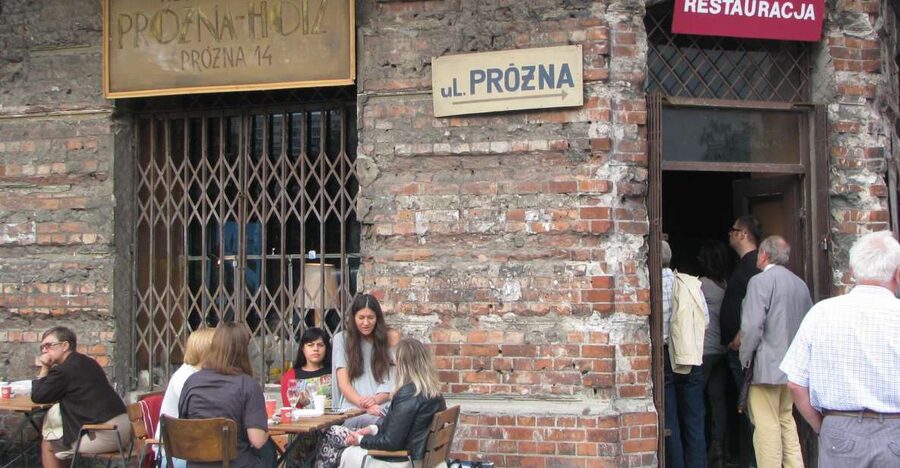
Some places are famous because of what happened there. Mila 18 is one of them, and the tour takes you to the location linked to it. This stop ties directly to the uprising in 1943, when resistance rose in response to Nazi plans to totally liquidate the ghetto.
The tour also includes the former location area of the Footbridge over Chłodna Street. That sounds like a small detail, but it’s the kind of detail that makes history feel grounded. A footbridge implies daily routes, small transitions in movement, and the idea that even in a locked-down space, people still moved and navigated.
And then, the guide connects these spots to the broader cultural memory of The Pianist. You’re not just watching a story unfold in a film. You’re standing near places that helped shape how that story came to be told.
A consideration: if you are sensitive to the emotional weight of uprising and deportation themes, give yourself a moment to breathe at each stop. The tour moves through serious material, but a thoughtful pace helps.
Other Warsaw tours to compare
- Warsaw: 2-Hour Guided Segway Tour
★ 4.8 · 34 reviews - Warsaw: 2-Hour Chopin’s Life Walking Tour
★ 5.0 · 19 reviews - Warsaw: 2-Hour Praga Walking Tour
★ 4.5 · 18 reviews - Warsaw: 2-Hour Old Town Walking Tour
★ 5.0 · 17 reviews
Umschlagplatz: understanding the machinery behind deportations
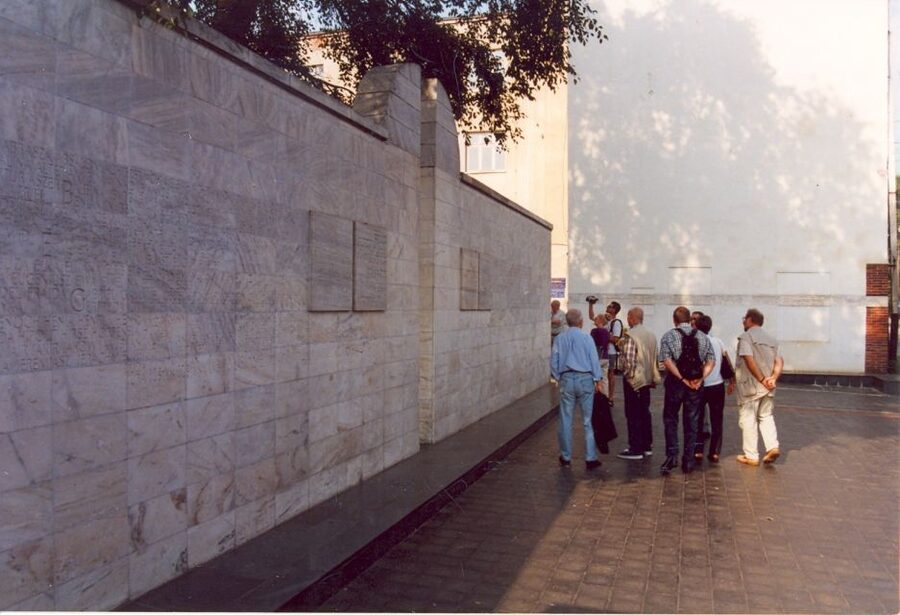
Next comes Umschlagplatz, a location you can’t treat as background. This is where over 300,000 people were sent away to the Treblinka extermination camp after the ghetto was created and later after the situation worsened.
You don’t need extra dramatics here. The guide’s job is to explain the system and the sequence of decisions, so you understand how deportation became an administrative process as well as a physical one. Hearing how people faced exhaustion, hunger, and disease helps explain how the transports were possible at all, and why the ghetto’s population was so vulnerable.
This is also where you may feel a shift from “daily life survival” to “life ending.” The tour does this in a controlled way, but you will still feel the contrast, because the contrast is real.
The Underground Archive and Oneg Shabbat: why documentation mattered
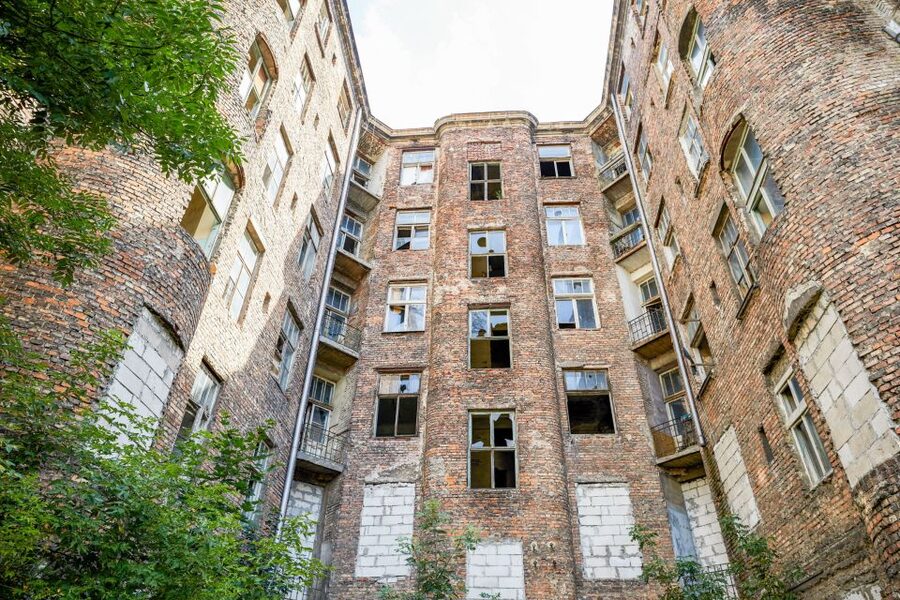
One of the most interesting parts of the tour is the story behind the Underground Archive of the Warsaw Ghetto and the secret organization Oneg Shabbat. The guide explains that the archive documented ghetto life and survived the war in metal cases and milk cans. It later entered the UNESCO Memory of the World register.
This matters because it changes what you think you are doing on this tour. You’re not only learning what happened. You’re learning how the evidence survived. That shift makes your visit feel more responsible.
It also gives you a direct answer to a question many people carry after learning about mass atrocity: how do we know the small details? Here, you get a pathway. The archive was built from the ground up, by people who understood that their lives needed a record.
If you care about primary sources, or if you want your trip to include more than a guided highlight reel, this part alone is worth the time.
Monument symbolism and the Museum of the History of Polish Jews: plan your follow-up
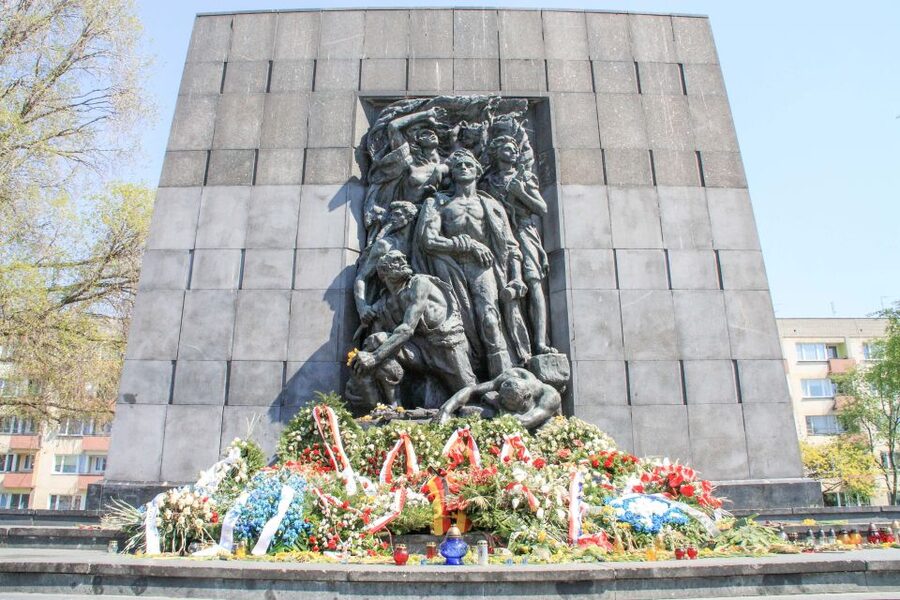
The tour includes references to the symbolism of the Monument to the Ghetto Heroes, along with context around the ghetto’s legacy. You also learn how the Museum of the History of Polish Jews fits into the bigger picture of memory and education.
The tour typically ends at the Jewish Museum. If you want the fullest experience, plan at least 2.5 hours for the core exhibition. The museum opening hours vary by day, with Tuesday closed, and different last entrance times for the other days. If you arrive after your entry window, you may feel rushed, and that is the last feeling you want in a place like this.
One practical note: during the walking portion, entrance to sites and guided options linked to the museum are offered. Entrance fees are not included in the tour price, so factor that into your budget if you decide to go deeper inside.
Pricing and value: is $76 for 2 hours a fair trade?
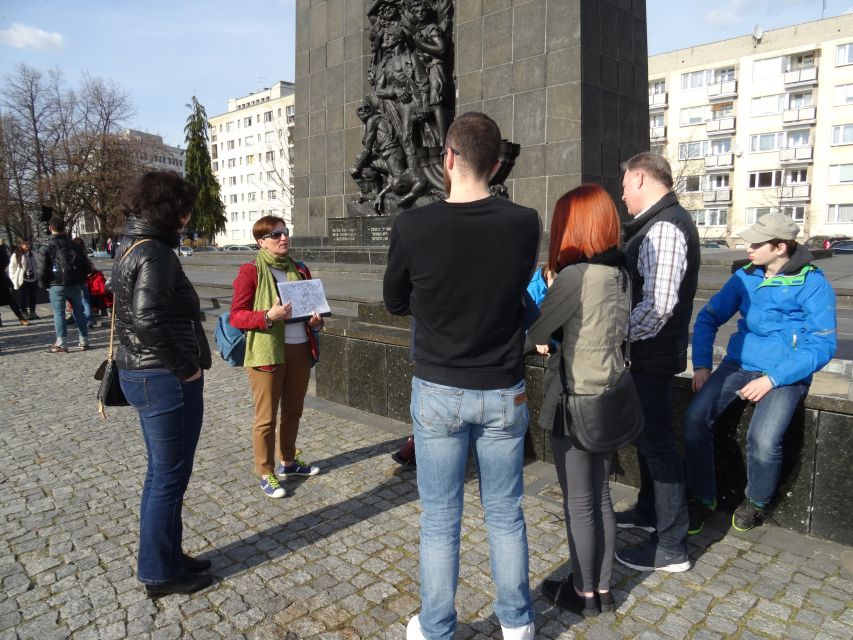
The price is $76 per person for a 2-hour guided experience. That might feel high if you compare it to generic “walking tours,” but this tour is not generic.
You are paying for three things that usually cost extra in Europe. You get a licensed guide, headsets for groups up to 20 people, and a tightly focused route through meaningful ground points. The content is also specialized: daily life under the ghetto system, the uprising context, and the documentation story with UNESCO recognition.
Also, this tour is structured to help you avoid the worst kind of museum regret, which is arriving without a framework. After walking through the sites, the museum makes more sense, and you can ask better questions when you’re inside.
If your schedule is tight, 2 hours is a manageable commitment. If your goal is deep understanding, you’ll likely want the museum afterward, which turns this into a half-day learning block.
Who this tour is best for, and who should skip
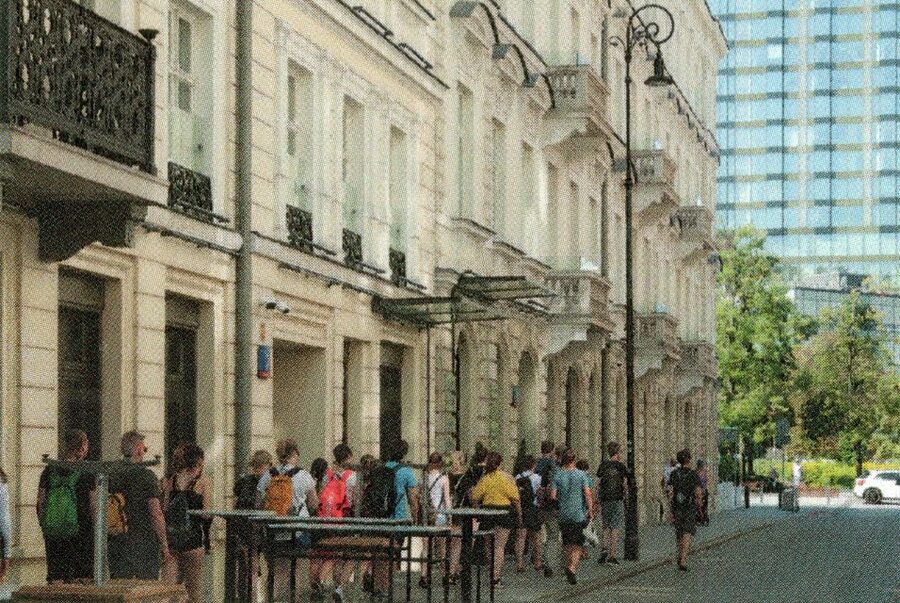
This tour is a strong fit if you want something real on the ground and you like to learn through context. It works well for solo travelers and couples, and it suits small groups too because headsets keep you connected even in busy areas.
You should also consider it if you’ve seen The Pianist and want the location side of the story. The tour includes real places linked to the main hero’s world as portrayed in that narrative, which helps you connect film memory to actual geography.
It may not be the right fit if you’re traveling with children under 12, since it is not suitable for that age group. It also might feel overwhelming if you have limited emotional tolerance for intense topics like deportation and mass death.
Logistics, pace, and comfort: what affects your experience
The tour is conducted on foot combined with public transport. That matters because the walking time and street surfaces can affect comfort, especially if it’s cold or rainy. Wear shoes you trust for city sidewalks.
There are also a few “keep it simple” rules: no pets, no oversize luggage, no smoking, and no alcohol or drugs. If you show up with a large bag, you may be turned away from the kind of guided experience you want, so pack light.
Language options are English and German, and you’ll get a live guide. If you care about clear explanations, this is an important detail, because the guide’s clarity is part of what makes the tour feel respectful and structured.
Should you book this Warsaw Ghetto 2-hour tour?
I’d book it if your goal is to understand the Warsaw Ghetto through the lens of daily life and survival, then connect that understanding to the physical places that remain. The $76 price feels fair when you consider licensed guidance, headsets, and the route through the strongest key sites like Mila 18 and Umschlagplatz.
I would only hesitate if you are traveling with children under 12 or if you know you struggle with heavy historical material. In that case, you can still have a meaningful visit to the museum, but this specific walk through the ghetto sites may be too intense.
If you do book, plan your timing so you can continue at the Jewish Museum afterward without rushing. This tour works best as a foundation, and the museum is where that foundation pays off.
FAQ
How long is the Warsaw: 2-Hour Tour of Daily Life in the Ghetto Warsaw?
The tour lasts 2 hours.
How much does the tour cost?
It costs $76 per person.
Where do I meet the guide?
You meet at the meeting point where the guide is waiting with a sign that says PolinTours.
Is the tour walking only?
No. It is conducted by foot combined with public transport.
What languages are offered for the live guide?
The tour is available in English and German.
Is the Jewish Museum included, and how much time should I set aside?
The tour usually ends at the Jewish Museum. The tour information recommends planning at least 2.5 hours to visit the core exhibition.
Are entrance fees included in the price?
Entrance fees are not included.
Are headsets provided?
Yes. Head sets are included for groups up to 20 people.
Is the tour suitable for children?
No. It is not suitable for children under 12.
What is the cancellation policy?
You can cancel up to 24 hours in advance for a full refund.
Recently added in Warsaw
- Warsaw: Wolf’s Lair & Swieta Lipka Small-Group Tour + Lunch★ 5.0 · 3 reviews
- World War II Warsaw Old Town, Military Cemetery Walking Tour★ 4.7 · 3 reviews
- Warsaw Wolf’s Lair with St. Lipka and Mamerki Private Guided★ 4.2 · 3 reviews
- Warsaw Zoo Skip-the-Line Entry Ticket with Private Transport★ 4.8 · 3 reviews
- Warsaw: Vodka Tour★ 4.4 · 18 reviews
- Wilanów Palace: 2-Hour Guided Tour with Entrance Tickets★ 4.8 · 8 reviews
- Warsaw Uprising and WWII Old Town Walking Tour with Museum★ 4.7 · 15 reviews
- Warsaw: Private Vodka Tasting Night with Snacks and Pickup★ 5.0 · 7 reviews
Other Warsaw Ghetto & Jewish Heritage Tours
Warsaw Ghetto Private Walking Tour with Hotel Pickup
Read our review →
Private Tour: Warsaw’s Jewish Heritage by Retro Fiat
Read our review →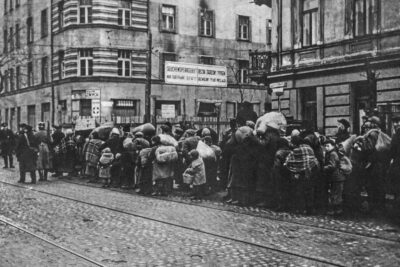
Ghetto, Jewish Cemetery & POLIN Museum Private Tour
Read our review →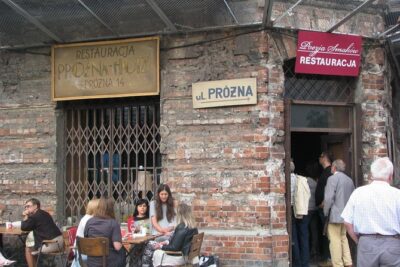

Browse the lists this tour appears in