
Reviewed · WARSAW GHETTO & JEWISH HERITAGE
Warsaw: Jewish Heritage 4-Hour Private Tour
Warsaw’s Jewish Heritage tour is interesting because it moves through real streets and memorial sites, not just a museum timeline. You’ll follow a trail of Jewish monuments that connects prewar Jewish Warsaw to the Holocaust sites you cannot forget. I especially like how the route treats architecture and street layout as evidence, not scenery, and it brings you to Umschlagplatz with the names and stories that belong there. One possible drawback: the subject matter is heavy, so you should be ready for emotional stops and a slower pace where you need it.
What also makes this tour worth your time is the mix of remembrance and living cultural context. I like that you get the Jewish Cemetery on Okopowa Street, including well-known burials like Ludwik Zamenhof and writer Ischok Leib Perec, plus the symbolic grave of Janusz Korczak. And because it’s private, your guide can adjust the pace to your questions, which is a big deal when a tour is both history and human stories.
Key highlights at a glance
- Umschlagplatz stop with the names of victims engraved on the memorial structure
- Ghetto Heroes area and a focus on the 1943 Uprising and the people who fought back
- The Jewish Cemetery (Kirkut) on Okopowa Street, one of the largest in Europe
- Korczak memorial moment honoring the protector of children murdered in Treblinka
- Footbridge of Remembrance on Chłodna Street linking the former small and large ghetto areas
- Nożyk Synagogue and surviving Jewish architectural presence in Warsaw
Walking the Warsaw Jewish Heritage trail in 4 hours
This is a focused, street-level tour that works because it keeps you moving but still gives each place room to land. In four hours, you’re not trying to cover every synagogue or every historical document. Instead, you get the key points where Warsaw’s Jewish story becomes physically visible, from ghetto boundaries to memorial routes.
I like this format because it’s practical. You see where things happened, you learn what those places meant, and you can then keep exploring on your own with better context. You’ll also be with a guide in a private group, not squeezed into a large crowd, which makes questions and clarifications feel natural rather than rushed.
More Jewish heritage walks in Warsaw:
- Warsaw: Warsaw Ghetto Private Walking Tour with Hotel Pickup
★ 4.9 · 369 reviews - Warsaw: Jewish History Guided Walking Tour in English
★ 4.7 · 324 reviews - Private Tour: Warsaw’s Jewish Heritage by Retro Fiat
★ 5.0 · 208 reviews
Hotel pickup and how the pacing actually works
Your guide meets you at your hotel lobby with your name, so you avoid the usual start-up hassle of figuring out where to gather. Transportation is included, which matters in a city where distances and routes can eat time fast. Even with transit built in, you’ll spend a good chunk of the experience walking between memorial and heritage points, so comfortable shoes help.
The tour runs for four hours, which is long enough to create a narrative arc. It also means you will have fewer “wait, what am I looking at?” moments because the guide keeps connecting stops back to the same core story: Jewish life in Warsaw, the ghetto, and the people who resisted and were murdered.
Monument Route: from ghetto history into the streets
The tour is built around following the story of the Jewish community through key sites tied to the Holocaust and Warsaw’s Jewish quarters. You’ll hear how prewar Warsaw was one of the biggest centers of Jewish culture in Europe, with Jewish traditions visible in everyday life, buildings, art, and literature.
Then the emphasis shifts to the ghetto era, including the Monument to the Ghetto Heroes, which commemorates those who fought and died in the Warsaw ghetto. This isn’t presented as a vague chapter in a book. You walk in a way that makes the geography feel real, and you learn how the Warsaw ghetto uprising of 1943 unfolded against overwhelming Nazi power.
A detail I think you’ll appreciate is that the guide connects the uprising to the broader idea of “martyrdom and struggle.” As you move along the memorial route, you’ll notice commemorative stones tied to important figures in ghetto history. That turns the streets into a timeline you can actually read.
Umschlagplatz: the stop that turns history into names
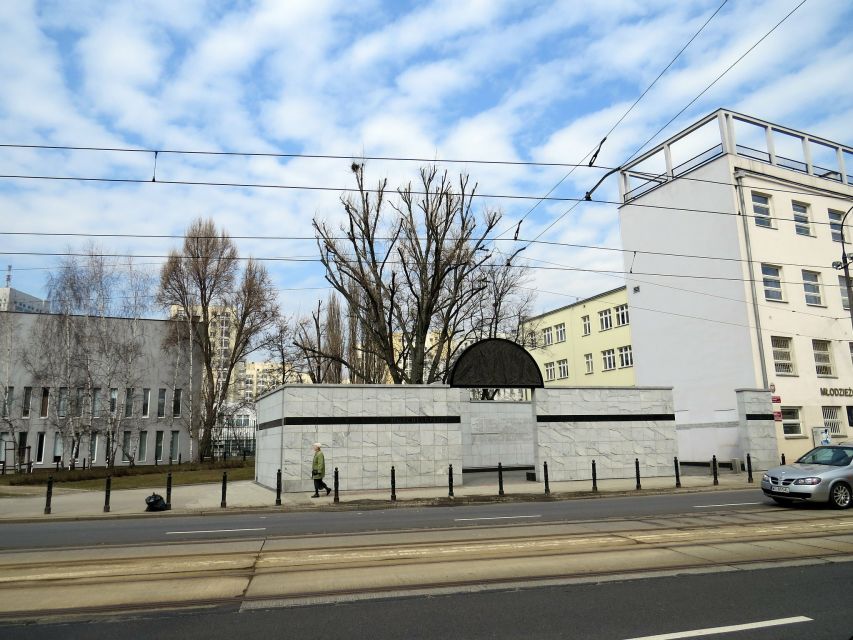
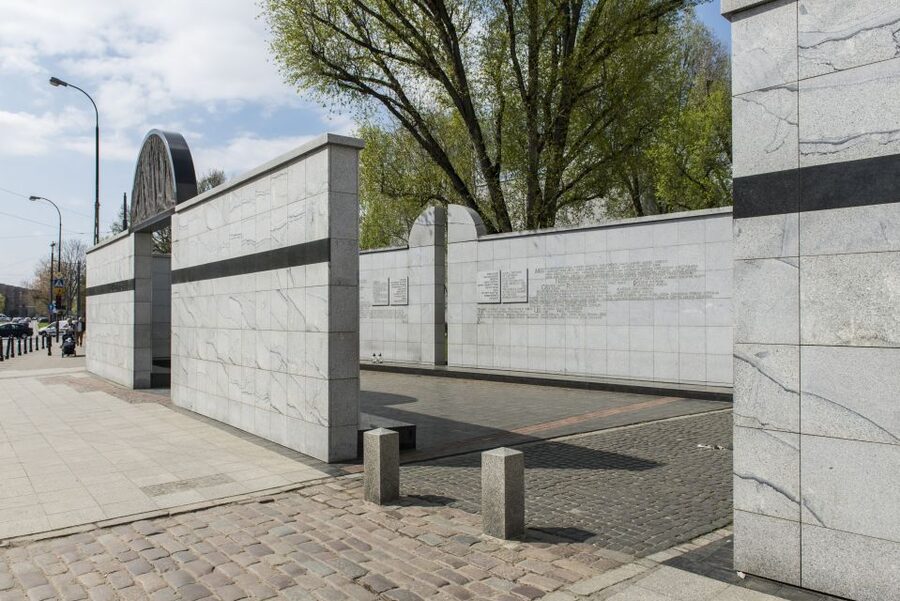
Umschlagplatz is the emotional anchor of the tour. You stop at the monument and take a moment in remembrance for those who were sent to extermination camps and never returned. The memorial design is specific and intentional: the shape is meant to echo the ghetto walls and a railway wagon, so the message lands in form as well as text.
You’ll also learn that more than 400 names of victims are engraved on the memorial. That fact changes the feel of the stop. It’s no longer just about dates and broad events, it’s about individuals, recorded in stone.
If you’re the type who needs a minute to process, build that time in your head. This is the kind of site where it’s easy to rush yourself. A good guide will pace you, and on past tours the guides running this experience have been praised for being respectful and attentive to where people are mentally during the difficult parts.
More historical tours in Warsaw:
- Warsaw: POLIN Museum of the History of Polish Jews Ticket
★ 4.7 · 1,142 reviews - Warsaw: Chopin Concert at Historical Venue in Old Town
★ 4.7 · 445 reviews - Small-Group Historical Guided Tour of Warsaw with pick up/drop off. Public Tour.
★ 4.5 · 343 reviews - Warsaw: Warsaw Historical Group Tour with Pickup & Drop-Off
★ 4.6 · 233 reviews
The Ghetto Heroes monument and the 1943 uprising story
Next you focus on the Monument to the Ghetto Heroes and the meaning behind it. This stop helps you understand why resistance mattered even when success was unlikely. The tour’s explanation of the 1943 Uprising is grounded in what the people faced, including heavy artillery and dive bombers of the Nazis.
I like that the tour treats the uprising as both courage and tragedy. It’s not told as a film script, it’s framed around real stakes and a community under impossible pressure. You also get context around the ghetto area itself, so the uprising doesn’t feel like it happened in a vacuum.
There’s a good chance you’ll walk away thinking about the word hero in a more human way. Not glamorous. Not distant. It means someone choosing to fight back when the system was designed to crush everyone.
Chłodna Street and the Footbridge of Remembrance
Chłodna Street is where the ghetto geography becomes visible in everyday space. You’ll go to the Footbridge of Remembrance, a pedestrian crossing over Chłodna Street that connects the former small and large ghetto areas.
Today the bridge area includes a multimedia art installation that reminds visitors of the tragic events tied to this location. The value here is the contrast. You see a functional bridge in a working city, then you understand that it once sat inside a world of confinement and violence.
The tour also helps you recognize physical traces of the ghetto. You’ll stop at fragments of the Jewish Ghetto wall and look for iron slabs set into the pavements marking the boundaries of the former ghetto. Those small details are powerful because they tell you you are standing where the border actually existed.
Okopowa Street: the Jewish Cemetery, Korczak, and Nożyk Synagogue
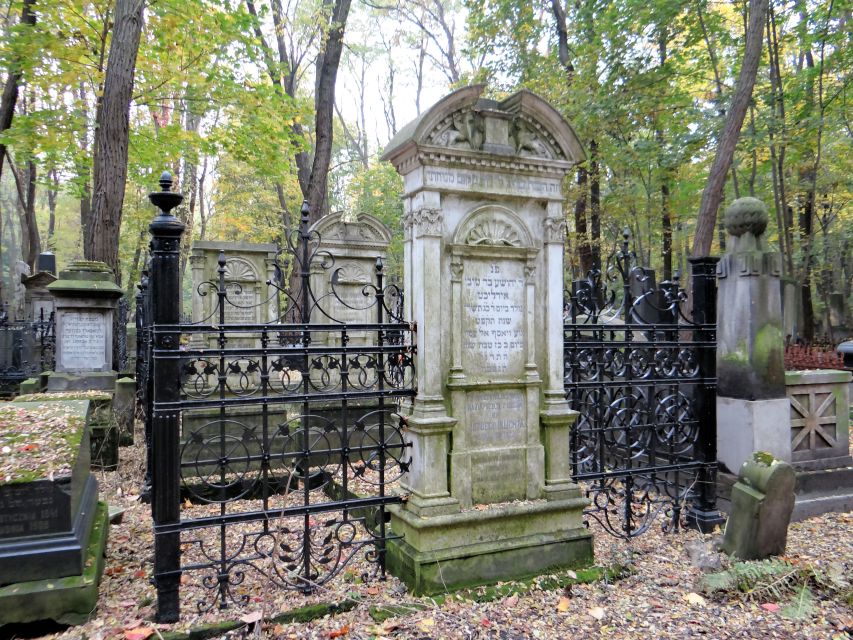
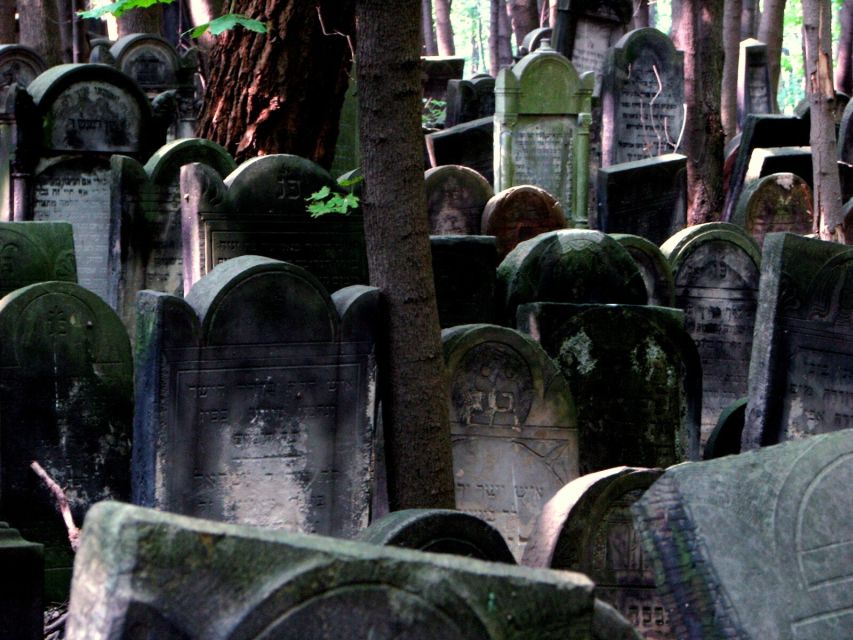
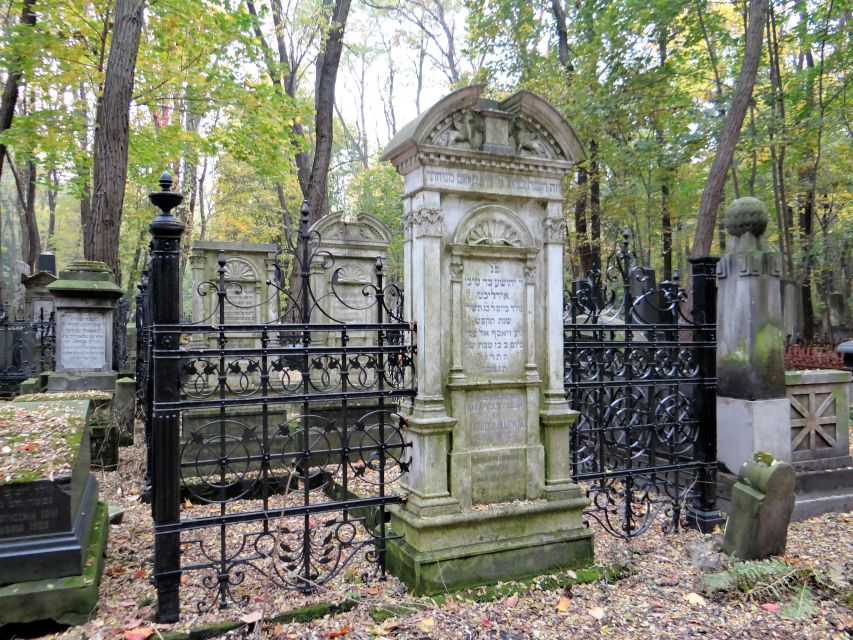
Okopowa Street is one of the biggest highlights because it holds both monumental scale and intimate grief. You’ll explore the Jewish Cemetery, one of the largest Kirkuts in Europe, and you’ll learn that many prominent people are buried there.
Two names the tour specifically calls out are Ludwik Zamenhof, founder of the Esperanto language, and writer Ischok Leib Perec. Seeing those connections helps you understand something important for Warsaw: Jewish heritage here isn’t only about tragedy, it also includes influence in language, writing, and world culture.
You’ll also stop by the symbolic grave of Janusz Korczak. The tour explains his role as the protector of children, and that he was murdered in Treblinka along with the children in his care in a gas chamber. This is another moment where the guide’s tone and pacing matter, because it’s easy to become numb or too fast when the information is intense.
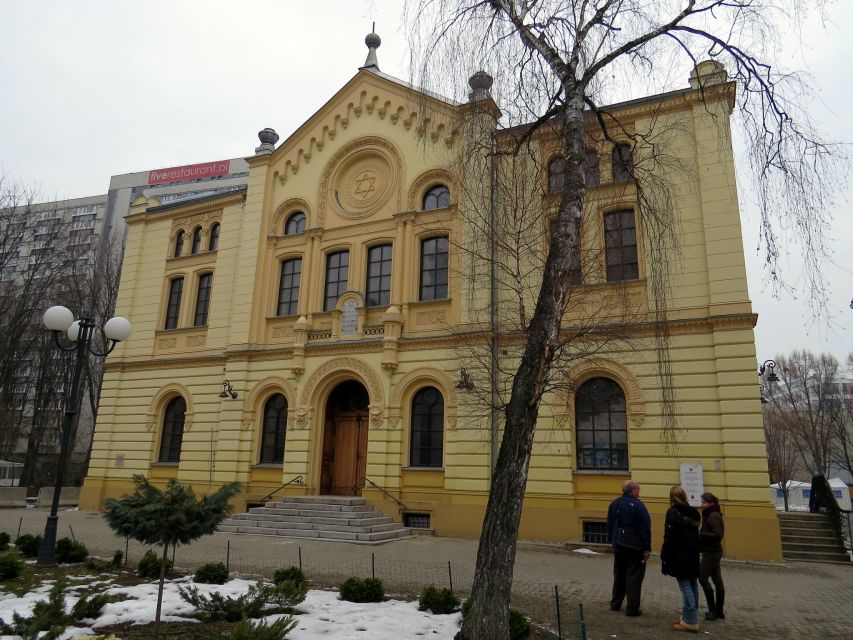
Finally, you’ll see Nożyk Synagogue, built in the Neo-Romanesque style. The standout point is that it survived the Holocaust period, which means you’re not only looking at memorials. You’re also looking at surviving Jewish architectural presence in Warsaw.
Próżna Street atmosphere and what to do if you want more
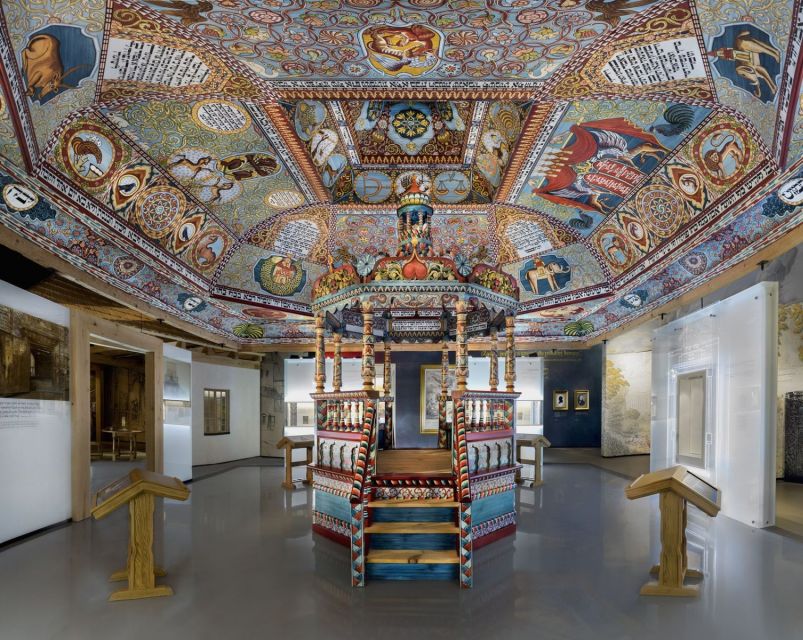
The tour doesn’t keep you trapped in ghetto memory only. You also go to Próżna Street, where the atmosphere of Jewish Warsaw has been preserved. It’s an important shift because it reminds you that Jewish life in Warsaw wasn’t just a before-and-after story. There was a daily rhythm, community institutions, culture, and street life.
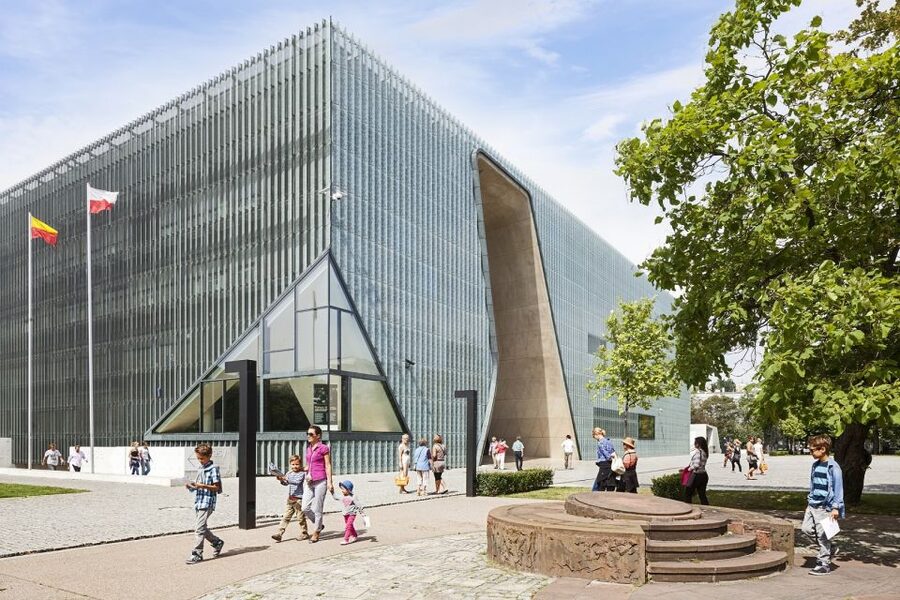
If you have more time, you can extend your day with the POLIN Museum of the History of Polish Jews. The tour experience is designed to give you enough background to make a museum visit feel more personal and less confusing. Even if you do not add POLIN, the heritage route leaves you better equipped to explore nearby areas independently.
Price and value for a private 4-hour guide
At $42 per person for a four-hour private tour, this is fairly priced for what you get. The key value is that you’re paying for a guided narrative plus transportation, not for an admission-ticket checklist. Entry or admission fees are not included, so your total cost may be slightly higher if you decide to add places that charge ticketing.
For this type of subject, a guide matters. You could technically walk to memorials on your own, but you’d miss the connective tissue: how each stop fits into the bigger story, how symbols in monuments work, and how the ghetto geography lines up with what you’re seeing in the street.
Also, the private format is a practical advantage. You can ask questions that matter to you, and you can go at a pace that respects the emotional weight of some locations.
Who this tour fits best
This is a strong choice if you want a structured, respectful overview without spending days piecing it together yourself. It suits you if you care about how history shows up in physical space, and if you want a guide to connect memorials, synagogues, streets, and cemetery sites into one coherent route.
It’s also a good pick if you like guides who manage pace and tone. Names like Wojciech and Ziggy come up in connection with how people experienced the tour: clear explanations, warmth, and a willingness to adapt to questions and timing.
You might want to plan differently if you prefer a lighter, purely cultural day. This one includes Holocaust and ghetto uprising content as core stops, so it’s not a casual stroll.
Should you book this Warsaw Jewish Heritage tour?
Yes, I’d book it if you want one well-run day that helps you understand what you’re seeing in Warsaw’s Jewish heritage sites. The mix is the selling point: ghetto geography, Umschlagplatz with its engraved names, the Jewish Cemetery with major historical connections, and surviving architecture like Nożyk Synagogue, plus a breather on Próżna Street.
If you’re worried about emotional heaviness, you can still do it. Just go in ready to pause, listen, and take it one stop at a time. Four hours is long enough for real understanding, but short enough that you can keep your day humane.
FAQ
How long is the Warsaw Jewish Heritage private tour?
The tour lasts 4 hours.
What is included in the price?
It includes a local guide for 4 hours and transportation.
Are entry or admission fees included?
No. Entry or admission fee costs are not included.
Do I get pickup from my hotel?
Yes. The guide will wait for you in the hotel lobby with your name.
Is this a private tour or a group tour?
It is a private group tour.
What languages are available for the guide?
Spanish, English, German, Russian, Polish, French, Italian, and Portuguese.
What is the cancellation and payment flexibility?
You can cancel up to 24 hours in advance for a full refund, and you can reserve now and pay later.
Recently added in Warsaw
- Warsaw: Wolf’s Lair & Swieta Lipka Small-Group Tour + Lunch★ 5.0 · 3 reviews
- World War II Warsaw Old Town, Military Cemetery Walking Tour★ 4.7 · 3 reviews
- Warsaw Wolf’s Lair with St. Lipka and Mamerki Private Guided★ 4.2 · 3 reviews
- Warsaw Zoo Skip-the-Line Entry Ticket with Private Transport★ 4.8 · 3 reviews
- Warsaw: Vodka Tour★ 4.4 · 18 reviews
- Wilanów Palace: 2-Hour Guided Tour with Entrance Tickets★ 4.8 · 8 reviews
- Warsaw Uprising and WWII Old Town Walking Tour with Museum★ 4.7 · 15 reviews
- Warsaw: Private Vodka Tasting Night with Snacks and Pickup★ 5.0 · 7 reviews
Other Warsaw Ghetto & Jewish Heritage Tours
Warsaw Ghetto Private Walking Tour with Hotel Pickup
Read our review →
Private Tour: Warsaw’s Jewish Heritage by Retro Fiat
Read our review →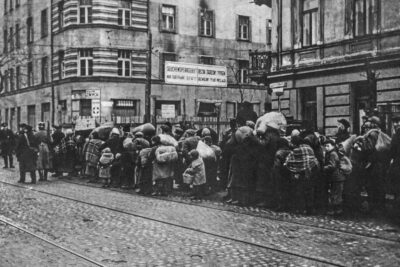
Ghetto, Jewish Cemetery & POLIN Museum Private Tour
Read our review →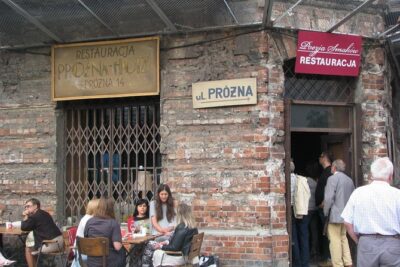
Browse the lists this tour appears in