
Reviewed · WARSAW GHETTO & JEWISH HERITAGE
Jewish Legacy in Warsaw. Private Tour with the best local specialist.
Warsaw has a lot of history layers, but this tour focuses on one of the hardest, most important ones. I like the way it strings together synagogues, museums, and ghetto memorials in a route you can actually walk and process. And I really like that it gives you context in plain terms before you stand in places like Umschlagplatz.
The big drawback to consider is the subject matter. You will be near sites tied to persecution and deportation, so expect a serious tone and some emotional moments.
One more practical thought: this is a private tour with pickup around the city, but like any scheduled meet point, you should have the local contact details handy on the day.
Key highlights you will not want to miss
- Nozyk Synagogue: Warsaw’s oldest existing synagogue, spared by the Nazis due to its location and usefulness in the ghetto’s final chapter
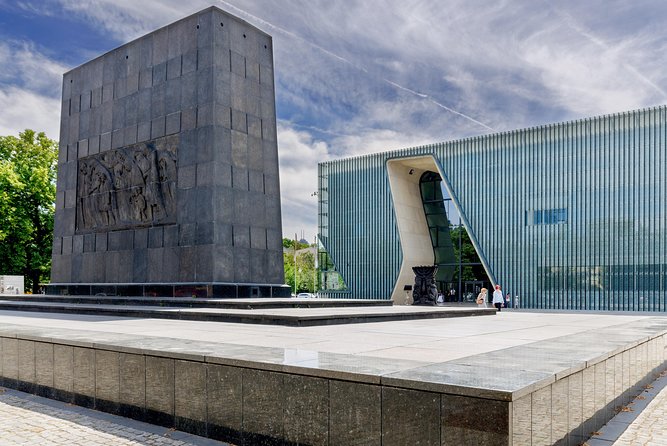
- POLIN Museum stop: a chance to get your bearings with the museum’s interior design and big-picture presentation of Jewish Polish life
- Ghetto Wall fragment: officially recognized by Chaim Herzog in 1992
- Umschlagplatz: the cargo railroad terminal where people were taken toward Treblinka
- Mila 18 memorial bunker: the largest bunker in the Warsaw ghetto, tied to Mordechaj Anielewicz and the uprising leadership
- Praga-North film streets: Roman Polański and The Pianist locations, plus an optional villa visit linked to The Zoo Keeper’s Wife
A Warsaw day built around Jewish life, ghetto geography, and memory
This tour is built like a guided walk through a painful map of the city. You start with surviving religious heritage, then move into a sequence of museums and sites that explain how the Warsaw ghetto worked, where people were held, how deportations were carried out, and where resistance took shape.
What makes it more than a checklist is the stop order. POLIN comes early enough to help you read the later stones and walls with better understanding. Then Umschlagplatz and Mila 18 hit with the right emotional pacing: first the departure point, then the underground fight.
You also get a mix of places that feel different in the body. Some stops are inside a museum. Others are exterior memorial spaces or street-level sites. That matters because it keeps your brain from going on autopilot.
More Jewish heritage walks in Warsaw:
- Warsaw: Warsaw Ghetto Private Walking Tour with Hotel Pickup
★ 4.9 · 369 reviews - Warsaw: Jewish History Guided Walking Tour in English
★ 4.7 · 324 reviews - Private Tour: Warsaw’s Jewish Heritage by Retro Fiat
★ 5.0 · 208 reviews
Private tour value: up to 3 people, pickup across Warsaw, English guide
This is priced at $361.23 per group for up to 3 people, so your cost can work out very differently depending on how you travel. If you bring a partner or two, you share the guide time and pickup logistics. If you are solo, it is still a good option when you want flexibility and a specialist to answer your questions without squeezing you into a larger crowd.
The tour includes pickup from all around Warsaw, which is a big deal on a day when you are moving between multiple neighborhoods. You do not have to plan transit between sites or worry about the order of public transportation. You just show up at your pickup location.
It is also offered in English, and you use a mobile ticket. Confirmation comes at booking, and the tour is private, meaning only your group participates.
One note from a reported issue on the schedule: in one case, the guide did not show at the agreed 9:00 am pickup window, and the refund was processed quickly, within one business day. That is not a reason to avoid the tour, but it is a practical reminder to keep the provider contact info ready and to call promptly if your guide is late.
Nozyk Synagogue: the oldest survivor and why it lasted
The tour begins at Nozyk Synagogue (Twarda 6), and you spend about 20 minutes here. This is not just a beautiful stop. It is the story of survival and survival’s limits.
Nozyk is described as the oldest existing synagogue in Warsaw, and the key detail is why the Nazis did not destroy it. Its location and usefulness helped it remain standing into the ghetto’s final chapter. That fact changes how you look at the building. You are not only seeing architecture, you are seeing how occupiers made calculated decisions about what they could use, and what they chose to erase.
A short warning to plan for: 20 minutes is enough for orientation, but not enough for deep study. If you have a particular question about Jewish religious life in Warsaw, this is one of your best moments to ask early, before the rest of the day becomes even heavier.
POLIN Museum: getting your mental map before the memorials
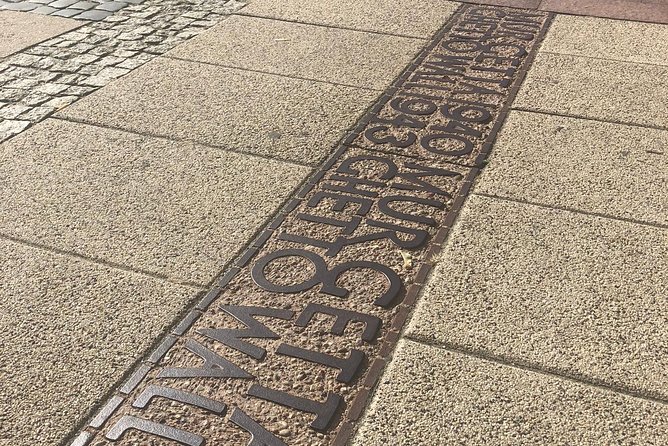
Next is POLIN Muzeum Historii Żydow Polskich (about 50 minutes). This stop is where the tour gives you tools to understand what you are going to see outside.
You get a visit to the museum’s location and a quick look inside at the interior design. The big value here is not just artifacts. It is the way the museum promotes the subject in a wide and proper perspective. In other words, it tries to place Jewish history in the broader story, not as an isolated tragedy that starts and ends in one period.
Then there is a practical benefit for you. By the time you leave POLIN, later sites like the ghetto wall fragment and Umschlagplatz will make more sense. You will know what to look for, and you will understand why the tour keeps pointing to specific places within the ghetto system.
If you are the type who likes to read first and walk second, this is a good match. If you prefer a more reflective style, ask your guide to point out a couple of key ideas so you do not feel like you are rushing through rooms.
Other Warsaw tours to compare
- Private Tour: Warsaw City Sightseeing by Retro Fiat
★ 5.0 · 562 reviews - Private Historical Tour of Warsaw by a Retro Fiat with Pickup
★ 5.0 · 190 reviews - Warsaw for WWII Buffs – private tour with hotel pickup
★ 5.0 · 166 reviews - Warsaw: Ghetto, Jewish Cemetery & POLIN Museum Private Tour
★ 4.8 · 132 reviews
Fragment of the Ghetto Wall: borders you can literally stand beside
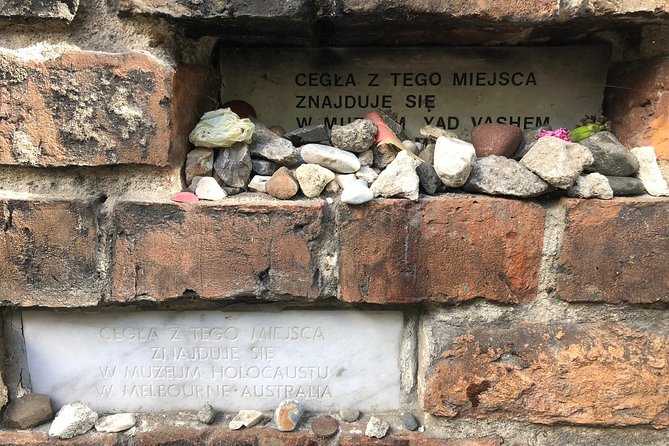
The next stop is a Fragment of Ghetto Wall (about 20 minutes). This is tied to the Zlota 60 area, and the message here is simple: you are looking at what is left of a much larger enclosure, the ghetto boundaries that shaped every movement and every opportunity.
This fragment is described as the only remaining fragment of the largest Jewish ghetto ever existing. And it also has a modern historical validation, officially recognized by Chaim Herzog in 1992, and visited by thousands of guests each year.
For your experience, that recognition point matters. It is a reminder that remembering did not end with the war. Afterward, societies had to decide what to preserve, what to interpret, and how to keep the story present for new generations.
20 minutes is a short window, but it is enough time to understand what kind of structure you are looking at and why this spot is significant. If you care about how memory sites are chosen, ask about the recognition story during this stop.
Umschlagplatz: the cargo railroad terminal and the path to Treblinka
Umschlagplatz (corner of Stawki and Dzika) is another 20-minute stop. The tour calls it the cargo railroad terminal in the ghetto, and that phrase is doing heavy work.
This is the place where Jews were taken from the ghetto onward to the death camp Treblinka. When you are standing near a site like this, your brain wants to reduce history to dates and names. The best guidance here is about logistics, because deportation was a system, not a sudden event. A specialist can help you understand the steps and how the ghetto structure fed into the machinery of mass murder.
You will likely feel a shift emotionally at this point in the day. That is normal. If you want to keep your head steady, do not force yourself to take in everything at once. Let the guide’s explanation sink in, and then take a few quiet moments after the story ends.
Memorial at Mila 18: the largest bunker and the uprising leadership
Then you move to Mila 18, a memorial at a bunker area with about 20 minutes here. The tour describes it as the largest bunker in the Jewish ghetto in Warsaw.
This stop is closely linked to Mordechaj Anielewicz, the leader of the uprising. It also mentions that nearly 30 other members of the Jewish fighting organization hid there.
What makes Mila 18 different from Umschlagplatz is the direction of meaning. One site is about being taken. This one is about people trying to take back agency, even as their situation grew more desperate.
In a tour day like this, the pacing is smart. You have already learned the system of deportation. Then you see where resistance leaders tried to hold out. That turn helps you understand the full human picture, not only victimhood but also decision-making under extreme pressure.
Willy Brandt’s monument and the Monument to the Heroes of Warsaw
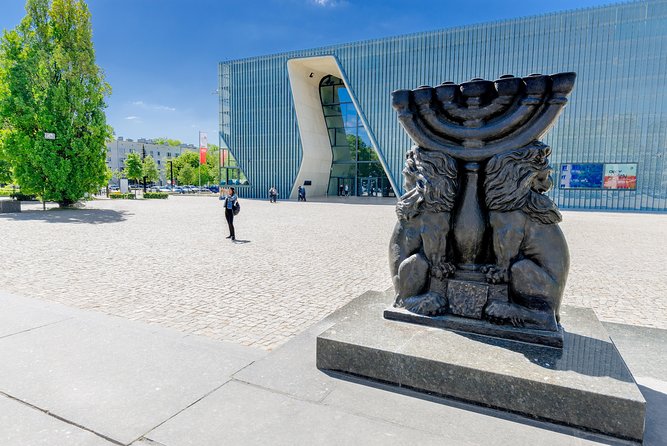
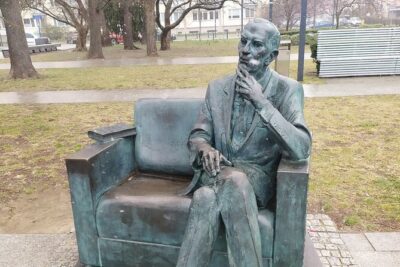
After Mila 18, you pass Pomnik Willy’ego Brandta near the POLIN area, in Willy Brandt Square. The stop is described as a commemoration of Willy Brandt’s gesture, where he knelt in front of the monument of the ghetto heroes as a symbol of apology and reconciliation.
The pacing here works because it provides a different kind of memory marker. You are moving from sites tied to events to a modern public gesture tied to acknowledgment.
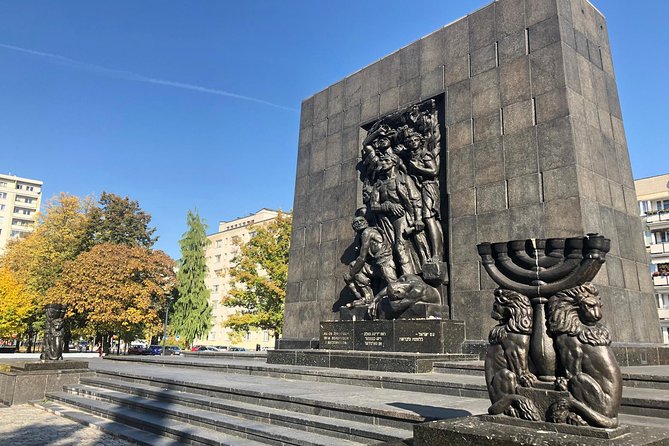
Then comes the Monument to the Heroes of Warsaw at Nowy Przejazd, with about 50 minutes. This stop is longer, which signals that the guide can spend time on interpretation. The tour frames it as devoted to the memory of Jews who went through the nightmare of the ghetto.
For you, the practical takeaway is to slow down during the longer monument stop. Use it as a time to think about what the tour has shown so far, and to ask any question that feels too big to ask at a street corner.
Chlodna Street footbridge: the ghetto’s link between danger and movement
Next is Chlodna Street with about 10 minutes. The tour notes a footbridge that links a smaller ghetto section with the larger ghetto area.
This is described as the livelies section of the ghetto and also the most dangerous. That combination tells you the story you should focus on. Movement and commerce created tension. Crowds meant opportunity, and crowds also meant risk. Even a short stop here can be powerful if your guide helps you connect the geography with daily life.
Ten minutes means you should not expect a full lecture. Instead, use it to get the location explained and to understand why a bridge matters in a closed system. It is a small piece of infrastructure with big consequences.
Praga-North streets and the Pianist movie locations, plus an optional villa
The final neighborhood stop is Praga Polnoc (about 40 minutes), focusing on streets where Roman Polański would produce movie shots for The Pianist. The tour also offers an optional visit to a Villa connected to the book The Zoo Keeper’s Wife, depending on your interests.
This ending section is different in tone. You are still dealing with history, but you are also looking at how a story got told through film and literature. That can help you notice how settings are used to communicate mood, fear, and time period.
A practical idea: if you like film history and you are comfortable with fiction set in real places, ask your guide how the locations were chosen or how they function in the movie scenes. If you prefer strict documentary focus, you can keep the optional villa part off and just enjoy the street-level walk.
Price and logistics, the simple way to judge if it is worth it
Here is how I think about the value for this specific tour:
- You pay $361.23 per group up to 3, so it is best when you travel as a small group or pair up with friends.
- You get a private guide, which matters on topic-heavy routes where you want time for questions.
- Pickup across Warsaw saves time and stress, especially when you are bouncing between major memorial sites and museum areas.
- Multiple key stops are packed into the day, with each stop timed (often around 20 minutes), so you see the core without losing the thread.
The only real logistics consideration is schedule risk. One reported booking had a missed pickup at the 9:00 am meeting time, and the refund was handled quickly afterward. That tells me two things for planning: confirm pickup details the day before, and keep your contact information accessible on your phone.
If your idea of a good tour is a careful route with a local specialist and minimal commuting headaches, this is a strong fit.
Who should book this Warsaw Jewish legacy private tour
This tour is a great choice if you want:
- A guided route through major Jewish legacy sites and ghetto memorials in one day
- English interpretation with a private group format
- Pickup from anywhere in Warsaw, so you can focus on the stops rather than transit
It may be less ideal if you want a lighter, purely scenic day. This is history tied to the Warsaw ghetto and the Holocaust. You will likely want comfort with serious subject matter and a willingness to pause.
Should you book this Jewish Legacy in Warsaw private tour?
If you are going to Warsaw once and you want the strongest guided route through Jewish history landmarks and the ghetto’s key sites, I would book it. The order of stops makes sense, starting with a living heritage site and moving into POLIN’s broader context before the memorial geography hits.
I would book with two practical precautions. First, keep your pickup plan crystal clear for the 9:00 am start and have the provider contact details ready. Second, decide in advance how you want to handle the optional villa in Praga-North, so you can match the ending to your interest level.
When you get the right guide moment at each stop, this tour gives you what you cannot get from a quick self-guided walk: context that turns locations into understanding.
FAQ
Where does the tour start and what time?
The tour starts at 9:00 am.
Is pickup offered?
Yes. Pickup is offered, and the provider picks up all guests from all around Warsaw.
Is this a private tour?
Yes. It is a private tour/activity, and only your group will participate.
What group size does the price cover?
The price is listed as per group (up to 3).
What language is the tour offered in?
The tour is offered in English.
Do I get a mobile ticket?
Yes. A mobile ticket is included.
Which major stops are included?
Stops include Nozyk Synagogue, POLIN Museum, a Fragment of the Ghetto Wall, Umschlagplatz, the Memorial at Mila 18, the Monument to the Heroes of Warsaw, Chlodna Street, and Praga Polnoc with a possible optional villa visit.
How long is the POLIN Museum visit?
The POLIN Museum stop is scheduled for 50 minutes.
Is the villa visit in Praga-North included?
The villa visit is optional and depends on the interest of the guests.
Can I cancel for a full refund?
Yes. You can cancel up to 24 hours in advance of the experience start time for a full refund.
Recently added in Warsaw
- Warsaw: Wolf’s Lair & Swieta Lipka Small-Group Tour + Lunch★ 5.0 · 3 reviews
- World War II Warsaw Old Town, Military Cemetery Walking Tour★ 4.7 · 3 reviews
- Warsaw Wolf’s Lair with St. Lipka and Mamerki Private Guided★ 4.2 · 3 reviews
- Warsaw Zoo Skip-the-Line Entry Ticket with Private Transport★ 4.8 · 3 reviews
- Warsaw: Vodka Tour★ 4.4 · 18 reviews
- Wilanów Palace: 2-Hour Guided Tour with Entrance Tickets★ 4.8 · 8 reviews
- Warsaw Uprising and WWII Old Town Walking Tour with Museum★ 4.7 · 15 reviews
- Warsaw: Private Vodka Tasting Night with Snacks and Pickup★ 5.0 · 7 reviews
Other Warsaw Ghetto & Jewish Heritage Tours
Warsaw Ghetto Private Walking Tour with Hotel Pickup
Read our review →
Private Tour: Warsaw’s Jewish Heritage by Retro Fiat
Read our review →
Ghetto, Jewish Cemetery & POLIN Museum Private Tour
Read our review →
Browse the lists this tour appears in