
Reviewed · WARSAW GHETTO & JEWISH HERITAGE
A unique walking tour of Jewish Warsaw — past and present
A walking tour of Jewish Warsaw, past and present, is interesting because you’re not just looking at history on a plaque. You’re walking the same urban lines where the Jewish community built, suffered, resisted, and then quietly returned. It’s a compact way to connect big, painful events to specific places you can actually stand in front of.
I love the way the tour keeps the story moving, site to site, without turning it into a lecture. You’ll also get a guide like Oliwia when available, whose humour, voice rhythm, and careful explanations can make heavy material easier to follow and remember, even when it’s heartbreaking.
One consideration: this is a walking route of about 4.5 to 5 km in roughly 3 hours, and it’s not recommended if you have problems with walking long distances. The tour is wheelchair accessible, but it still covers real ground.
Key things I think you will care about
- Nożyk Synagogue’s survival: you’ll see the only Warsaw synagogue that survived the war and remains to this day
- A surviving piece of the ghetto wall: a rare, physical reminder of how the ghetto boundaries worked
- Umschlagplatz and the Treblinka transports: you’ll visit the place from where 300,000 Jews were transported to Treblinka
- Muranów as a lived-in history zone: you’ll spend time in the neighborhood where the ghetto story is strongest in the cityscape
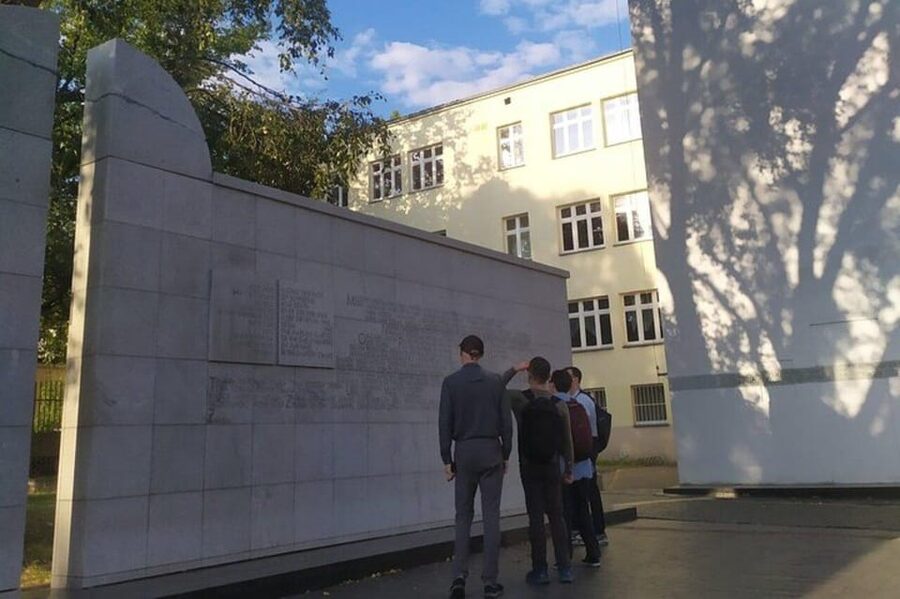
- The Ringelblum Archive remembrance point: you’ll stop at a memorial tied to documentation and memory
- Small-group pacing in English: limited to 10 participants, with a live guide and a focused route
Walking Jewish Warsaw, past and present, without losing the thread
Jewish life in Warsaw didn’t appear overnight. At one point, about one third of Warsaw’s inhabitants identified as Jewish, and Warsaw became home to Europe’s biggest Jewish population. Then World War II changed everything. This tour is built to help you hold both truths in your head at once: the long growth of a community, and the sudden, violent ending.
The best part, for me, is that the route doesn’t feel random. It moves through layers of the city, from pre-war and community life to the ghetto era, then to memorial spaces and today’s quiet renaissance. The pacing is designed for a 3 hour walk, so you get enough time at each stop to understand why it matters, without feeling like you’re racing.
More Jewish heritage walks in Warsaw:
- Warsaw: Warsaw Ghetto Private Walking Tour with Hotel Pickup
★ 4.9 · 369 reviews - Warsaw: Jewish History Guided Walking Tour in English
★ 4.7 · 324 reviews - Private Tour: Warsaw’s Jewish Heritage by Retro Fiat
★ 5.0 · 208 reviews
Who this tour suits
This is ideal if you want a structured, emotionally honest walk that still stays practical. You should also be happy doing reflective history in an outdoor setting. If you like to connect names, locations, and cause-and-effect, you’ll enjoy the way each stop points to the next.
If you’re traveling with limited mobility, double check your own stamina first. The tour is described as wheelchair accessible, but it’s still a longish city walk.
Getting your bearings at Sienna 53 and the smart way to start
You meet at Sienna 53, in front of Baguette Mi. Look for a guide holding a white and green umbrella. This is useful because Warsaw can be visually confusing, and a clear meeting marker reduces that first-minute scramble.
Starting with a short orientation matters on this topic. Jewish history in Poland stretches back about 1000 years, and Warsaw is one of the places where that story became especially visible. Before you get to the ghetto sites, you want your guide to set the logic: who came, why they settled, how the community grew, and how the tragedy unfolded in the city.
The tour also includes a full info pack with FAQ-style answers, plus visual aids. I like this because it gives you a second chance to review what you hear, instead of relying on memory in a busy city.
Nożyk Synagogue: the one that survived, and why that matters
Your first major stop is Nożyk Synagogue. You’ll get about 15 minutes here, with guided storytelling. The standout fact is simple but powerful: it’s the only Warsaw synagogue that survived the war and still exists today.
That survival changes how you see everything else. It turns the story from purely destructive to painfully complex. Even after the ghetto and deportations, the physical presence of a synagogue in the city is a reminder that Jewish community life was not just a chapter in someone else’s past. It had roots, it had continuity, and it didn’t vanish all at once.
One practical note: the entry fee is not included for Nożyk Synagogue. If you want to make the most of your time there, budget extra for admission so you’re not doing math mid-tour.
More walking tours in Warsaw:
- Warsaw: Old Town Highlights Walking Tour in English
★ 4.7 · 1,516 reviews - Warsaw: Old Town Guided Walking Tour
★ 4.9 · 599 reviews - Half-Day Polish Food Walking Tour with Guide and Dinner
★ 4.5 · 381 reviews - Old Town Warsaw Walking Tour
★ 4.5 · 333 reviews
Hala Mirowska: history beside everyday Warsaw
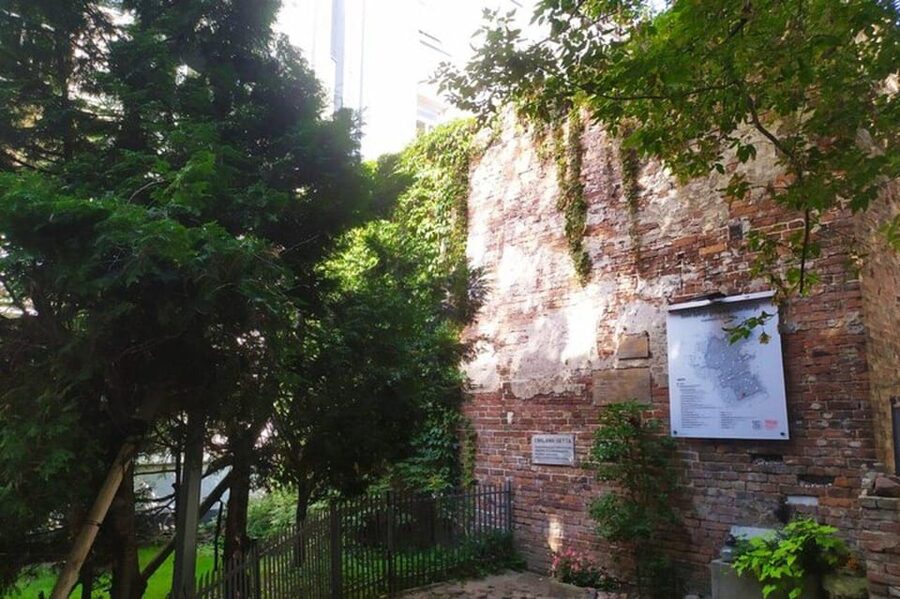
Next is Hala Mirowska, a guided stop of about 10 minutes. This is the kind of place I think you’ll like if you prefer real-city context over museum-only learning.
The value here is the contrast. Warsaw’s Jewish story is often told as if it happened in a sealed-off past. But you’re walking through a living city. Seeing where the story sits among present-day streets helps you understand how the city’s layers overlap, even when the events were catastrophic.
At only 10 minutes, you won’t get every detail. But that’s okay. The tour is doing something smart: it keeps you moving so the strongest memorial points come next.
Muranów: where the ghetto story feels close
Then you enter Muranów, with about 30 minutes guided. This is one of the most important stops on the whole route because it’s tied to the neighborhood-level reality of the ghetto.
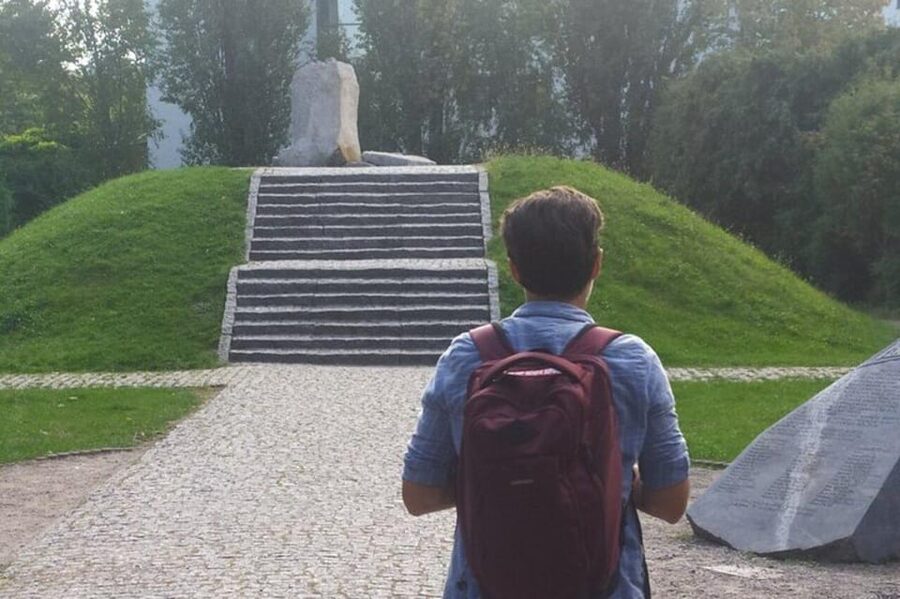
Here’s what makes this segment especially meaningful: you’ll see several monuments that remind you of the Jews’ heroic struggle in the Ghetto. You’ll also get time to understand the logic of resistance, including why the Jewish Uprising in 1943 happened even though the outcome was almost certainly bleak.
This is not just about battles. It’s about human agency. When you stand in a memorial-heavy area like this, you feel how difficult it was to keep dignity intact under impossible pressure.
It’s also the emotional hinge of the tour. If you’re the type who needs a moment to process, use the walking time between points to slow down. Your guide should keep the tone clear, but you may still feel it hit hard.
The Ringelblum Archive remembrance point: memory as an act
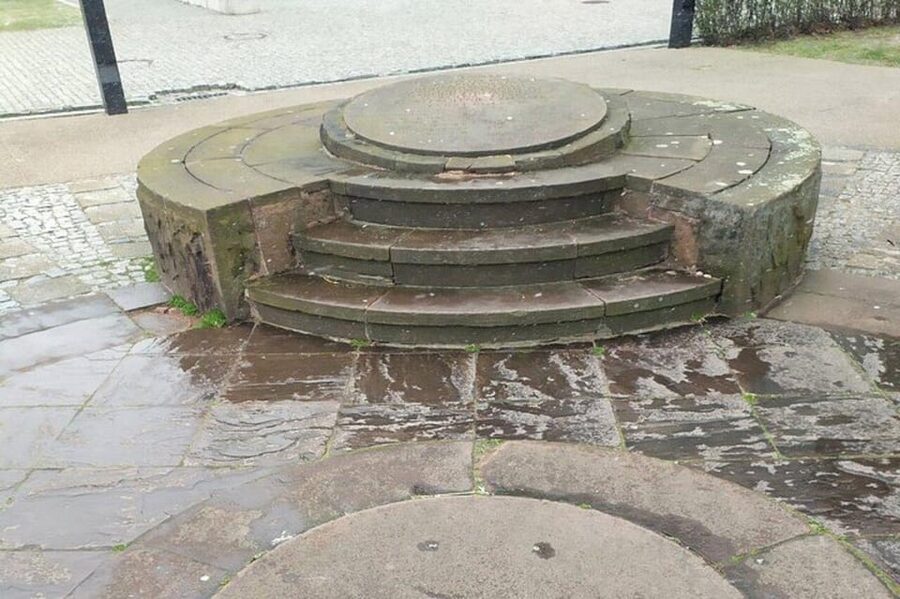
After Muranów, you stop at the Upamiętnienie Archiwum Ringelbluma for about 10 minutes. This is a remembrance point tied to documentation and memory, and it adds a different angle to the story.
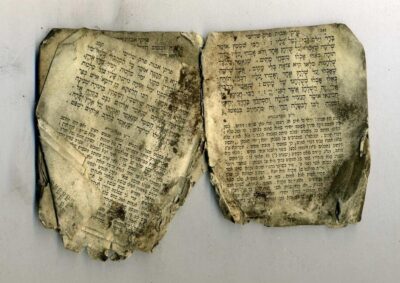
At this stage, you’re no longer only seeing where people suffered or where people fought. You’re also hearing about the idea that recording truth is a form of resistance. It’s a reminder that survivors and those who worked in the ghetto did not treat history as something that could wait.
This stop also helps you shift from “what happened” to “what was preserved,” which is a big part of why Warsaw’s memorial landscape feels active rather than frozen.
POLIN Museum stop: a quick bridge between street and story
Next up is POLIN Museum of the History of Polish Jews, again about 10 minutes guided. This is a natural complement to the walking stops. On foot, you experience sites. At POLIN, the story typically becomes more organized, more layered, and easier to review later.
The tour includes a stop here even though museum entry fees are not included. That matters because it keeps the walk moving, but it also means you should plan ahead if you want to go inside on your own afterward.
I like this approach. You get a meaningful introduction at the right moment, then you decide later how much time you want to spend deeper.
Miła 18: a short stop with a big purpose
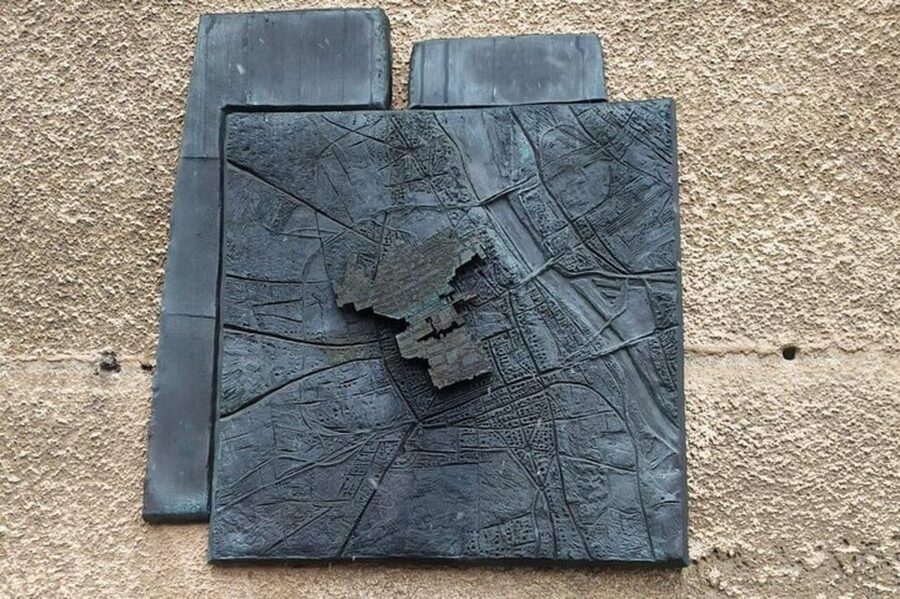
Your next guided stop is Miła 18, about 10 minutes. Short stops can feel like filler on some tours. Here, I think it works because it keeps the timeline tight and reinforces that the ghetto story wasn’t abstract. It was tied to addresses, buildings, and daily geography.
If you’re sensitive to heavy subjects, give yourself permission to focus on your guide’s explanations rather than trying to take in everything visually. The point of these short segments is comprehension, not photo collecting.
Finishing at Pomnik Umschlagplatz: the transports you cannot ignore
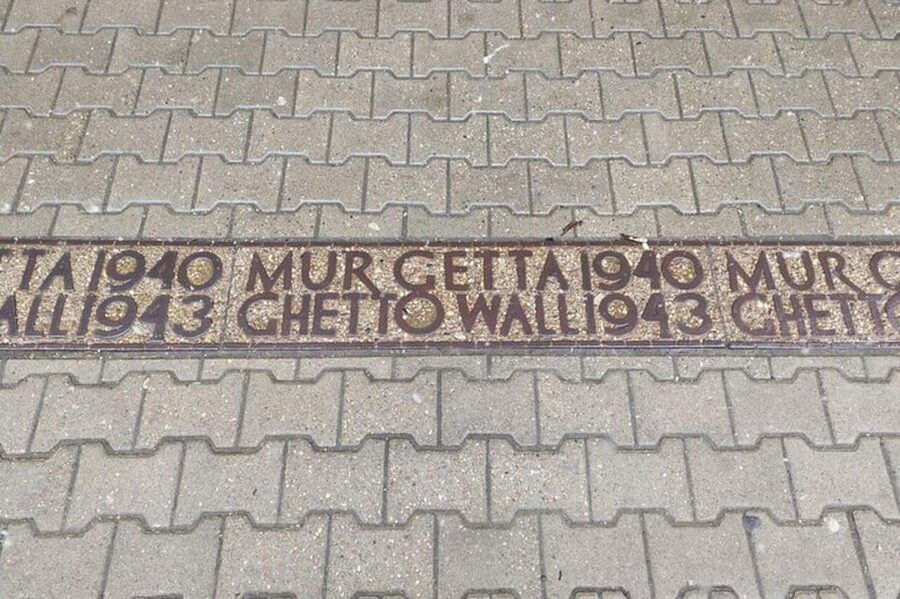
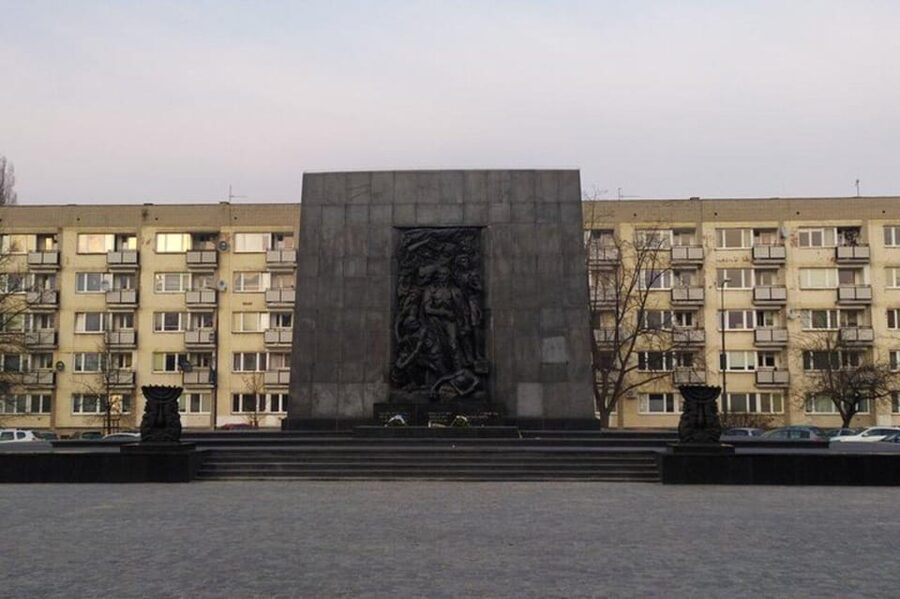
The tour ends at Pomnik Umschlagplatz. This is where the story lands. You’ll visit the place from where 300,000 Jews were transported to Treblinka.
Even with a guide who can keep the facts clear, this stop hits because it’s specific. You’re standing at the kind of location that turns statistics into something you can feel. The tour also links this to earlier points about the ghetto walls, resistance, and the tragic end of the community’s central neighborhood.
This finish is a deliberate design choice. It prevents the walk from becoming just a list of sites. Instead, you leave with a sharp final anchor: the mechanics of deportation, not just the existence of a ghetto.
How the guide style makes a difference
This is the part that stands out most in the experience you’re buying: the narration matters. The guide on this tour is described as funny and precise, using voice intonation and a clear command of the historical details. When your guide can explain hard topics without sounding cold, you learn more and you retain it longer.
Oliwia is the name that shows up in standout feedback, including praise for humour and the way explanations stay engaging. If you get her, you’ll likely notice the tour feels like a conversation, not a recitation.
Also, the tour is limited to 10 participants, which helps. You’re more likely to get personal pacing and questions answered on the spot.
Price and value: why $32 can make sense here
At $32 per person for a 3 hour, small-group, English-guided walk, the value depends on your priorities. You’re not just paying for movement around town. You’re paying for interpretation, sequencing, and a guide who can connect multiple stops into one coherent story.
Two costs are not included: the Nożyk Synagogue entry fee and the POLIN Museum entry fee. So I’d treat $32 as the walking and guidance portion, then budget separately if you want to enter those sites.
Even with that, the format makes sense. Walking around memorial zones on your own is possible, but it takes a lot of effort to connect everything accurately. Here, your guide does that work for you, and the included info pack plus visual aids can help you keep going after the tour.
Practical tips so you enjoy the walk more
This tour is focused, about 4.5 to 5 km total. Plan your footwear accordingly. You’re dealing with emotionally heavy content, so being physically comfortable helps.
A couple of other practical moves:
- Take a quick look at your info pack after the tour. It’s meant to act like a follow-up so the places you saw keep their names.
- If you know you’ll want museum time later, plan extra time for POLIN. The tour gives you a guided introduction, not a full museum visit.
- If you struggle with long walking days, consider shortening your day or choosing a slower plan elsewhere so this doesn’t stack too much.
Should you book this Jewish Warsaw walking tour?
I’d book it if you want a structured, English-guided route that connects pre-war Jewish life, ghetto reality, resistance, deportation, and today’s presence in Warsaw. The specific stops are the selling point: Nożyk Synagogue, the ghetto-area memorials, Ringelblum Archive remembrance, and the end at Umschlagplatz with the 300,000 Treblinka transports.
Skip it or choose another option if walking 4.5 to 5 km is a problem for you, even if the tour is wheelchair accessible. Also think twice if you prefer lighter history days. This one is honest, and it doesn’t try to soften the facts.
If you’re the kind of traveler who likes meaning in your map, this is a strong fit.
FAQ
How long is the walking tour?
The duration is approximately 3 hours.
What is the walking distance for the tour?
The route is approximately 4.5 to 5 km.
How much does the tour cost?
The price is $32 per person.
Where do I meet the guide?
You meet in front of Baguette Mi at Sienna 53. Look for a guide holding a white and green umbrella.
Is the tour guided, and what language is it in?
Yes. It is a live guided tour in English.
How many people are in a group?
The group is small, limited to 10 participants.
Is wheelchair access available?
Yes. The tour is wheelchair accessible.
What is included in the price?
You get a full info pack with FAQ and useful links, visual aids, and recommendations about more places to visit and where to eat or drink.
What is not included?
Entry fees are not included for Nożyk Synagogue and POLIN Museum.
Is the tour refundable if I cancel?
Yes, free cancellation is available up to 24 hours in advance for a full refund.
Recently added in Warsaw
- World War II Warsaw Old Town, Military Cemetery Walking Tour★ 4.7 · 3 reviews
- Warsaw: Wolf’s Lair & Swieta Lipka Small-Group Tour + Lunch★ 5.0 · 3 reviews
- Warsaw Wolf’s Lair with St. Lipka and Mamerki Private Guided★ 4.2 · 3 reviews
- Warsaw Zoo Skip-the-Line Entry Ticket with Private Transport★ 4.8 · 3 reviews
- Warsaw: Vodka Tour★ 4.4 · 18 reviews
- Wilanów Palace: 2-Hour Guided Tour with Entrance Tickets★ 4.8 · 8 reviews
- Warsaw Uprising and WWII Old Town Walking Tour with Museum★ 4.7 · 15 reviews
- Warsaw: Private Vodka Tasting Night with Snacks and Pickup★ 5.0 · 7 reviews
Other Warsaw Ghetto & Jewish Heritage Tours
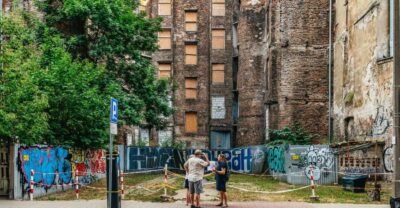
Warsaw Ghetto Private Walking Tour with Hotel Pickup
Read our review →
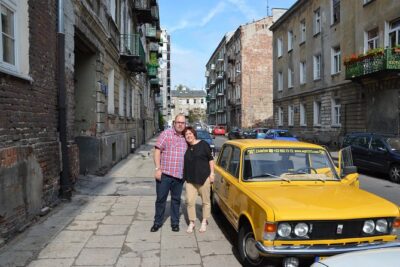
Private Tour: Warsaw’s Jewish Heritage by Retro Fiat
Read our review →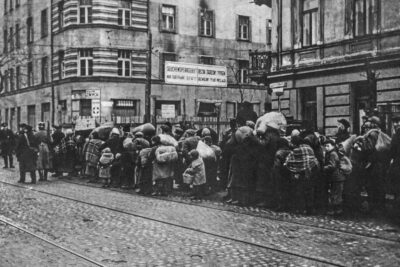
Ghetto, Jewish Cemetery & POLIN Museum Private Tour
Read our review →
Browse the lists this tour appears in