
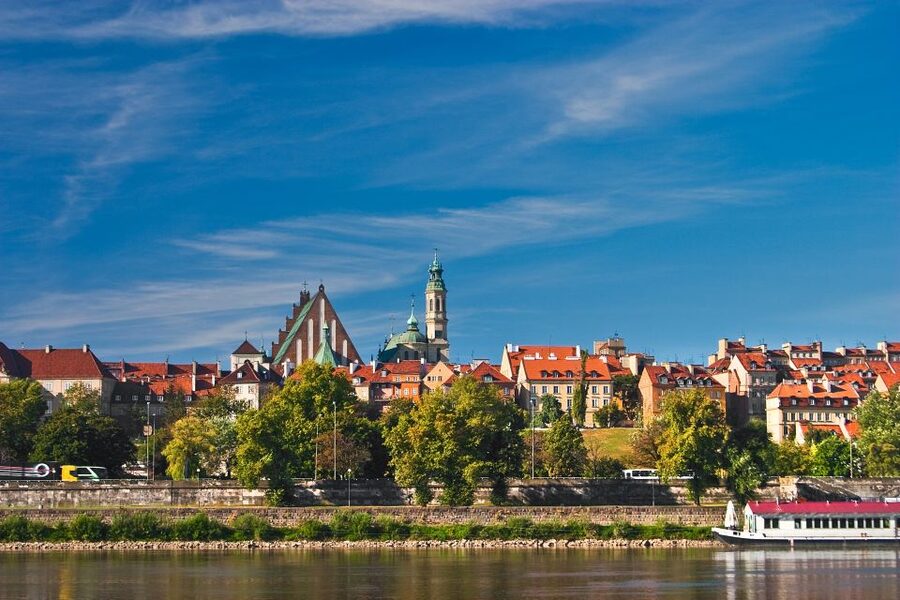
Reviewed · OLD TOWN WALKING TOURS
Warsaw: Old and New Town Private Walking Tour
Warsaw can feel like a city built in layers, and this private walking tour is a neat way to read those layers on foot. You start in the Old Town storybook zone, then keep moving into the city’s newer, official heart along the Royal Route.
I especially like the way this tour anchors you at the big picture moments, like Sigismund’s Column and the Royal Castle area, then connects them to the streets you actually walk. I also like the balance between postcard sights (hello, Old Town Square and Mermaid vibes) and harder history stops, including the Warszaw Uprising monument and the World War II devastation and rebuild narrative.
One consideration: admission fees are not included, so if you want to go inside the Royal Castle and spend time at interior tomb spaces, you’ll need to budget extra.
Key Things to Know
- Meet at Sigismund’s Column on Castle Square, so you start oriented in the exact historic center.
- Royal Castle stop is built around the Constitution of 3 May, plus art and royal apartments if you add the interior visit.
- Old Town Square, Mermaid, and tenement facades give you that instantly Warsaw feeling in a short time.
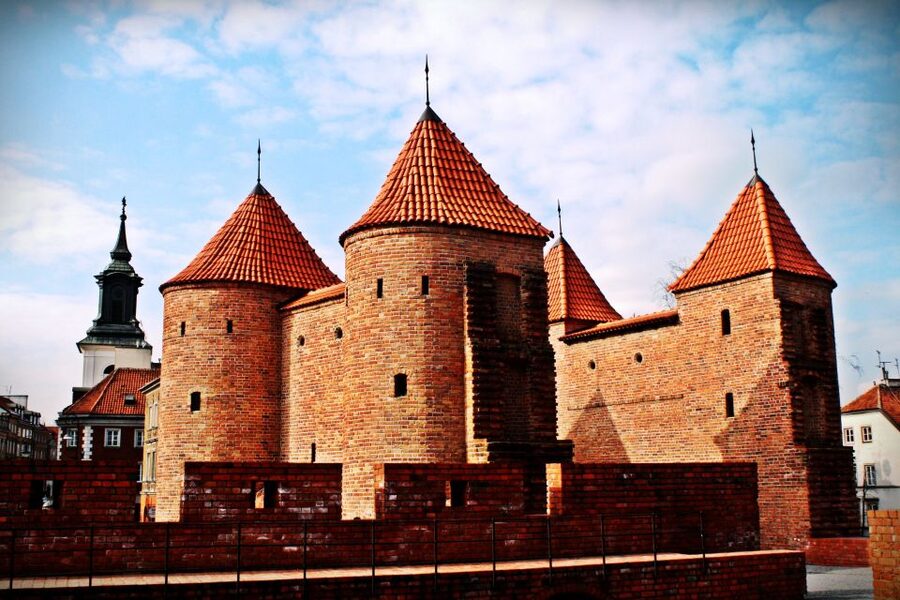
- Barbican, Kanonia Street bell, and Gnojna Góra viewpoints bring in city defense and Vistula views, not just buildings.
- Cathedral tombs add names you will recognize, including Stanislaw August Poniatowski and Ignacy Jan Paderewski.
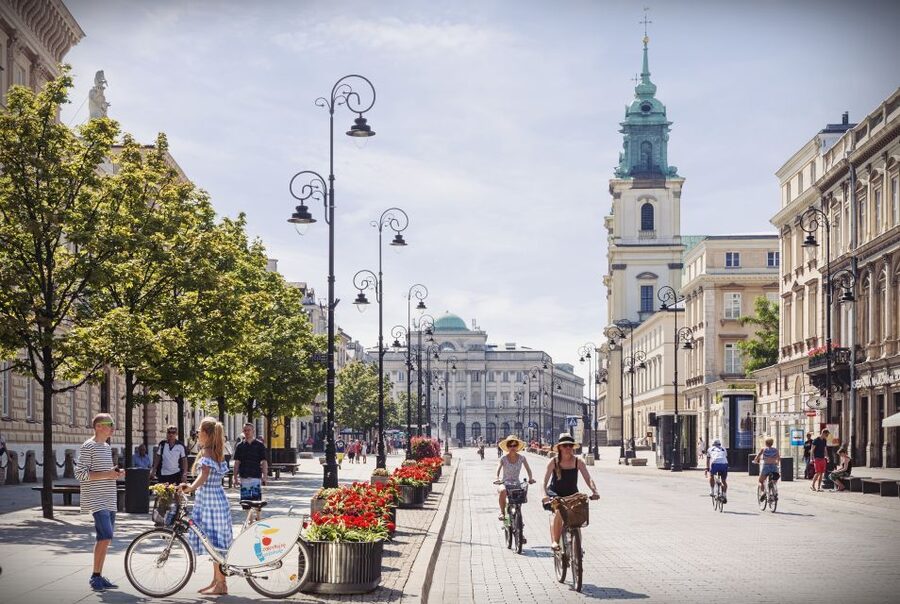
- The Royal Route finale links former seats of power, with stops near the Presidential Palace and Warsaw University campus.
Starting at Sigismund’s Column, then walking straight into the story
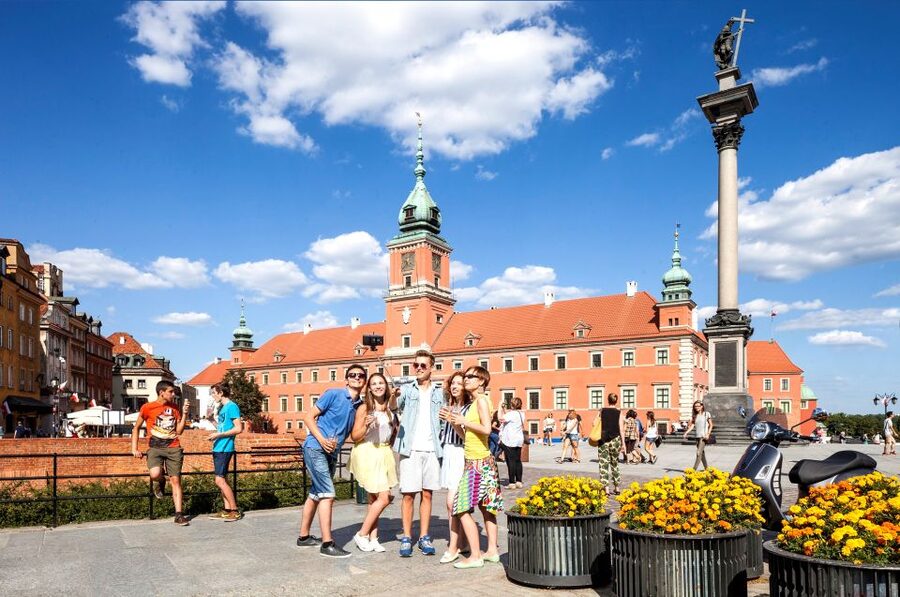
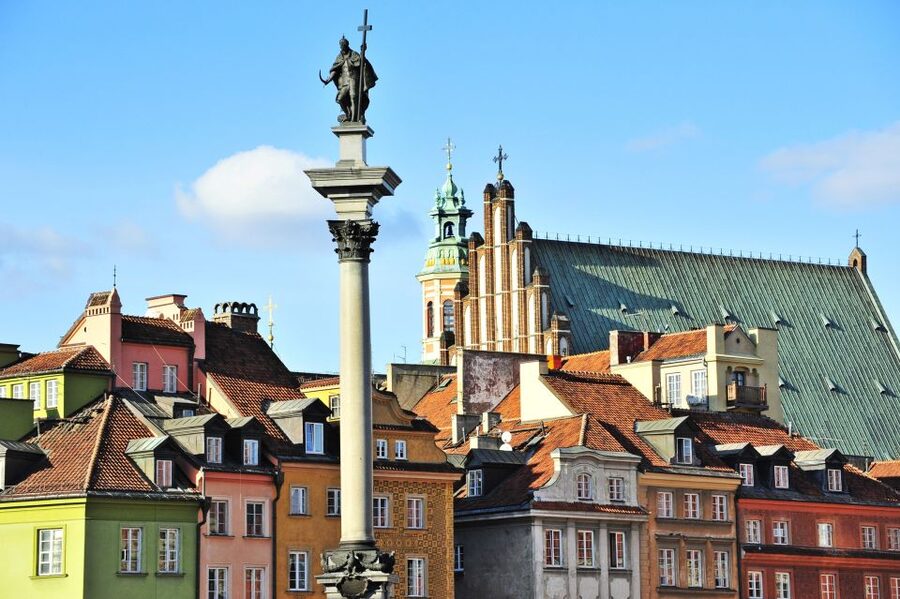
Your tour begins at Castle Square, with your guide waiting by Sigismund’s Column. That matters because it puts you in the right mental frame right away. Warsaw has a talent for repeating symbols, and this first landmark helps you connect them.
From there, the walk keeps tightening the focus. You move from the ceremonial center toward the Royal Castle area, so the rest of the route feels less random and more like a guided sequence.
This is also where a private guide earns their fee. If you want a quick, high-level overview first, you can take it. If you want more detail about how Poland’s political center shifted over time, your guide can shape the pacing.
More Old Town walking tours in Warsaw:
- Warsaw: Old Town Highlights Walking Tour in English
★ 4.7 · 1,516 reviews - Warsaw: Old Town Guided Walking Tour
★ 4.9 · 599 reviews - Old Town Warsaw Walking Tour
★ 4.5 · 333 reviews
Royal Castle and the Constitution of 3 May, plus Rembrandt and Canaletto
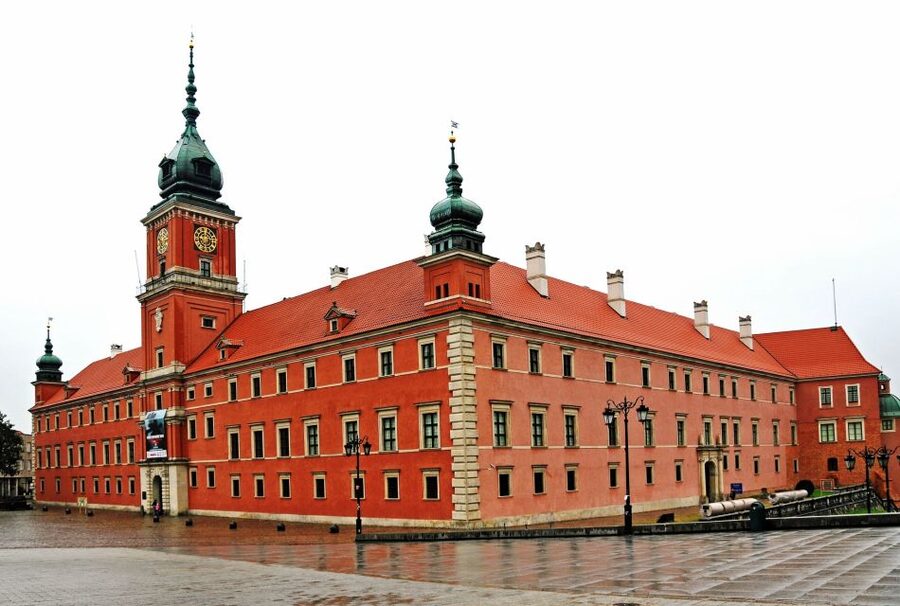
The Royal Castle is the anchor point for a lot of what Warsaw means today. The tour highlights that this was the former home of Polish rulers, and it calls out the Constitution of 3 May as a standout event. The pitch here is not just dates. It’s how the building and its status explain why this city became the political center.
If you have extra time, you can collect a ticket and look inside. The interior elements listed on the tour include the royal apartments and paintings by Rembrandt, plus canvases by Bernardo Bellotto, also known as Canaletto. That combination is a big deal because it brings together both the cultural prestige and the Warsaw-specific visual identity.
What to watch for on the outside, even before you decide on the interior: the Castle area is designed for ceremonial movement. Your guide can point out sightlines so you understand why the Royal Route later feels like a planned corridor, not just a convenient set of streets.
Old Town Square streets, tenement colors, and the Warsaw Mermaid
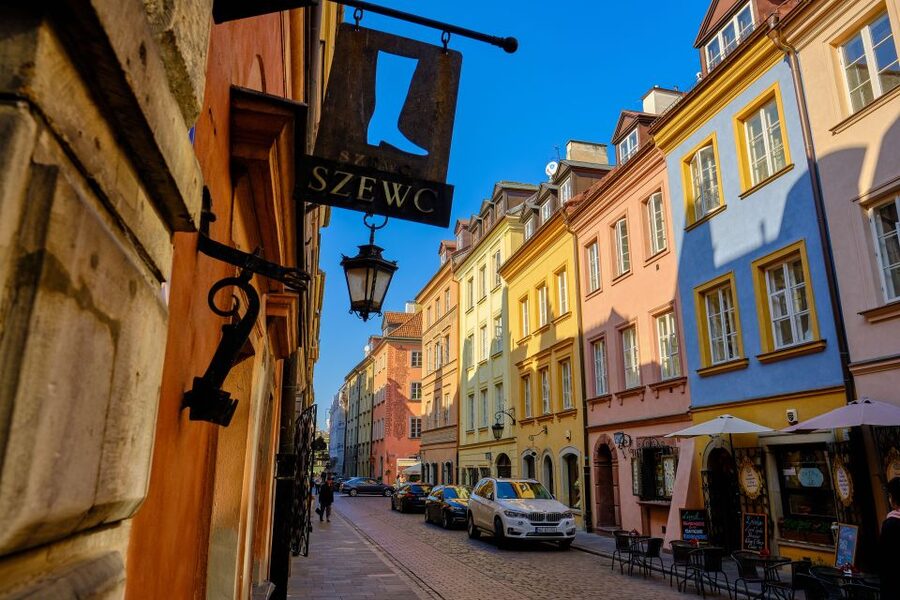
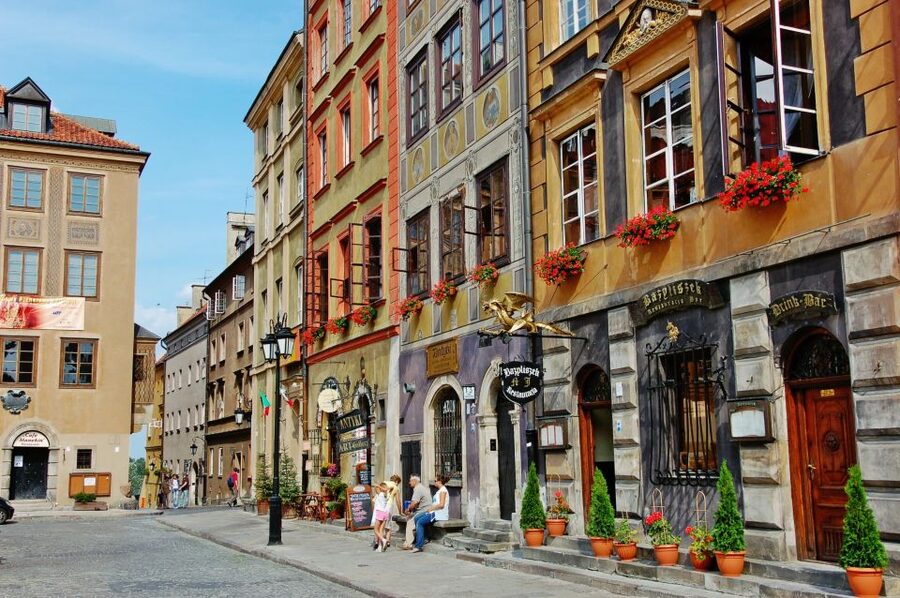
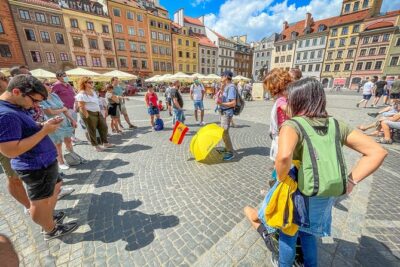
After the Royal Castle area, the walk slips into the narrow streets that funnel you toward Old Town Square. This is the part that feels immediately like Warsaw postcards, with colorful tenement houses and that compact, atmospheric sense of place.
The tour also adds texture that you might not get from wandering alone. The Old Town Square is described as a place of festivities and markets, but also as a site where convicts were executed. It’s a reminder that this space has always carried more than one story at once, and your guide helps you hold both in your head.
Then you do the fun part too. You stop for a selfie with the statue of the Warsaw Mermaid, the emblem and guardian of the city. It’s quick, but it’s also a good way to punctuate the “pretty streets” section before you move into fortifications and memorial terrain.
If you’re the type who likes to understand why a city icon exists, this stop is worth your attention, not just your camera.
Barbican, Kanonia Street bell, and the walls above the city
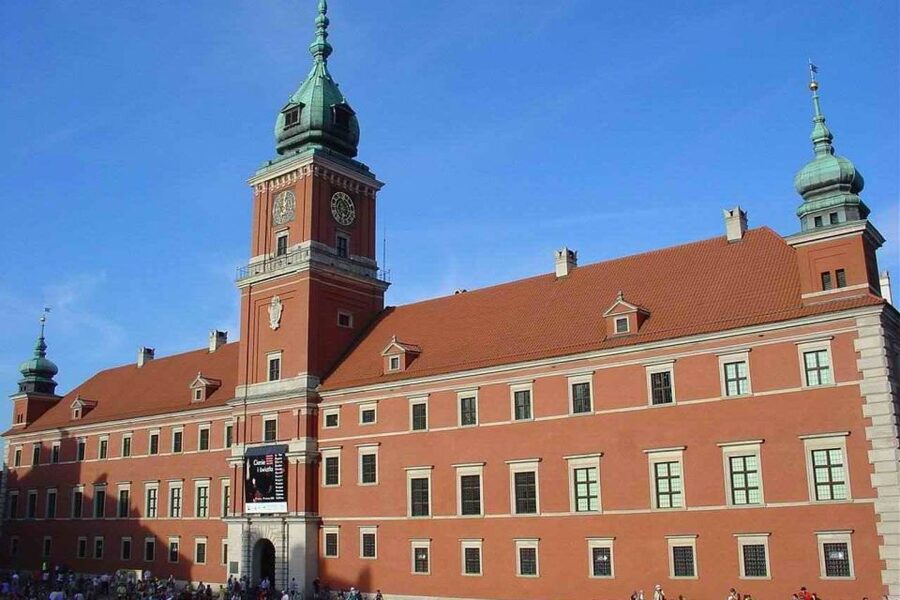
Next comes the fortification side of Warsaw. The tour includes the Barbican, an imposing reminder that “Old Town” wasn’t built only for beauty. It was built to defend.
From there, you walk past the bell on Kanonia Street, another named detail that makes the route feel specific rather than generic. These are the kinds of points a casual stroll misses because they look like small curiosities until someone tells you why they matter.
The walk continues along the old city walls, and then you head to Gnojna Góra for an observation point with views of the Vistula. That viewpoint is a great reset. After focusing on architecture, art, and memorial details, you get a wider horizon and you can start connecting old structures to the geography around them.
Practical note: walls and viewpoints mean uneven surfaces and steps. Comfortable shoes are not optional on this kind of route.
More walking tours in Warsaw:
- Half-Day Polish Food Walking Tour with Guide and Dinner
★ 4.5 · 381 reviews - Warsaw: Warsaw Ghetto Private Walking Tour with Hotel Pickup
★ 4.9 · 369 reviews - Warsaw: Jewish History Guided Walking Tour in English
★ 4.7 · 324 reviews - World War 2 in Warsaw walking tour in English
★ 4.7 · 237 reviews
Inside the cathedral for tombs tied to Poland’s major figures
The tour includes a cathedral stop, which is where the scale of personal names gets real. The cathedral houses the tombs of the medieval Mazovian princes, the last king of Poland, Stanislaw August Poniatowski, and the pianist and politician Ignacy Jan Paderewski.
Even if you only know a few names, this is one of those stops where your guide’s context turns the visit from “I saw graves” into “I understand why these people are woven into Warsaw’s narrative.” For me, tombs like this feel like the city speaking in a quieter voice than monuments do.
You also get an important contrast here. Outside, you’ve been seeing defense structures and old streets. Inside, the emphasis shifts to legacy and memory.
If you prefer to keep the pace light, you can still step in and get the highlights without turning the tour into a long interior session. The big win is that you make the stop intentionally, not accidentally.
Krasinski Palace, the Supreme Court building, and the Uprising monument
As you move on, the tour widens into locations that connect the past to the modern state. Krasinski Palace and the Supreme Court building are included, and the route also features the monument to the Warsaw Uprising.
This is where the tour’s tone can become more serious. The route description explicitly references the devastation of the city during World War II and the reconstruction that followed. Your guide can link that devastation to what you are seeing now, especially where you would otherwise only notice “rebuilding” as a vague concept.
If you want to understand why Warsaw’s Old Town looks so restored, this part helps you see restoration as a deliberate cultural choice, not just a repair job.
I also appreciate that the tour doesn’t treat memorial stops as one-size-fits-all. With a good guide, you get enough story to feel the gravity, without getting buried under too many facts.
Theatre, opera, Tomb of the Unknown Soldier, and the official Warsaw vibe
The tour includes several high-profile monuments tied to public life. You’ll see the Grand Theatre, the National Opera, and the Tomb of the Unknown Soldier.
These stops work well because they represent different kinds of national symbolism. Theatre and opera suggest cultural identity, while the Tomb of the Unknown Soldier signals public remembrance. Together, they help you understand Warsaw as both an artistic capital and a place that marks loss with formality.
If your feet are feeling it by this point, you’ll still get value. These are not “pass by and keep moving” stops. Your guide can point out what each site represents so you don’t end the day with a checklist.
This section also helps you connect why later parts of the route feel so structured. The city’s formal axis is not an accident.
Finishing with the Royal Route, Royal Lazienki and Wilanow Palace, plus Warsaw University
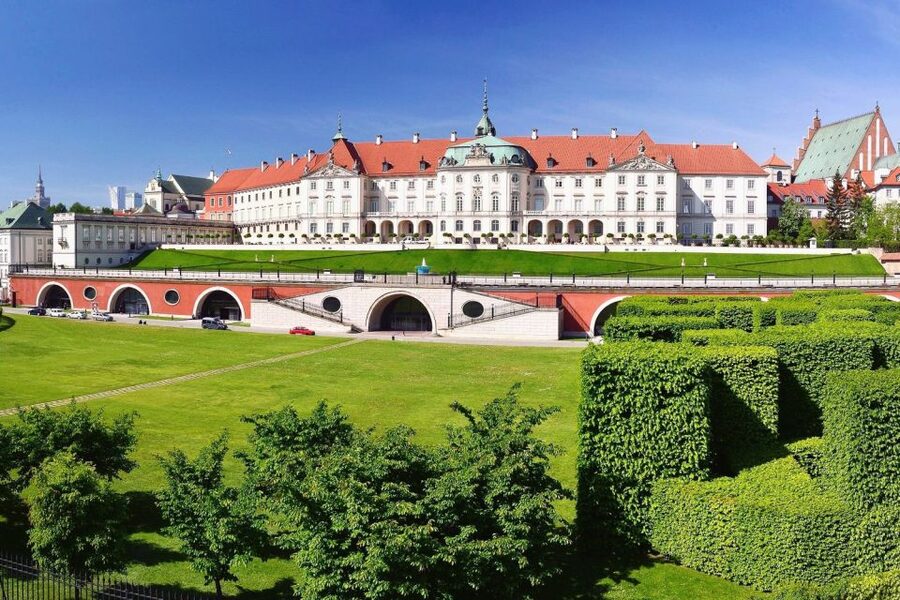
The tour ends with a short walk along the Royal Route, the corridor that connected three former residences of Polish rulers: the Royal Castle, Royal Lazienki, and Wilanow Palace. Even though you will not spend time inside all those locations, the walk helps you grasp how power travel was designed in space.
You also stop by the Presidential Palace and the Warsaw University campus. Churches and townhouses are included in the route as well, which helps keep the tour from turning into only palaces and monuments.
This finale is a smart move for a first-time visit. By the time you part ways with your guide, you have a clear mental map of where the historic core sits and how the city’s institutions line up.
If you’re trying to decide how to spend the rest of your day, this ending helps you pick your next move. You’ll know what area feels “right” for more walking versus what area you might approach by transit.
Price, pace, and why $16 per person can be great value
At $16 per person for a 4 hour private walking tour, the value is strong if you care about interpretation. The guide is included, and that’s the real cost driver in any walking tour. Admission is not included, but the itinerary is still packed with major outdoor highlights.
Here’s the practical way to judge it. If you only wanted to see a cluster of landmarks, you could do it yourself. But if you want the “why” behind the Royal Castle, the meaning of the Mermaid symbol, and the way Warsaw’s WWII scars show up in what you walk past, the guide makes it feel like a guided education with real streets as the classroom.
Pace wise, four hours is long enough to matter but short enough to keep you from feeling trapped. I like that the tour mixes heavy and light moments, tombs and viewpoints, monuments and selfie stops.
A small caution: because it’s a walking tour, you should show up ready to move. If you’re nursing a sore knee, consider asking your guide whether the route can be adjusted.
What makes the guides matter on this route
This tour stands or falls on the guide’s ability to connect buildings to stories you can remember. The tour experience is described as informative and flexible, and the names attached to high ratings give you a hint of what good guiding looks like.
For example, guides like Magda and Meggy are praised for making Polish history feel real and for balancing clear facts with an enjoyable pace. Guides like Maria and Margaret are noted for historical context and friendly delivery. Sebastian Urlik is specifically praised for taking people off the more standard paths and adding less touristy spots.
Some guides also bring visual support, including photos showing how Warsaw was flattened and then rebuilt. That kind of reference helps you understand restoration instead of just admiring the outcome.
If you have preferences, this is one place where I’d actually speak up. The tour is private, so you can ask for more time on a topic you care about, like WWII reconstruction, the Royal Route connections, or the art linked to the Castle.
Who should book this Warsaw Old and New Town tour
This tour fits best if you:
- want a first serious orientation to Warsaw without spending a full day in museums
- enjoy walking and you like your history with street-level context
- want both Old Town charm and New Town monuments, in one connected route
- are traveling with limited time and want a structured introduction
It’s also a good fit for couples and small groups who want the same experience, but with the flexibility of a private guide. If you don’t want to hunt for meaning alone, this tour is built to do the interpretation part for you.
Should you book this Warsaw Old and New Town Private Walking Tour?
I’d book it if you want your first Warsaw day to feel guided from the moment you arrive at Castle Square. The route covers the most important “anchors” that shape how the city is understood: Royal Castle, Old Town Square, the Mermaid symbol, fortifications, cathedral tombs, WWII and reconstruction framing, and then big ceremonial stops like the Grand Theatre and Tomb of the Unknown Soldier.
I would think twice if you want zero walking, or if you’re only interested in interiors and want a plan that guarantees those visits. Since admission fees are not included and the itinerary includes optional interior time, you’ll want to decide ahead of time whether you plan to go inside the Royal Castle.
If you bring good shoes and a curious mindset, this is one of the more cost-effective ways to get meaning out of Warsaw’s most iconic spaces.
Recently added in Warsaw
- Warsaw: Wolf’s Lair & Swieta Lipka Small-Group Tour + Lunch★ 5.0 · 3 reviews
- World War II Warsaw Old Town, Military Cemetery Walking Tour★ 4.7 · 3 reviews
- Warsaw Wolf’s Lair with St. Lipka and Mamerki Private Guided★ 4.2 · 3 reviews
- Warsaw Zoo Skip-the-Line Entry Ticket with Private Transport★ 4.8 · 3 reviews
- Warsaw: Vodka Tour★ 4.4 · 18 reviews
- Wilanów Palace: 2-Hour Guided Tour with Entrance Tickets★ 4.8 · 8 reviews
- Warsaw Uprising and WWII Old Town Walking Tour with Museum★ 4.7 · 15 reviews
- Warsaw: Private Vodka Tasting Night with Snacks and Pickup★ 5.0 · 7 reviews
Old Town Walking Tours, compared.

Warsaw Old Town 1.5-Hour or Full 3-Hour Segway Tour
Read our review →
Segway Tour Warsaw: Old Town Tour – 1,5-Hour of Magic!
Read our review →

Taste of Poland, Old Town food tour and guided walk – 12 tastings
Read our review →
Electric Scooter Tour: Old Town Tour – 1,5-Hour of Magic!
Read our review →Browse the lists this tour appears in