
Reviewed · WARSAW GHETTO & JEWISH HERITAGE
Warsaw Daily Jewish Ghetto Guided Tour with Jewish Cemetery
This tour is interesting because it walks you through the real streets of Moranow, then ends at the Jewish Cemetery, where the stories are tied to names, leaders, and ordinary lives. You get to see what still remains, not just photos in a book.
I love the way this experience uses a licensed English guide to connect WWII events to the physical places you’re standing in. I also love the small group size of up to 15 people, which keeps the pace human and lets you ask questions.
One thing to consider: the cemetery is closed on Saturdays, so you will visit the All Saints Church instead.
Key Highlights You Should Not Miss
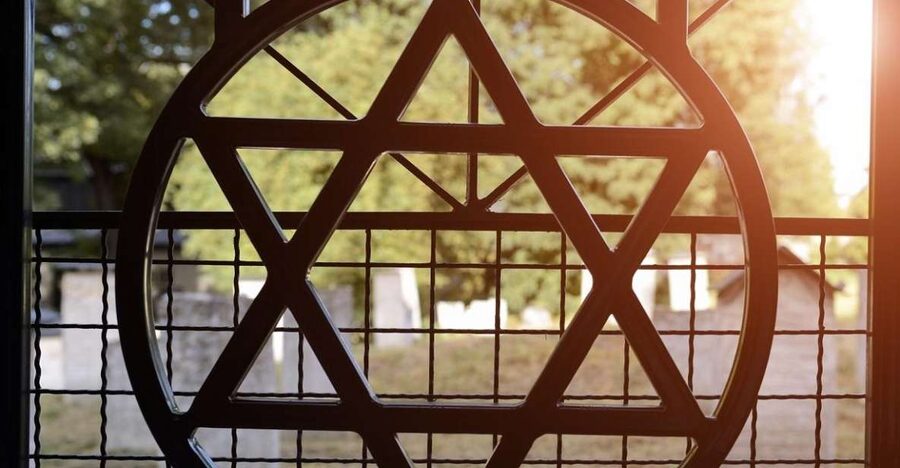
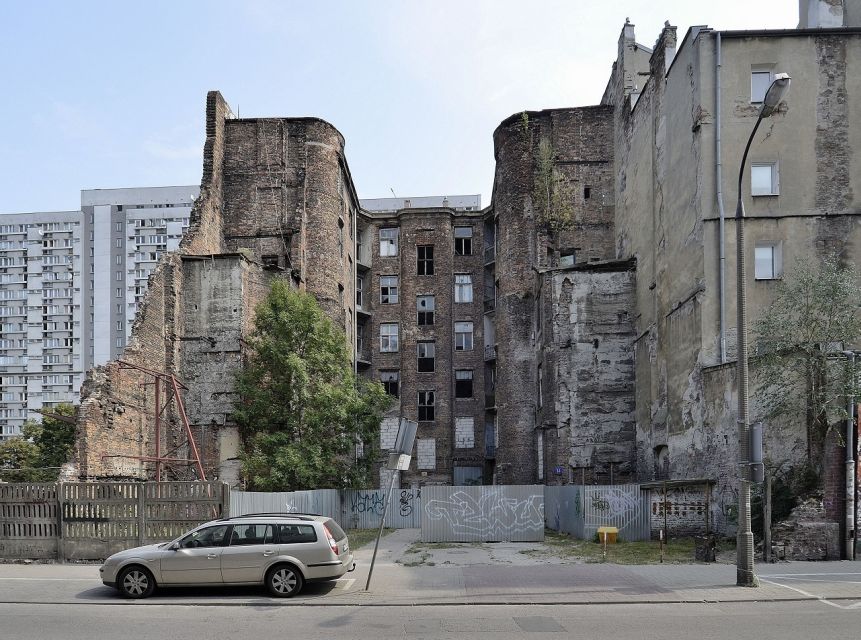
- Moranow ghetto streets and surviving boundaries: you’ll see authentic ghetto walls and old houses tied to the wartime lockdown of about 4 square kilometers.
- Nozyk Synagogue stop: you’ll visit the oldest surviving prewar synagogue in Warsaw.
- WWII context that is place-based: you’ll hear how the ghetto was created, how the Nazis’ Final Solution plan worked, and what the 1943 Uprising meant.
- Jewish Cemetery with included entry: you’ll step into an important heritage site and hear stories about spiritual and community leaders.
- Small-group comfort: up to 15 people makes it easier to follow the guide and absorb what you’re seeing.
- Saturday alternative: when the cemetery is closed, the tour shifts to All Saints Church, with related historical context.
Why This 3-Hour Warsaw Ghetto and Cemetery Tour Hits Hard
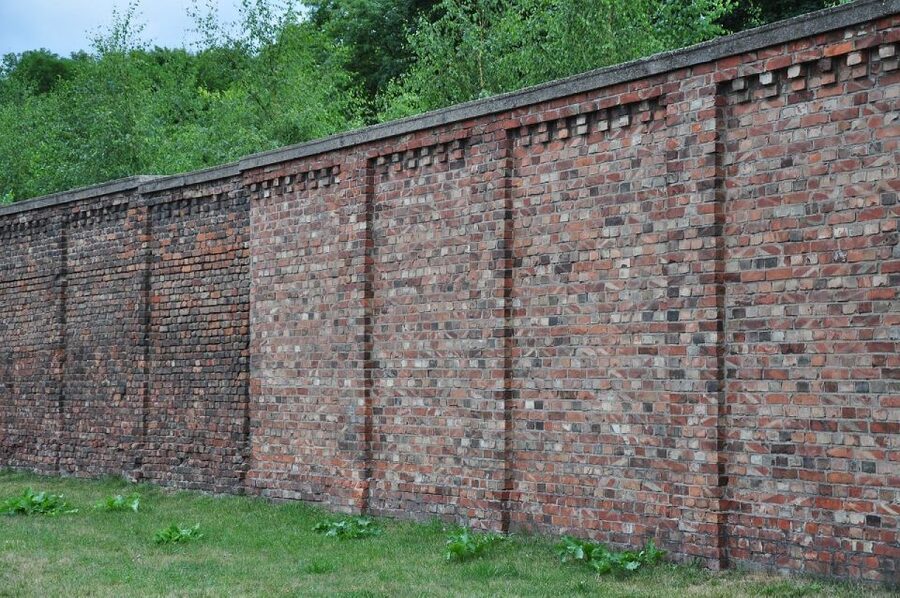
Warsaw’s Jewish Ghetto story is one of the most painful chapters of WWII. This tour is not trying to shock you for sport. It helps you understand what happened, using the places that still exist.
What makes it practical is the structure. In three hours, you move from the ghetto footprint, to synagogue remnants of earlier Jewish life, and finally to the cemetery. That order matters, because it gives you contrast, not just tragedy.
This is the kind of tour you take when you want more than surface-level facts. You want the why, the how, and the human stakes, tied to real locations in the Moranow district.
More Jewish heritage walks in Warsaw:
- Warsaw: Warsaw Ghetto Private Walking Tour with Hotel Pickup
★ 4.9 · 369 reviews - Warsaw: Jewish History Guided Walking Tour in English
★ 4.7 · 324 reviews - Private Tour: Warsaw’s Jewish Heritage by Retro Fiat
★ 5.0 · 208 reviews
Meeting In Front of InterContinental Hotel, Then Into Moranow’s Ghetto Footprint
The meeting point is simple: meet your guide in front of the InterContinental Hotel, Emilii Plater 49, 00-125 Warsaw. Do not enter the hotel. It’s only a reference point so you can find each other fast.
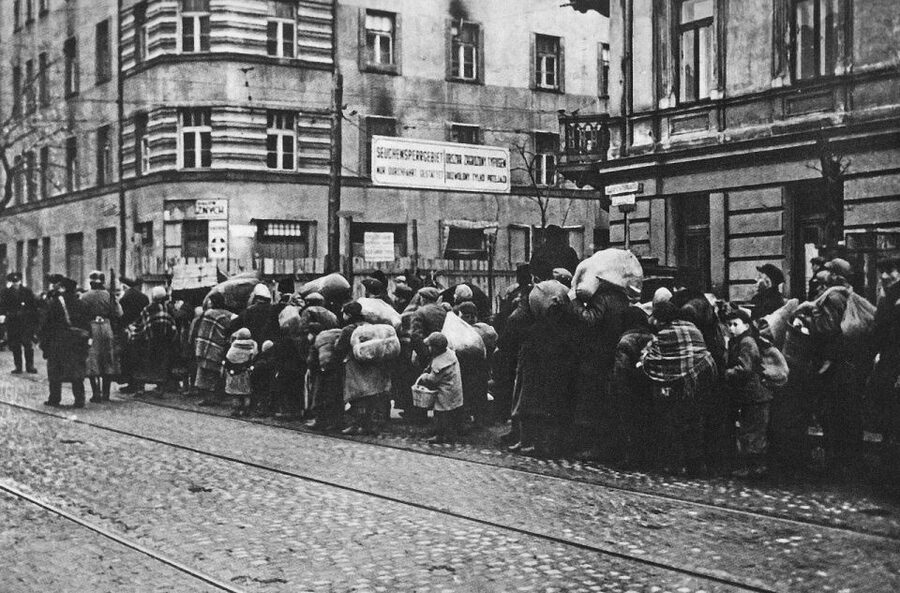
From there, your walking tour focuses on the Moranow district. During WWII, it was the location of the largest Jewish ghetto in Europe. Your guide will frame it with numbers that make the scale easier to grasp: over 400,000 Jews from Warsaw were forced into a closed area of about 4 square kilometers.
As you walk, you’ll see the remains of the ghetto walls and old houses connected to those decades. Seeing physical boundaries is powerful because it turns the idea of confinement into something you can point to.
Also, your guide will explain what life meant inside that space. The tour includes details about people dying from exhaustion, hunger, and disease, with 100,000 deaths in the ghetto mentioned as part of the historical account. You’ll also hear about the nearby Treblinka extermination camp, where more than 300,000 people were killed.
This is not meant to be swallowed in a rush. If you’re prone to scanning and moving on, slow down and let the guide’s pacing reset you. The best value here comes from listening while the scene is right in front of you.
Seeing the Nozyk Synagogue: A Reminder Before the Break
One of the tour’s strongest moments is the stop at Nozyk Synagogue. It’s described as the only surviving prewar synagogue in Warsaw, which instantly raises the importance of the visit.
Why does this matter? Because a ghetto tour can sometimes feel like the story begins only at the moment of persecution. This synagogue stop shifts you back in time, to the reality that Jewish religious and community life existed here long before the war.
When you’re standing near it, you’re not just learning what was destroyed. You’re also learning what endured, and what survived even after everything else was torn apart.
I like that the tour doesn’t treat this stop like a quick photo-op. It’s positioned inside a bigger narrative, so it has meaning beyond its architecture.
WWII, the Final Solution, and the Warsaw Ghetto Uprising in Story Form
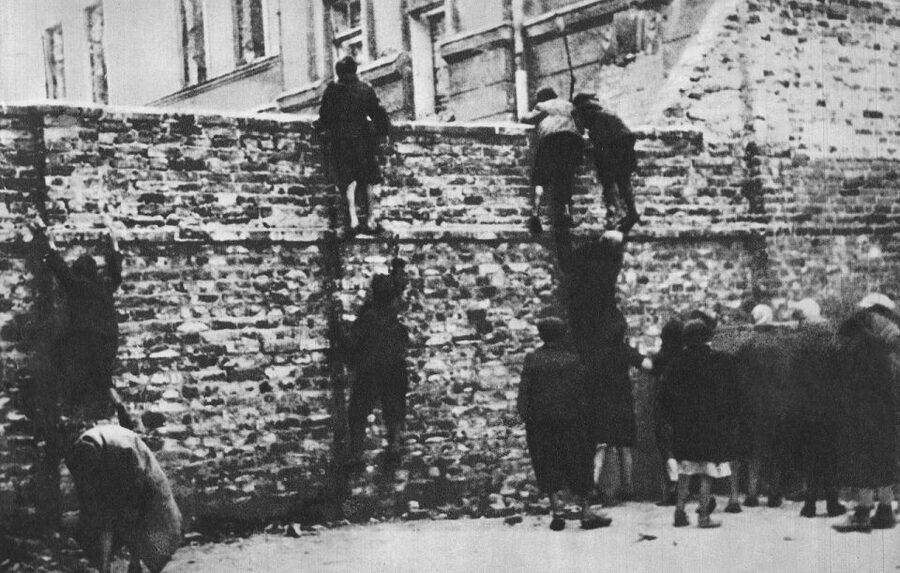
The tour is built around the history of persecution under German occupation. Your guide will explain how the ghetto was created, and how it fits into Nazi plans, including the Final Solution.
This is where a strong guide makes a big difference. A licensed historian-style guide can connect the dates and policies to what you’re seeing on the street. It turns a set of events into a chain of choices that led to catastrophe.
You’ll also focus on the Warsaw Ghetto Uprising of 1943. That part matters because it adds agency to a story that can otherwise feel like helpless waiting. Your guide will cover the heroes of the uprising, which helps you remember that resistance was part of this history too.
If you want to understand WWII in Warsaw without getting lost in abstract facts, this portion is the backbone of the experience. You get a timeline, but you also get a human focus.
Other Warsaw tours to compare
- 3-Hour Guided Cycling Tour of Warsaw
★ 4.9 · 624 reviews - Warsaw: Old Town Guided Walking Tour
★ 4.9 · 599 reviews - Half-Day Polish Food Walking Tour with Guide and Dinner
★ 4.5 · 381 reviews - From Warsaw: Guided Tour to Auschwitz-Birkenau and Krakow
★ 4.4 · 363 reviews
Jewish Cemetery Stop, and What Happens on Saturdays
The last stop is the Jewish Cemetery, with entrance tickets included. You’ll step inside and hear stories connected to Polish-Jewish spiritual leaders, political activists, honored creators of Jewish culture, and thousands of nameless victims of the ghetto.
This stop is different in tone from the streets. Outside, you can see boundaries and locations. Inside a cemetery, history feels personal in a quieter, heavier way.
A practical bonus is that the tour includes skip-the-ticket-line, so you spend less time queuing and more time with the guide. That matters because cemeteries are not the place where you want your attention scattered.
There is one major scheduling detail you should plan around. The cemetery is closed on Saturdays. On those days, instead of the cemetery you will visit All Saints Church, which is described as closely related to Jewish history, and you’ll still get fascinating stories and architecture to go with it.
So if your trip includes a Saturday, don’t assume you will miss the ending. You’ll just have a different final setting and a different type of historical connection.
Small Group Up to 15 People: Why the Pace Feels Better
The group size is capped at up to 15 participants. That small number changes the tour from an audio-guided walk into a real conversation.
In a larger crowd, guides often spend time herding people back to the group. Here, you can listen while you stay near the guide without constantly pausing your thoughts to relocate your feet.
It also makes questions more workable. If something doesn’t make sense, you can ask right there instead of saving it for later when the details blur.
The quality of the guide style is part of what makes this feel personal. English-guided tours have had guides named Anna and Ewa, both praised for being engaging and personable. That kind of delivery matters on a subject like this, because the message lands better when the person explaining it connects with you while still staying respectful and factual.
If you like tours where you can actually hear the explanations over the noise of a city, this small-group format is one of the best reasons to pick this option.
How to Prepare So You Get the Most Out of It
This tour lasts 3 hours, and it’s a walking experience with meaningful stops. You’ll want comfy shoes because you’re moving through historic streets and spending time at the synagogue and cemetery area.
Plan to arrive early enough to settle in. The tour warns that being late may prevent you from joining. That’s not a scare tactic, it’s just how time-based tours work, especially when the guide has to keep the group together.
You’ll also get important information by email the day before the tour. I suggest checking that message, then screenshotting anything that helps you find the meeting point or understand the day’s schedule.
If you’re visiting during busy season, treat this as a “show up ready” kind of experience. The better you are organized, the more mental space you’ll have for what you’re learning.
Price and Value: Is $131 Worth It?
At $131 per person for 3 hours, you are paying for more than basic sightseeing. You’re paying for a licensed guide, a small group format, and included cemetery admission.
That adds up quickly when you consider what you get:
- a live English guide
- a small group size up to 15
- ghetto and cemetery focus that demands careful explanation
- entrance tickets to the cemetery
- skip-the-ticket-line
The value here is in time and interpretation. A self-guided walk can take you to locations, but it doesn’t automatically give you the connections between ghetto life, Nazi policy, and the uprising. For this topic, you’ll usually get more meaning per minute from a guide than from your own guessing.
Could you find cheaper options? Often, yes. But this price sits in the range where you should expect a serious, licensed explanation and the included site entry. If those are your priorities, this is likely a fair spend.
Who Should Book This Tour, and Who Might Want a Different Option
This tour is a great fit if:
- you want a guided history walk focused on Warsaw’s WWII Jewish Ghetto and the cemetery
- you prefer small-group touring instead of big crowds
- you like clear narrative structure, ghetto footprint first, synagogue context next, cemetery finish
- you want an English-language guide who can explain the events in a way that stays understandable
You might want a different option if you want lots of free time for independent exploration. This tour is designed around a tight sequence of stops, not open wandering.
Also, if you are visiting on a Saturday, double-check your expectations about the cemetery. The tour still ends with a related historic site, but it won’t be the cemetery itself.
Should You Book This Warsaw Jewish Ghetto and Cemetery Tour?
If your goal is to understand the Warsaw Ghetto story in a guided, respectful way, I think you should book this. The strongest reason is the mix of place-based history and a small-group format that keeps the experience personal. You’ll see surviving sites like the ghetto wall remnants and Nozyk Synagogue, then finish with the Jewish Cemetery where the stories become grounded in people, leaders, and victims.
The main call to make is scheduling. If you’re traveling on a Saturday, you should be ready for the cemetery to be replaced by All Saints Church. If that still works for you, the tour’s value stays intact.
One last tip: come prepared to slow down. This is not a “check the boxes” tour. If you give it your full attention for the full 3 hours, you’ll walk away with a clearer understanding of how the ghetto functioned, how it ended, and what Jewish community life meant before the war.
FAQ
Where is the meeting point for the tour?
Meet your guide in front of the InterContinental Hotel, Emilii Plater 49, 00-125 Warsaw. Do not enter the hotel, it is only a meeting point.
How long is the Warsaw Jewish Ghetto and Cemetery tour?
The tour duration is 3 hours.
What group size is this tour?
It’s a small group tour with up to 15 participants.
Is the tour guide available in English?
Yes, the live tour guide is provided in English.
Does the tour skip the ticket line for the cemetery?
Yes, the tour includes skip-the-ticket-line.
Is the Jewish Cemetery included?
Yes, entrance tickets to the Jewish Cemetery are included. The cemetery is the final stop.
What happens if my tour date is on a Saturday?
The Jewish Cemetery is closed on Saturdays. On those days, the tour visits All Saints Church instead.
Is the tour wheelchair accessible?
Yes, the tour is wheelchair accessible.
What should I do the day before the tour?
Check your email the day before the tour to receive important information.
Is there a cancellation option and can I reserve without paying now?
Free cancellation is available up to 24 hours in advance for a full refund, and there is a reserve now & pay later option so you can book and pay nothing today.
Recently added in Warsaw
- World War II Warsaw Old Town, Military Cemetery Walking Tour★ 4.7 · 3 reviews
- Warsaw: Wolf’s Lair & Swieta Lipka Small-Group Tour + Lunch★ 5.0 · 3 reviews
- Warsaw Wolf’s Lair with St. Lipka and Mamerki Private Guided★ 4.2 · 3 reviews
- Warsaw Zoo Skip-the-Line Entry Ticket with Private Transport★ 4.8 · 3 reviews
- Warsaw: Vodka Tour★ 4.4 · 18 reviews
- Wilanów Palace: 2-Hour Guided Tour with Entrance Tickets★ 4.8 · 8 reviews
- Warsaw Uprising and WWII Old Town Walking Tour with Museum★ 4.7 · 15 reviews
- Warsaw: Private Vodka Tasting Night with Snacks and Pickup★ 5.0 · 7 reviews
Other Warsaw Ghetto & Jewish Heritage Tours
Warsaw Ghetto Private Walking Tour with Hotel Pickup
Read our review →
Private Tour: Warsaw’s Jewish Heritage by Retro Fiat
Read our review →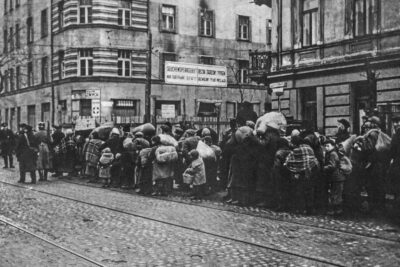
Ghetto, Jewish Cemetery & POLIN Museum Private Tour
Read our review →

Browse the lists this tour appears in