
Reviewed · OLD TOWN WALKING TOURS
Private Warsaw Old Town & Royal Route Walking Tour – Bestseller
Warsaw’s Old Town and Royal Route tell a story in layers: music, power, love rituals, and the city’s stubborn rebuilding after World War II. This private walk is designed to move at a good pace, so you cover the highlights without feeling like you are sprinting. I like that the guide turns familiar sights into real-world context, not just facts on a plaque.
Two things I really like: Chopin’s heart story (it is oddly dramatic and human) and the way you connect street names and monuments to why Warsaw became what it is today. One thing to consider: the tour is compact, so if you prefer long sits, lots of museum time, or slow photo stops, you may want to pair it with extra free time afterward.
Key things you should look forward to
- Chopin’s heart at Holy Cross Church, plus the practical story of how it made it back to Warsaw
- Krakowskie Przedmieście, with explanations for Warsaw’s capital role, coffee traditions, and why the street name means what it means
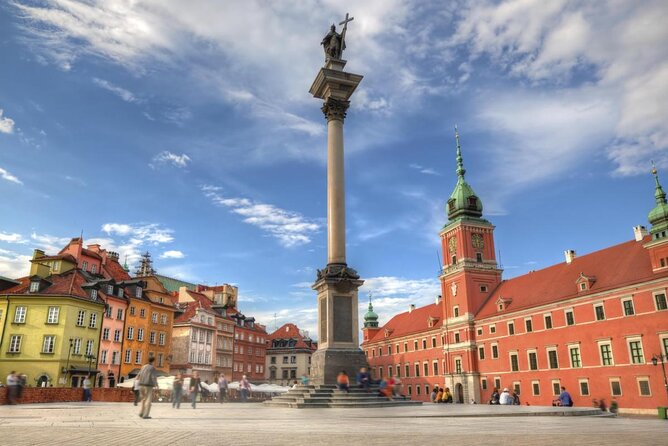
- Pilsudski Square and the skyline view, where the walking route opens up to the larger city
- World War II rebuilding focus, including why major buildings survived, were targeted, and took decades to restore
- Old Town character stops, like Piwna Street (the beer street), the Pigeon Lady, and the mermaid details
- Romance with a warning label, since even Gnojna Góra and its padlock tradition come with history
A brisk 2.5-hour plan that hits the Warsaw story
This is a private walking tour in English that runs about 2 hours 30 minutes, and it stays focused on the Royal Route plus Old Town. With up to 15 people per group, it feels organized, but still personal enough for questions. It is also one of those tours where timing matters, because you get multiple “chapters” of Warsaw in one go.
What makes the experience especially useful is the flow. You start with a music connection tied to Poland’s identity, then you walk a key historic avenue, reach a major square for the city view, and then you work through the Old Town with heavy World War II context. By the end, you are not just looking at pretty streets, you understand why the city looks the way it does.
A small heads-up: because the group stays moving, plan for a steady walking rhythm. Wear shoes you trust, and bring water. If you love stopping for long photos, you might get less time than you expect at each landmark, but the guide’s explanations help you make those quick moments count.
More Old Town walking tours in Warsaw:
- Warsaw: Old Town Highlights Walking Tour in English
★ 4.7 · 1,516 reviews - Warsaw: Old Town Guided Walking Tour
★ 4.9 · 599 reviews - Old Town Warsaw Walking Tour
★ 4.5 · 333 reviews
Meeting at Copernicus and ending at the Warsaw mermaid
The tour starts at the Nicolaus Copernicus Monument on Krakowskie Przedmieście, and it finishes at the Warsaw Mermaid Statue in Rynek Starego Miasta. That pairing is smart because it bookends the Royal Route’s grand approach with Old Town’s classic focal point.
Pickup is offered, and you can meet the guide at your hotel reception. If you cannot or do not want pickup, you can also start at the monument right away. One practical bonus: the tour uses a mobile ticket, so you are not juggling paper while walking.
Why this matters for you: ending at the mermaid statue usually helps you keep exploring right after the tour, since Rynek Starego Miasta is an obvious place to wander next. Also, if you are working with a tight schedule, having a clear start and finish helps you plan transport and dinner without stress.
Holy Cross Church and Chopin’s heart, the story you will remember
Holy Cross Church is where the tour goes straight for emotion. The guide connects Warsaw to Fryderyk Chopin, noting that Chopin became famous but died abroad, and that he asked his sister to bring his heart back to Warsaw. Then you hear the story of how that return happened, which is exactly the kind of detail that makes a stop feel alive.
This stop is also great because it blends art and identity in a simple way. Chopin is not just a name, you learn why Poland treats his heart almost like a national promise. And since the admission ticket here is free, you can focus on listening rather than budgeting time for paid entry.
What could be a drawback: church visits can be sensitive in terms of noise and behavior, and you might have to follow the guide’s pace. Plan to be respectful with your phone and keep your questions thoughtful, so you get the most out of the story.
Krakowskie Przedmieście: coffee, capital status, and why the street name matters
Krakowskie Przedmieście is one of Warsaw’s most representative streets, and this stop is built around “how and why,” not just what it looks like. You get explanations for why Warsaw became the capital of Poland, and you also learn where the oldest coffee place in Warsaw is and how Polish people connect to European coffee history.
Then comes another fun angle: why this street is named Krakowskie Przedmieście, meaning the suburbs of Kraków. It sounds like a trivia fact until you realize it is a clue about cultural connections, migration of ideas, and how cities relate to each other.
I like this part because it helps you decode the city while you are still walking. Street names and famous corners stop feeling random. Instead, you start noticing patterns, like how Warsaw borrowed prestige, traded influences, and built its identity through connections with other Polish places and wider Europe.
A consideration: since this stretch is a major pedestrian route, it can feel busy at peak times. If you want quieter photos, you may need to accept that your best shots will be quick and guided.
More walking tours in Warsaw:
- Half-Day Polish Food Walking Tour with Guide and Dinner
★ 4.5 · 381 reviews - Warsaw: Warsaw Ghetto Private Walking Tour with Hotel Pickup
★ 4.9 · 369 reviews - Warsaw: Jewish History Guided Walking Tour in English
★ 4.7 · 324 reviews - World War 2 in Warsaw walking tour in English
★ 4.7 · 237 reviews
Pilsudski Square and the view that makes everything click
At Plac Marszalka Jozefa Pilsudskiego, the tour shifts from street-level detail to the larger city picture. You step into the kind of square where the skyline becomes part of the lesson, and the guide helps you read Warsaw’s layout from a more strategic angle.
This is also a nice breath point in the tour. It is short, around 10 minutes, but it gives you a sense of orientation. After a walk like this, orientation is underrated. It makes the rest of your independent time in Warsaw easier, because you understand what is behind the view.
The Presidential Palace spared, the Royal Castle delayed explosion, and rebuilding that took decades
One of the most compelling parts of the Royal Route story is the way survival and destruction happened unevenly. You hear how after World War II, 70 percent of Warsaw was destroyed, but the Presidential Palace of Poland was spared. That contrast is more than drama, it is a lesson in how history can be random but still shape a city’s future.
Then the tour turns to a darker thread about the Royal Castle (Zamek Królewski). You hear that Adolf Hitler ordered his soldiers to blow up the castle in 1939, with drilled holes for dynamite, but the explosives were filled much later in 1944. The guide also explains why it took so long and why rebuilding the Royal Castle took additional decades, including mention of a 40-year gap to restoration.
This is where you get the benefit of a good storyteller. Without the explanation, the timelines can sound confusing or unbelievable. With the explanation, you see how decisions, logistics, and shifting control can stretch from one year to the next.
A possible drawback: this part can feel heavy, especially if you are not expecting a deeper World War II focus. If you want a lighter tour, this one may still be fine, but mentally plan for serious history along the way.
The main church built twice, a lesson in continuity
After the castle story, the tour moves to a major church stop described as the most important church of Warsaw, built twice. The point is not just that it was rebuilt, but that the guide explains why that rebuilding happened and what it means for Warsaw’s identity.
Even without naming every detail, you can feel the theme: Warsaw’s most meaningful landmarks were not simply repaired. They were re-created in a way that preserved continuity for people who had lost their city.
If you enjoy understanding how architecture carries memory, this stop lands well. If you prefer to focus only on outward appearance, you may feel that this is more listening time than sightseeing time. For me, that trade-off is worth it, because it changes how you see the surrounding buildings afterward.
Tomb of the Unknown Soldier and the quiet power of remembrance
The Tomb of the Unknown Soldier is short on time but heavy in impact. You see the monument and you hear the history of why it exists and what it represents.
The value here is simple: even if you have seen similar memorials elsewhere, this one fits Warsaw’s story. It is another piece of the city’s identity, built from how people wanted to remember, honor, and move forward.
Kanonia, the small Amsterdam, and a cemetery that is gone for a reason
Kanonia is currently called the small Amsterdam by locals, and you also hear about a wishing bell at Kanonia Square. The tour then adds a twist: for hundreds of years there was a cemetery located here, and the guide explains what happened to it.
This stop is a good reminder that places with charming nicknames often have real layers underneath. The “Amsterdam” vibe comes from canal-like atmosphere and city texture, but the history comes from what used to sit there and how Warsaw adapted the space over time.
Consideration: since this is an outdoor stop, weather can affect comfort. Plan a light layer, especially if you do the tour later in the day or during cooler months.
Rynek Starego Miasta: the market square before and after the war
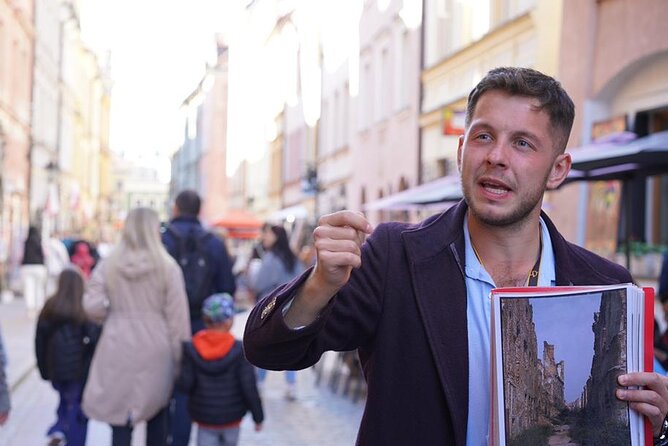
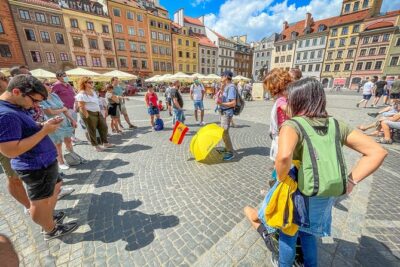
At Rynek Starego Miasta, the Market Square is where the tour slows just enough to show you what changed. The guide shares photos of the place before and after World War II and talks about the rebuilding process.
I like this stop because it gives you a visual anchor. You are not only hearing that the city suffered. You can connect the stories to actual shapes, layouts, and rebuilding choices. Even if you already know about Warsaw’s destruction, this gives you a clearer emotional map of what that meant in daily life.
Short note: market squares are meant to be walked through, not stared at forever. If you are a quick observer, this stop will feel perfectly paced. If you want more time in the square for food or long photos, you will likely want to extend your visit after the tour ends.
Barbakan and Gnojna Góra: walls and romance with history attached
The tour includes the Barbakan, described as part of Warsaw’s city walls but originally built with no military importance. The guide tells you who built it, why it was built, and who used it. That single detail can shift how you see it, because you start treating it like a civic or symbolic structure rather than a purely defensive one.
Then you move to Gnojna Góra, a romantic hill where people come to lock padlocks in a love tradition. The key is that the guide also explains the history behind the place, which makes your view of the scenery more thoughtful than just sentimental.
This is one of the tour’s best “balance” moments. Warsaw is not only postcard beauty, it is also memory and meaning. You get both in the same walk.
Old Town treasures: Piwna Street, the Pigeon Lady, and Warsaw’s mermaid
The Old Town portion is where the tour feels most like a wandering story. You hear about Piwna Street, known as the beer street, and you get the background behind a few classic Old Town character points, including the Pigeon Lady and the mermaid of Warsaw.
The mermaid detail is especially practical because the tour ends at the Warsaw Mermaid Statue in Rynek Starego Miasta. That means you leave with a landmark you can find again, whether you are meeting someone, taking photos, or continuing your self-guided walk.
You also hear about World War II in Warsaw as part of the Old Town experience, so the beauty does not feel separate from the past. It is not just pretty facades. It is a city that rebuilt itself with intention.
If you are the type who likes to connect legends and monuments to real streets, this section pays off. And if you are just tired from travel, it is still enjoyable because the guide’s storytelling keeps you engaged without needing you to read anything.
Value, pacing, and who this tour suits best
At $258.88 per group (up to 15), the cost works out very well if you are traveling with others or if you are booking when the group can fill. Even without calculating exact per-person math, the key value is that you get a structured walk for a fixed group price, not a per-person surcharge for every stop.
The timing also helps. At about 2.5 hours, this tour fits into a half-day plan. It is long enough to make connections, short enough not to ruin your evening. And since it is offered in English, you can get the full explanation without decoding on your own.
This is the kind of tour that fits:
- First-timers who want Old Town and the Royal Route in one sweep
- History-minded travelers who prefer clear stories over long museum time
- Couples and small groups who want a private feel without going overboard on logistics
It may not be ideal if you hate walking, want lots of indoor time, or plan to spend your trip in the most hands-on way possible at museums and archives.
Should you book this private Old Town and Royal Route tour?
I would book it if you want Warsaw that actually makes sense. The combination of Chopin’s heart, major Royal Route history, and Old Town landmarks means you get a well-rounded introduction that is more than a photo walk.
I would hesitate only if you strongly prefer free-form wandering without a guided pace, or if you want the day to be light on World War II context. Otherwise, this one is a strong choice, especially because it is private, English-speaking, and built for efficient storytelling across the city’s most meaningful sights.
FAQ
How long is the private Warsaw Old Town and Royal Route walking tour?
It runs about 2 hours 30 minutes.
What is the group size for this tour?
It is a private tour/activity, with a group size of up to 15.
Does the tour offer pickup, and where is the meeting point?
Pickup is offered, with the guide meeting you at your hotel reception. If you do not use pickup, the tour starts at the Nicolaus Copernicus Monument on Krakowskie Przedmieście. It ends at the Warsaw Mermaid Statue in Rynek Starego Miasta.
Is the tour in English?
Yes, it is offered in English.
What is included with admission fees?
The listed admission ticket is free for the stops described, including Holy Cross Church and the Old Town area stops.
Can I cancel and get a full refund?
Yes. You can cancel up to 24 hours in advance for a full refund, and cancellations less than 24 hours before the start time are not refunded.
Recently added in Warsaw
- Warsaw: Wolf’s Lair & Swieta Lipka Small-Group Tour + Lunch★ 5.0 · 3 reviews
- World War II Warsaw Old Town, Military Cemetery Walking Tour★ 4.7 · 3 reviews
- Warsaw Wolf’s Lair with St. Lipka and Mamerki Private Guided★ 4.2 · 3 reviews
- Warsaw Zoo Skip-the-Line Entry Ticket with Private Transport★ 4.8 · 3 reviews
- Warsaw: Vodka Tour★ 4.4 · 18 reviews
- Wilanów Palace: 2-Hour Guided Tour with Entrance Tickets★ 4.8 · 8 reviews
- Warsaw Uprising and WWII Old Town Walking Tour with Museum★ 4.7 · 15 reviews
- Warsaw: Private Vodka Tasting Night with Snacks and Pickup★ 5.0 · 7 reviews
Old Town Walking Tours, compared.

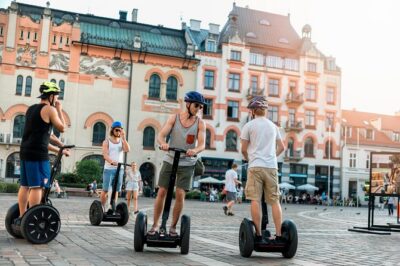
Warsaw Old Town 1.5-Hour or Full 3-Hour Segway Tour
Read our review →
Segway Tour Warsaw: Old Town Tour – 1,5-Hour of Magic!
Read our review →

Taste of Poland, Old Town food tour and guided walk – 12 tastings
Read our review →Browse the lists this tour appears in