Reviewed · CITY TOURS
Warsaw: Behind the Scenes City Tour with Hotel Pickup
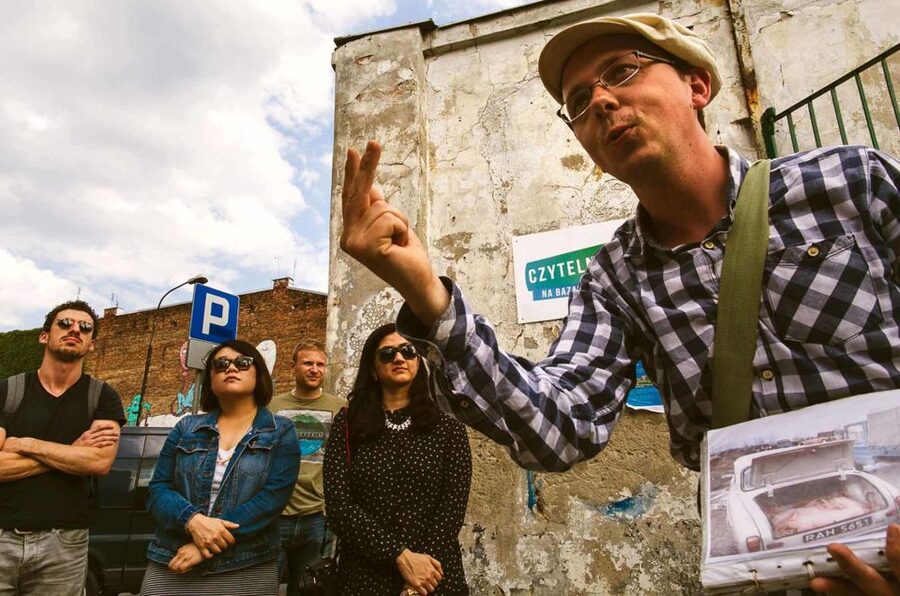
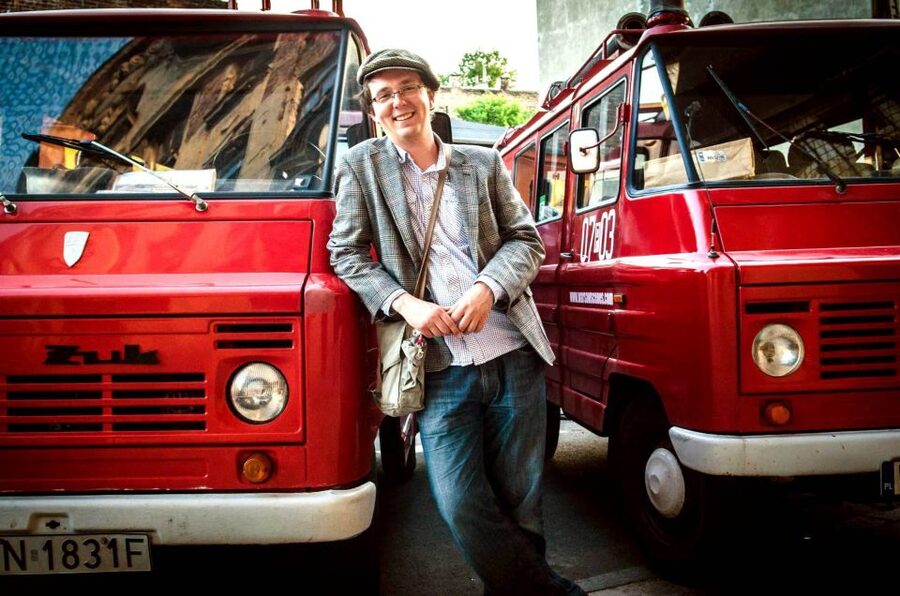
What makes this Warsaw tour fun is that it is not just another photo stop crawl. You get around in a classic Żuk minibus, and the stories stay tied to real neighborhoods you would likely skip on your own. I love the way the route pushes past the usual sights, from Muranów and reconstruction planning to the districts tied to the Jewish Ghetto and later uprisings. I also like the tour style, where guides such as Konrad and Marcin bring history with clarity and a bit of humor in fluent English.
One possible drawback: these vintage minibuses do not have air conditioning, and some do not have seat belts. That means you will want a layer, plan for short walks at each stop, and be ready for a slightly bumpy, old-car ride.
Key highlights you will feel right away
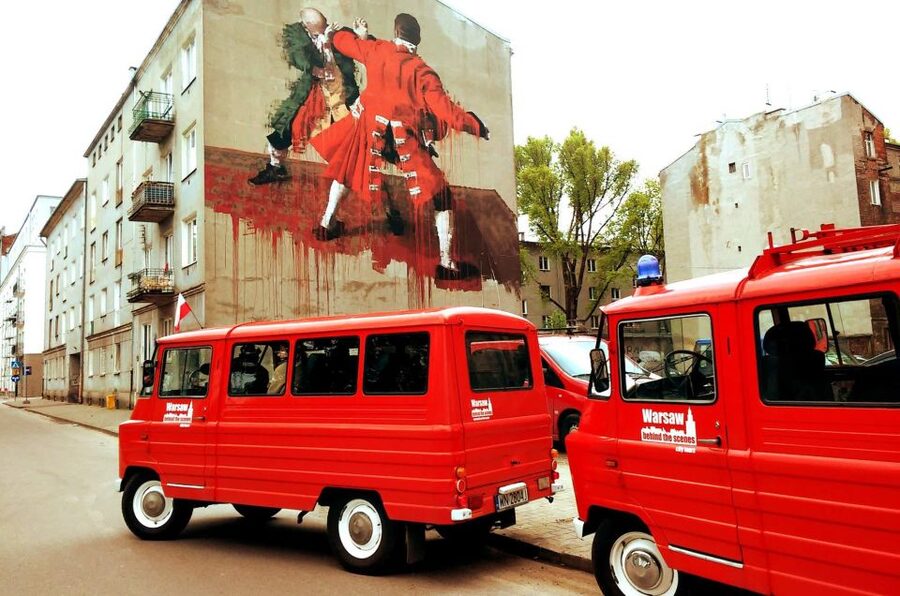
- Żuk minibus rides that turn transit into part of the show
- Off-the-main-drag districts tied to the Jewish Ghetto, uprisings, and reconstruction
- Praga on the east bank, including its surviving old-street feel and modern creative scene
- A guided time line from pre-war atmosphere to post-1989 reinvention
- Small groups (up to 8 passengers per minibus) with a guide who can actually answer questions
Why the Żuk minibus makes Warsaw hit harder than a typical loop
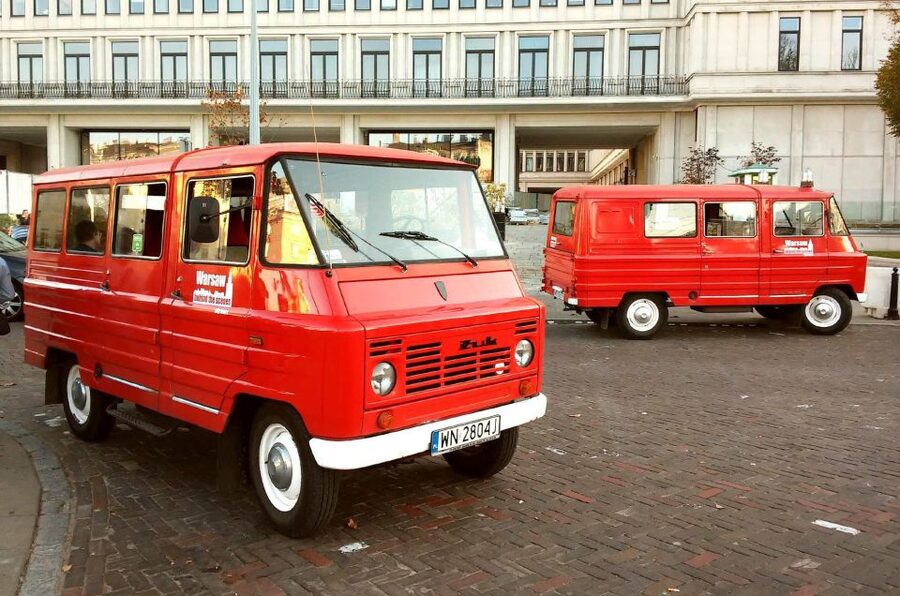
Warsaw’s story is not tidy. It is layers on layers, old streets under new plans, and whole eras compressed into a few corners. A normal bus tour can flatten that. A retro Żuk does the opposite, because you feel the period as you move, not just when you stop.
The vehicle matters more than you might think. When you ride an iconic communist-era minibus, your brain starts paying attention to details: how neighborhoods were shaped, where major rebuilding happened, and why some parts of the city feel older than the maps suggest. The ride also helps you connect the dots faster between big themes, like occupation, Soviet planning, and the city’s post-1989 growth.
A practical plus: because you are in a small group, you are not trapped listening to a monologue from the back row. You can ask about what you just saw, and if you are curious about how specific architecture fits a specific decade, you can usually get a straight answer. Reviews repeatedly mention that the guides keep things engaging, with humor and a conversational approach, not lecture mode.
Other Warsaw tours to compare
- Warsaw: City Sightseeing Hop-On Hop-Off Bus Tour
★ 3.6 · 1,415 reviews - Private Tour: Warsaw City Sightseeing by Retro Fiat
★ 5.0 · 562 reviews - Warsaw: Afternoon Public City Tour with Pickup and Drop-off
★ 4.4 · 421 reviews
Pickup, timing, and what 3 hours actually covers
This is a 3-hour small-group tour with hotel pickup and drop-off from centrally located hotels, within about 1 kilometer of the city centre. That timing is tight in the best way. In three hours, you are getting a guided time line plus multiple neighborhood chapters, without losing half your day to transit.
Each minibus can take up to 8 passengers, and the operator runs a fleet of minibuses (up to five). The point for you is flexibility. Even if the group is small, the guide can still keep the pacing moving, and you are not stuck waiting around for a long chain of people to board.
Still, there are a couple things to plan for:
- The vehicles are mainly for transfers, with walking segments at each stop
- Because the minibuses are vintage, you should expect temperature changes (heating is available in winter, but there is no air conditioning)
If you like history, architecture, and city design, this format works well. If you want a slow wander with zero walking and maximum time in one place, you may feel a bit rushed. But that rush is part of the value, you get the big picture fast, then you can choose where to go deeper on your own.
The pre-war to WWII part: why the Jewish Ghetto remnants matter
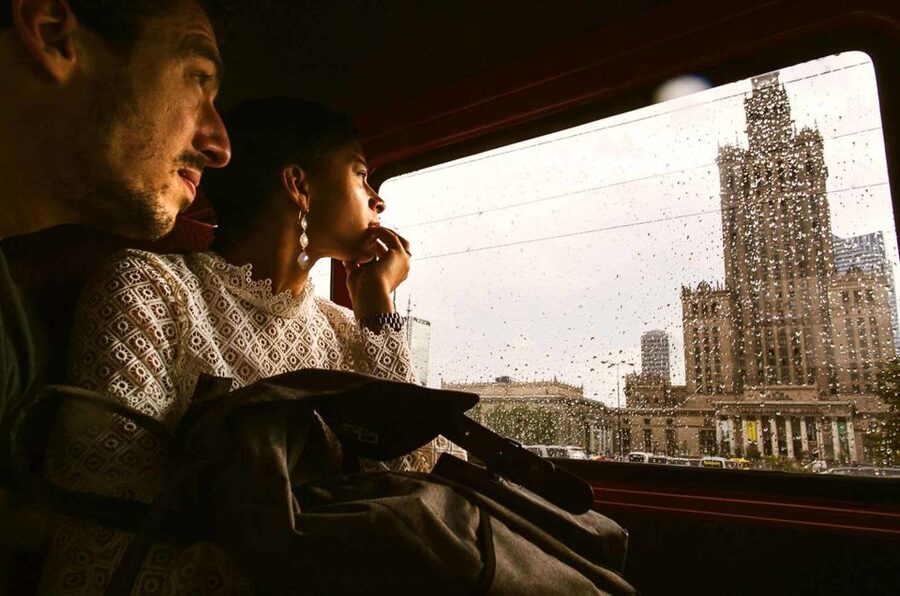
The tour begins with an overview that sets the scene, then moves into the districts where Warsaw’s most dramatic chapters played out. One of the standout themes is how the city remembers the Jewish Ghetto period, including remnants of the Jewish Ghetto and sites tied to later resistance.
This kind of stop is not about checking a box. It gives you context for how Warsaw’s physical layout and monuments connect to human stories. You will likely notice that the city does not just display history, it absorbs it. Buildings, street alignments, and neighborhood boundaries help explain why certain events unfolded the way they did.
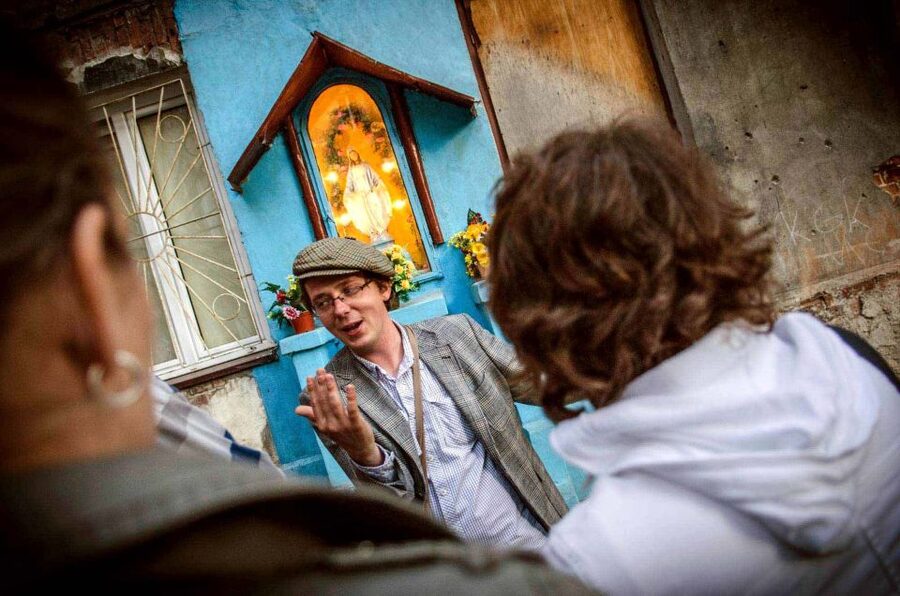
A good guide makes this easier to process. Past experiences with guides such as Konrad, Marcin, and Marius highlight that strong English and storytelling are central here. You are not just hearing dates, you are learning how people lived, what changed, and how Warsaw carried those scars forward.
Because this portion deals with heavy subject matter, it helps to keep your pace gentle. Wear comfortable shoes, and if anything hits hard, that is normal. You are not expected to move on instantly. The best tours make room for your questions while still staying on schedule.
Uprisings and resistance sites: connecting the “why” to the “where”
After the Ghetto era portion, the tour continues to places connected with both uprisings. That wording matters. You are meant to see how resistance changed over time, and how different waves of conflict shaped different parts of the city.
What I like about this segment is the attention to cause and effect. The guide ties what you see on the ground to what was happening historically, so you understand why a street, a district, or a building is significant beyond its appearance.
Where some tours fail is in treating uprisings as separate movie scenes. Here, you get a thread. Even when you are on the move in the Żuk, the guide is building a timeline in your head, so when you step out for a walking moment, you know what question you are trying to answer: what changed, and what stayed?
If you are the type of traveler who wants more than big monuments, you will likely enjoy this approach. It turns Warsaw from a list of landmarks into a set of understandable decisions made under impossible pressure.
Elsewhere in Warsaw:
- Warsaw: Chopin Concert in the Old Town
★ 4.8 · 2,287 reviews - Warsaw: Traditional Galar Cruise on The Vistula River
★ 4.6 · 1,640 reviews - Warsaw: Old Town Highlights Walking Tour in English
★ 4.7 · 1,516 reviews - Warsaw Concert: Chopin – Painted by Candlelights with Wine
★ 4.8 · 1,442 reviews
Muranów and reconstruction planning you can still see today
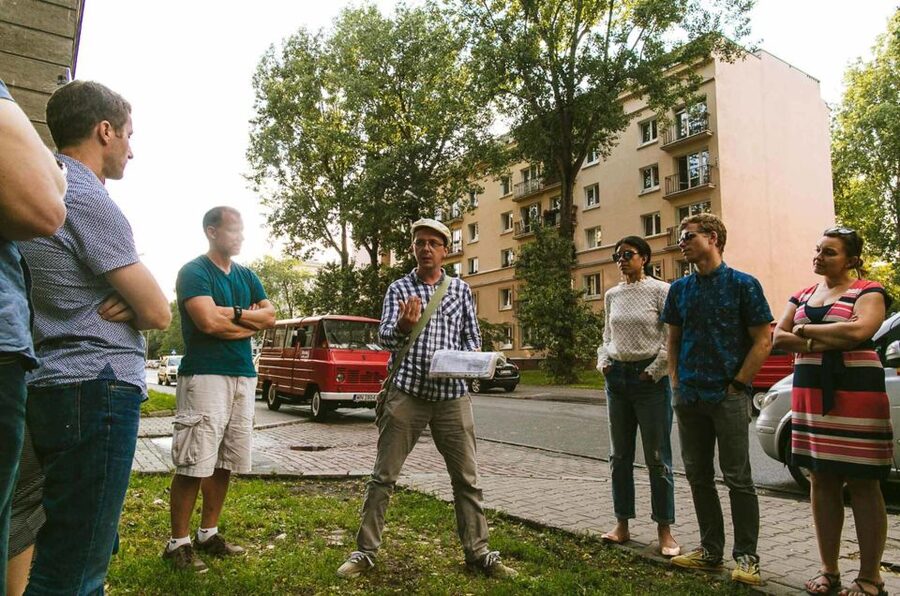
One of the most practical reasons to book a tour like this is that Warsaw’s architecture is basically a history book. Under post-war planners, the city was rebuilt from ruins and reshaped with Soviet ideology in mind. The tour includes a look at post-war reconstruction of Muranów, plus explanations of how those planning choices still affect the cityscape.
Muranów is valuable because it is not just “rebuilt.” It is rebuilt with intent, and that intent shows up in the scale, layout, and tone of the area. A good guide helps you read those choices, so you can stand in front of buildings and understand what period they belong to and what priorities shaped them.
What you can take away from this part is a better eye for Warsaw. After you see reconstruction strategies explained, you will start noticing:
- why some streets feel engineered for movement and scale
- how certain neighborhood blocks reflect ideology or function
- how rebuilding did and did not erase earlier layers
Also, this segment is where you often learn the most “new-to-you” facts. Reviews consistently praise guides for packing in information without turning it into a cram session, which is exactly what you want when the subject is complex.
Crossing to Praga: old Warsaw charm with a modern creative edge
Then you cross the Vistula River to the Praga district. This is where the tour often feels like a breath of fresh air, not because the past disappears, but because the present is visibly alive.
Praga is described as a district that survived the war almost untouched and still carries the charm of old Warsaw. Even better, it is not frozen in time. The tour frames Praga as a creative hub with murals, workshops, and original architecture. That mix matters, because it shows you how a place can hold history without becoming a museum only.
What I like for your experience: you get to see contrast. One side of the river helps you understand devastation and rebuilding pressure. Praga helps you understand what resilience can look like when it has room to develop.
Praga is also a good reminder that Warsaw is not just about survival. It is about adaptation, work, and community. Walking segments here help, because street-level views tell a different story than a vehicle window.
One consideration: because the minibuses lack air conditioning and the ride includes short walking moments, plan for weather. In summer, bring water. In colder months, the heating helps, but you still want proper shoes for uneven sidewalks.
Modern Warsaw after 1989: growth with context
The tour ends with a look at modern Warsaw and how the city transformed after 1989. This is not a generic “now it is a modern capital” pitch. You get explanations tied to earlier planning decisions and to the physical city you just walked through.
Why this ending is useful: it gives you a reason to care about the first two thirds of the tour. If you do not connect the past to the present, Warsaw can feel like a sad history lesson with pretty architecture on the side. With the tour’s time line, you understand how changes in politics and society translated into neighborhoods, business energy, and cultural revival.
This is also where guides often show their human side. Reviews mention guides who adapted to the group, made space for individual interests, and even catered to different needs. If you ask something like how certain areas developed after the fall of communism, you are more likely to get a thoughtful answer here than you would on a standard checklist tour.
If you are short on time in Warsaw, this ending helps you decide where to return later. You leave with neighborhoods in mind, not just facts.
Price and value: what $129 buys you in real terms
At $129 per person for a 3-hour guided experience, the price only feels fair if the tour truly saves you time and gives you access to stories you cannot easily piece together on your own.
Here is what you are paying for in concrete terms:
- A guide who connects history to street-level details in English
- Hotel pickup and drop-off from centrally located hotels (within 1 kilometer of the city centre)
- A small-group ride (up to 8 passengers per minibus), which makes questions possible
- Transport in a retro Żuk minibus, plus transfer time between multiple neighborhood chapters
- Walking segments that keep the story grounded
You can find cheaper group tours in many cities. But Warsaw’s “behind the scenes” angle needs both time and a guide who can explain the built environment, not just where to stand for photos. The very high rating score (4.9 out of 5 from 57 reviews) aligns with what people loved: the guides’ passion, humor, and strong command of English, plus the feeling that you saw parts of Warsaw you would not find yourself.
If you are traveling with kids, it can also be a decent use of limited time. The tour can be booked for children over 150 cm (4 ft 9 in). For kids under 150 cm, boosters are mandatory under Polish law, so check availability in advance.
Who should book this, and who might want a different plan
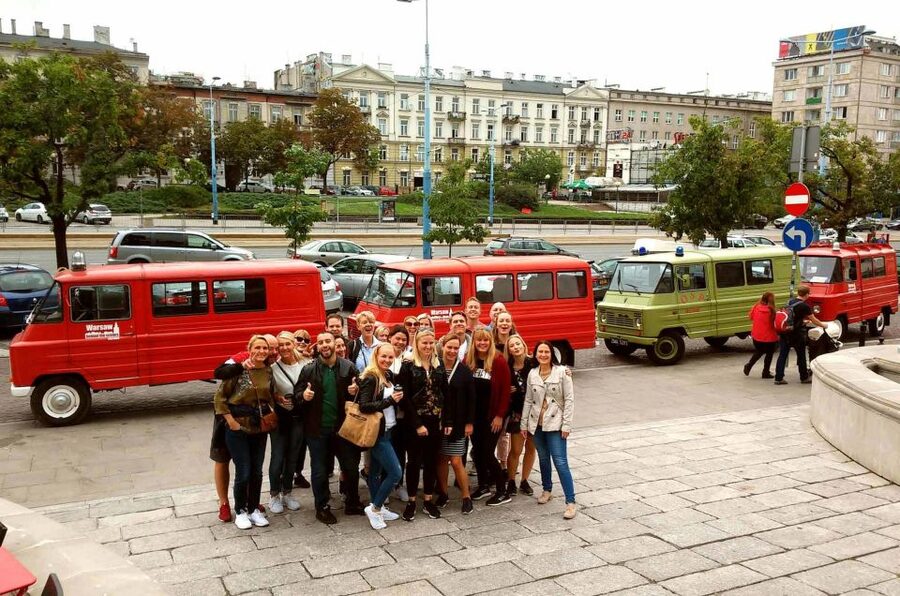
This tour fits best if you:
- want a guided time line from pre-war through WWII, communism, and post-1989 change
- like architecture and city planning explanations, not only monuments
- enjoy history told with clarity and a bit of humor
- prefer a small group where you can actually ask questions
It may be less ideal if you:
- need wheelchair accessibility (it is not suitable for wheelchair users)
- travel with pets or large bags (pets are not allowed, and luggage or large bags are not allowed)
- get uncomfortable in older vehicles without air conditioning
- want a long stop in one place, this is a moving, multi-district tour
Should you book the Warsaw Behind the Scenes City Tour with Hotel Pickup?
If you want to understand Warsaw as a city built from many eras at once, this is an excellent way to get your bearings quickly. The Żuk minibus is a fun hook, but the real strength is that the guide ties history to specific districts, including the Ghetto remnants, uprising sites, Muranów reconstruction, and Praga’s old-meets-new streets.
Book it if you can handle short walks, a vintage car ride, and the emotional weight of WWII and resistance topics. Pass if you need full accessibility or you are not comfortable with rides that may not have seat belts and can feel warm in summer. For most first-time visitors who care about the city behind the postcards, I think this tour is worth your time and money.
FAQ
How long is the Warsaw behind-the-scenes tour?
The tour lasts 3 hours.
What vehicle do you ride in?
You ride in a retro Żuk minibus.
Is hotel pickup included?
Yes. Pickup and drop-off are included from your accommodation if it is within 1 kilometer of the city centre.
How big is the group?
Each minibus accommodates up to 8 passengers.
Does the tour walk at the stops?
Yes. The vehicles are used primarily for transfers, with walking segments at each stop.
Is the tour wheelchair accessible?
No. It is not suitable for wheelchair users.
Are pets or luggage allowed?
Pets are not allowed, and luggage or large bags are not allowed.
Is there air conditioning in the minibus?
No. The vintage minibuses are not equipped with air conditioning, though they do have heating for winter.
Are seat belts available?
Some minibuses do not have seat belts. This is permitted for historic vehicles.
Can children join the tour?
Adults and children over 150 cm (4 ft 9 in) can book. For children under 150 cm, you must contact the operator in advance to check availability of mandatory seat boosters.
Recently added in Warsaw
- Warsaw: Wolf’s Lair & Swieta Lipka Small-Group Tour + Lunch★ 5.0 · 3 reviews
- World War II Warsaw Old Town, Military Cemetery Walking Tour★ 4.7 · 3 reviews
- Warsaw Wolf’s Lair with St. Lipka and Mamerki Private Guided★ 4.2 · 3 reviews
- Warsaw Zoo Skip-the-Line Entry Ticket with Private Transport★ 4.8 · 3 reviews
- Warsaw: Vodka Tour★ 4.4 · 18 reviews
- Wilanów Palace: 2-Hour Guided Tour with Entrance Tickets★ 4.8 · 8 reviews
- Warsaw Uprising and WWII Old Town Walking Tour with Museum★ 4.7 · 15 reviews
- Warsaw: Private Vodka Tasting Night with Snacks and Pickup★ 5.0 · 7 reviews
City Tours, compared.
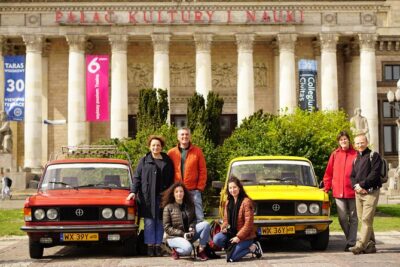
Private Tour: Warsaw City Sightseeing by Retro Fiat
Read our review →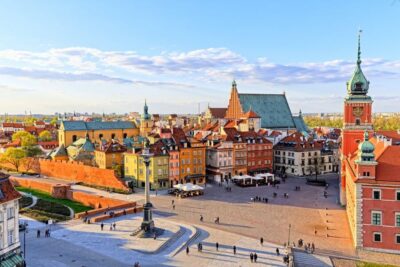
Afternoon Public City Tour with Pickup and Drop-off
Read our review →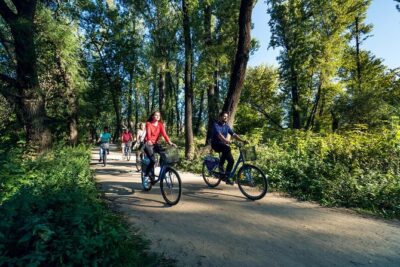
Half-Day Warsaw City Sightseeing Bike Tour for Small Group
Read our review →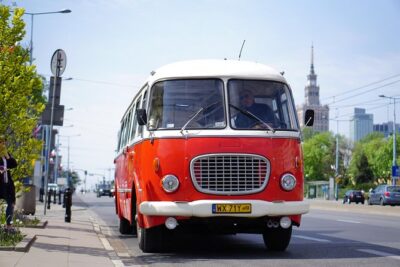
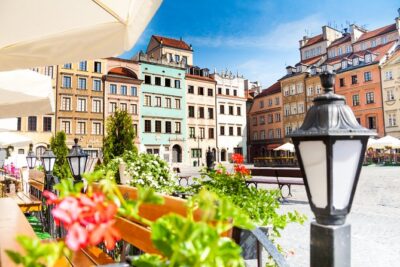
Warsaw Morning, Guided, Panoramic View, public city tour with hotel pick up
Read our review →